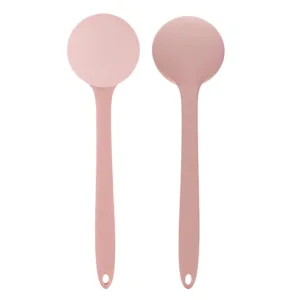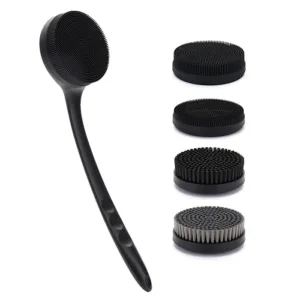

The silicone scalp brushes have widespread application in the personal care industry, hair salons, and in the beauty product collections. The flexibility of bristles and ease of handling make silicone scalp brushes a preferred accessory for shampooing, massage and regular hair care. With the increasing demand for silicone hair care products, quality has emerged as an important factor for beauty companies, wholesalers, distributors and private label marketers.
However, there are some silicone scalp brushes that do not possess the required quality standards. Issues like surface delamination, deformation of bristles, odour and cracking may adversely impact on the visual quality, performance, customer satisfaction and brand reputation. For B2B customers, these issues could further result in consumer complaints, product returns and associated quality costs.
There is an underlying relationship between the quality issues and various factors including raw material selection, mold design, vulcanization process, manufacturing conditions and post-manufacturing inspection.
As a silicone product manufacturer, Beaut-Lohas focuses on silicone beauty and personal care product development, including silicone scalp massagers and shampoo brushes. This guide explains four common silicone scalp brush quality issues, their potential causes, and practical manufacturing solutions that can help reduce quality risks in OEM, ODM, and wholesale projects.
1. Importance of Silicone Scalp Brush Quality to B2B Buyers
While a silicone scalp brush might seem to be just another personal care product, there are certain manufacturing aspects that determine the performance of the brush.
The quality of the silicone, structure of the bristles, molding, curing, and finishing will define the quality of the final product.
In the case of companies producing or selling brushes, even one batch of low-quality product can cause serious problems since poor quality may lead to negative reviews and increased after-sales support.
There are four quality problems in particular that need to be considered:
- Flaking – appearance of small particles, loose parts, or residue during handling and use.
- Deformation – loss of shape, bending, inability to return to the initial state.
- Odor – chemical or unpleasant smell is present in the finished brush.
- Cracking – tears and cracks occur in silicone at the roots of the bristles, edges, and stressed areas.
Sometimes, such quality problems do not have a single reason; instead, they arise because of the combination of material, design, and process aspects.
Thus, a reliable manufacturer needs to control the quality of the product during manufacturing and not only during the visual inspection stage.
2. Quality Issue One: Surface Flaking and Loose Silicone Particles
Surface flaking is one of the quality issues that customers need to consider in their search for silicone scalp brushes. This term refers to loose particles, fragments on the surface, and residue that can appear during the use, cleaning, or manipulation of the silicone scalp brush.
The presence of such quality issues may indicate poor finishing of the product and some doubts about the quality of the material.
Causes of Surface Flaking
a. Inconsistency of the raw material used
The quality of the raw material depends on the supplier and batch. Unsuitable composition and poorly controlled raw material can influence the surface of the final product made of silicone.
b. Improper curing conditions
Silicone scalp brushes have to be cured in proper conditions. In case of improper temperature, time, or other processing parameters, the material may not gain required characteristics.
c. Poor mold and surface finishing
Defects in the mold, flash, lack of trimming, and poor surface finishing may lead to the presence of excess material at the surface or bristle edges.
d.Contamination During Production
Dust, foreign contaminants, or residue from production machinery and operations can have an impact on the appearance of the final product.
Practical Solutions in Manufacturing
There are a number of measures to minimize flaking that manufacturers can implement:
- Specify standards for incoming raw materials and inspect them.
- Use authorized silicone materials appropriate for the application of the product.
- Control the curing process depending on the material and molding chosen.
- Inspection of molds for wear and damage.
- Eliminate excess flash and burr using trimming and finishing.
- Maintain cleanliness of production machinery and workspace.
- Inspect products for loose contaminants, residue, and defects.
When purchasing in a B2B environment, sampling should include the examination of the bristle roots, edge, and surface finish. It would be helpful to know the incoming material inspection procedure and the production inspection procedure used by the manufacturer when placing an order.
3. Quality Issue Two: Deformation of the Bristles and Loss of Their Shape
Another typical quality issue of silicone scalp brushes is that the bristles might be deformed, flattened, unbalanced, and not able to recover their initial position.
As the bristles are the direct point of contact of the brush with the scalp, their structure plays a crucial role for the comfort and effectiveness of the tool.
Causes of Deformation
a. Inappropriate hardness of the silicone material
In case the silicone is too soft, the bristles might not have enough stability, and if it is too hard – it would cause discomfort and reduce flexibility.
It all depends on the length, thickness, shape of the bristles and on the purpose of their usage.
b. Incorrect bristles structure
This includes very thin roots of the bristles, inappropriate ratio of bristle/base, as well as long bristles which would need different support than short ones.
c. Insufficient curing control
Poor curing parameters can influence the physical properties of silicone and lead to inconsistency in performance.
d. Poor storage and transport
Over-compression during the packaging process or during stacking and transport can result in deformed bristles, especially when the goods are packed while not fully cured.
Manufacturing Solutions
In order to increase the structural stability of the product, proper material selection, bristle design, and manufacturing processes should be considered.
- Material – choose a suitable silicone hardness depending on the intended use of the item.
- Design – select optimal bristle length, thickness, spacing, and design of the roots.
- Examine the support structure of the bristles and the brush base.
- Manage the manufacturing process and curing process adequately.
- Check the ability of the product to recover from compressions.
- Use proper packaging for minimizing over-compressions of the bristles.
- Inspect the bristles and alignment before shipment.
When ordering a custom silicone scalp brush, it is crucial to approve the sample instead of drawings and pictures.
The sample should be checked in terms of flexibility, feel, bristles recovery and uniformity.
4. Quality Issue Three: Bad Smell of Silicone Scalp Brushes
A bad smell can adversely affect the first perception of the customer about the quality of a silicone scalp brush. Despite the attractiveness of the product, its odor can raise doubts about the raw material and manufacturing process.
The issue of odor should thus be taken into account when designing the product and inspecting the finished product.
Reasons for Silicone Brush Odor
a. Characteristics of the raw material
Different silicone materials from various suppliers can have varying odors. The choice of material should be made taking into account its intended use and documentation.
b. Conditions of curing and post-processing
Unfavorable curing and post-processing processes can be the source of some substances causing odor.
c. Dyes and auxiliary materials
Dyes, additives, inks, and other materials used in production can affect the odor of the finished product. Compatibility of these materials with the silicone formulation should be estimated.
d. Storage and packaging environment
Improper ventilation, inappropriate storage environment, or close proximity to pungent substances could cause the odor of the end product to change when storing or transporting.
Manufacturing Solutions for Odor Prevention
The manufacturer can control the odor risk factors through proper selection of material and manufacturing process.
- Select appropriate silicones from the qualified suppliers.
- Review material specification and supporting documents.
- Odor test of raw material and molding samples.
- Optimizing the curing and post-curing process based on the supplier recommendation.
- Evaluate the compatibility between colorants and auxiliary materials.
- Keeping proper production and storage environment.
- Allowing cooling and stabilization time for the product to package, when necessary.
- Consistent checking of finished goods’ odor in terms of inspecting condition.
For the B2B sourcing projects, odor requirement should be communicated during the sampling stage. In case that the market demands certain tests of chemicals and materials, the test scope should be settled before large scale production.
It is important not to treat the term “odorless” as an automatic guarantee of chemical safety. Material suitability and regulatory compliance should be evaluated through appropriate documentation and testing.
5. Structural Quality Issue Four: Cracking at Bristles, Edges, and Handle Connectors
Cracking is another quality problem that is quite important since it concerns the product structure and might influence its usability and durability. The cracks may be formed near the roots of the bristles, edges, handle connectors, or other parts which are regularly subjected to bending and stresses.
For wholesale customers, any kind of structural defects may lead to customer complaints and additional expenses of product replacement. Therefore, the manufacturers should consider possible sources of such defects in the course of designing and developing the molds.
Causes of Cracking:
a. Stress concentration in the design of the product
The stress concentration can take place due to sharp edges, abrupt thickness changes, or too narrow connectors that can experience increased stresses when bent.
b. Inappropriate material characteristics
The silicone mixture that does not have the necessary properties for a certain structure of the brush will not be appropriate.
c. Unfavorable curing conditions
Too little or too much curing will influence the properties of the material. The correct curing process window depends on the material and production process used.
d. Poor mold design
Inconsistencies in gate design, thin wall sections, or poor material flow may affect the quality of molding.
e. Mechanical stress
Repetitive stresses through bending, pulling, compressing, and other mechanical action may show weaknesses in the design of the product.
Manufacturing Solutions
Design and manufacturing solutions will decrease the risk of cracking.
- Use curved transition surfaces instead of unnecessary sharp edges.
- Check thickness changes near bristle root and handle joints.
- Choose silicone rubber for the proper degree of flexibility and strength.
- Create good mold design and material flow.
- Maintain constant molding and curing conditions.
- Inspect critical areas in the sample approval.
- Perform the right kind of bending, pulling, or repetitive stress test according to the product design.
When buying a custom-made silicone scalp brush with several components, the buyer should consider the connection of brush head to the handle carefully.
If such a connection is required by design, the manufacturer should analyze the type of joint and its feasibility for use conditions.
6. How Manufacturers Can Avoid These Four Quality Problems
Even though the four types of quality problems listed above have different properties, they are usually connected with the same basics of manufacturing: material control, mold quality, process control, and inspection.
Quality Management Process
Proper management of the quality control process will allow you to detect defects before they turn into major problems of a whole batch.
Material Inspection
Incoming silicone raw materials should be compared with those stated in the agreement. The inspection can consist of identification, visual checking, hardness testing, and reviewing supplier documents depending on the project.
Mold Design and Maintenance
The quality of the mold influences the dimensions, surface texture, and consistency of the molded product. Proper maintenance of the mold allows you to avoid flash, uneven edges, and other molding defects.
Process Control
You should determine proper process parameters for your chosen silicone raw material and mold type.
In-Process Inspection
The process of inspecting products during manufacturing assists in recognizing problems like uneven bristles, molding problem, surface problems, and size variation before a big batch is manufactured.
Finished Product Inspection
Finished products must be inspected based on approved samples and specifications. Items to be inspected include appearances, size, hardness, bristles, smell, and packing.
Pre-shipment Inspection
Prior to shipping, both the buyer and the manufacturer must make sure that the finished product, label, packing, and order specification match approved standards.
An explicit inspection checklist will make it easy for both sides to understand the standard.
7. Things to Look for in Your B2B Silicone Scalp Brush Suppliers
The process of selecting a supplier for silicone scalp brushes goes beyond just looking at the price per unit. Buyers should determine the capability of the supplier in providing consistent quality that will suit their target customers.
Here is a list that you can use to check on your suppliers.
| Inspection Area | What Buyers Should Check |
|---|---|
| Raw materials | Material specifications, supplier information, and relevant documents |
| Surface quality | No obvious loose particles, excess flash, or visible defects |
| Bristles | Consistent height, alignment, flexibility, and appearance |
| Hardness | Suitable tactile feel and structural support |
| Odor | No unacceptable or unusual odor under agreed inspection conditions |
| Product structure | No visible cracks, weak joints, or damaged edges |
| Dimensions | Consistency with approved drawings and samples |
| Packaging | Suitable protection against pressure, dust, and transportation damage |
| Testing | Applicable test reports based on product and target-market requirements |
| Production consistency | Finished goods match the approved sample and specifications |
Order Samples Prior to Large-Scale Production
Samples give you the opportunity to review the product itself rather than just its images.
When approving samples, make sure you consider the silicone texture, bristles’ softness, surface condition, smell, size, and functionality of the product.
Specify Your Quality Requirements in Writing
Make sure that all of your product specifications and quality requirements are clearly communicated prior to production. The requirements could cover appearance, dimensions, packing, and testing.
Define Defects Identification and Resolution Processes
Defect identification and resolution processes should also be clearly defined.
8. Importance of Material Choice and Mold Design in Custom Silicone Scalp Brushes
Custom-made silicone scalp brushes provide brands with ways of distinguishing themselves through shape, color, bristle design, handle, and logos placement.
But customization also implies other aspects of production.
Not all design elements look nice in computer drawings, but cannot be easily manufactured using silicone.
Thin bristles, sharp edges, complicated design, or uneven wall thickness can create difficulties during the production process.
Prior to accepting custom design, it is recommended to review such aspects as:
- Dimensions and overall design of the product.
- Height, thickness, distance, and shape of the bristles.
- Required hardness and flexibility of the silicone.
- Structure of the mold and possibility of its production.
- Placement of the logo and methods of its application.
- Expected number of orders and cost of production.
- Packaging and transportation conditions.
For example, a scalp brush made with longer bristles will require another design than the brush with shorter bristles placed close to each other. Also, a handle with a narrow joint will require certain changes.
Early design evaluation can help identify potential problems before mold development and mass production.
For OEM/ODM buyers, this step is particularly important because correcting structural issues after mold completion may increase development time and cost.
9. How Beaut-Lohas Supports Silicone Scalp Brush Quality Control
Beaut-Lohas develops and manufactures silicone beauty and personal care products for international B2B customers. Its product range includes silicone scalp massagers, shampoo brushes, silicone face scrubbers, and other personal care accessories.
For brands, wholesalers, and distributors, product quality begins with understanding the project requirements and selecting a suitable manufacturing solution.
Beaut-Lohas supports silicone scalp brush projects through several areas:
Product development and design
The team can discuss product structure, bristle design, dimensions, colors, and other requirements according to the buyer’s product concept.
Material and production coordination
Material selection and production parameters are evaluated according to the product design and intended application.
Mold development
Existing mold options and custom mold development can be discussed based on the required product structure.
Logo and color customization
Suitable logo methods, including silk-screen printing and debossed designs, can be evaluated according to the product surface. Color matching can also be discussed using customer-provided references.
Quality inspection
Quality control can cover raw materials, production appearance, dimensions, product structure, and finished-product packaging according to agreed specifications.
OEM/ODM and private-label support
Beaut-Lohas provides customization solutions for B2B customers developing silicone beauty and personal care product lines.
With over 15 years of silicone ODM experience, a 3,000 m² factory, and more than 1,000 existing molds, Beaut-Lohas can support product development and manufacturing discussions for different project requirements.
Specific material grades, test reports, MOQ, sample costs, production schedules, and inspection standards should be confirmed for each product before order approval.
10. Frequently Asked Questions on Silicone Scalp Brush Quality
What is the cause of surface flakes of the silicone scalp brushes?
The cause of surface flakes might be related to poor raw material quality, poor curing conditions, mold problems, excessive flash, or contamination of the manufacturing process. Buyers should check the surface condition and enquire about the material and manufacturing process from the manufacturer.
How can manufacturers avoid deformed bristles of the silicone scalp brushes?
Manufacturers should properly choose silicone hardness, proper bristle dimension and structure, curing conditions, and conduct shape recovery test for samples.
Can silicone scalp brushes emit a strong smell after being manufactured?
Strong or offensive smell should be further investigated. It may be due to material properties, residual materials from processing, additives used, or improper storage.
What factors lead to cracking of silicone scalp brushes?
This may be because of stress concentration, inappropriate material characteristics, inadequate mold, inconsistent curing or repetitive mechanical stress. The right transitions and good structural design will prevent this.
What types of quality tests should the buyers request from the silicone scalp brush manufacturer?
It will depend on the design of the product and the market it is intended for. This is where you may talk to the manufacturer about testing material type, hardness, dimensional testing, visual testing, smell, and appropriate mechanical testing.
How do buyers inspect the quality of silicone scalp brush samples?
Test for surface quality, bristles positioning, flexibility, hardness, smell, edges, connection of handles and dimension.
Customization of silicone scalp brushes for OEM/ODM brands?
Yes, based on manufacturability, buyers could talk about custom designs, colors, bristle structures, sizes, logos, and packing of the product.
Why should buyers select experienced silicone scalp brush manufacturers?
A more experienced manufacturer might have greater expertise when analyzing material options, mold designing, manufacturability, and quality control process, but buyers need to confirm through sample products, relevant documentations, and production capabilities.
Conclusion: Improved Manufacturing Process Will Bring Better Silicone Scalp Brushes
Four main quality issues related to silicone scalp brushes include flaking, deformation, odor, and cracking. These issues influence product quality, usability, and brand image.
These defects might be observed in the course of product usage or quality check. However, the sources of these defects can be identified much earlier during manufacturing. Material choice, mold, curing, finishing, and quality control all play their role in product development.
To choose a reliable business partner for B2B market, the best strategy is to cooperate with a manufacturer who can reveal his manufacturing process, offer samples, specify material requirements, and follow certain quality standards.
Beaut-Lohas provides OEM/ODM silicone scalp brushes services for cosmetic brands, wholesalers, and distributors. No matter if it is a usual silicone shampoo brush or a custom scalp massager, we will assist in product design and manufacturing process discussion.
Contact Beaut-Lohas to discuss your silicone scalp brush project, request samples, or get a wholesale quotation.