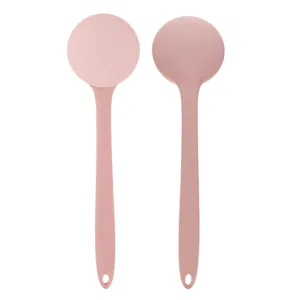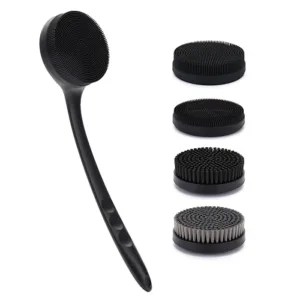
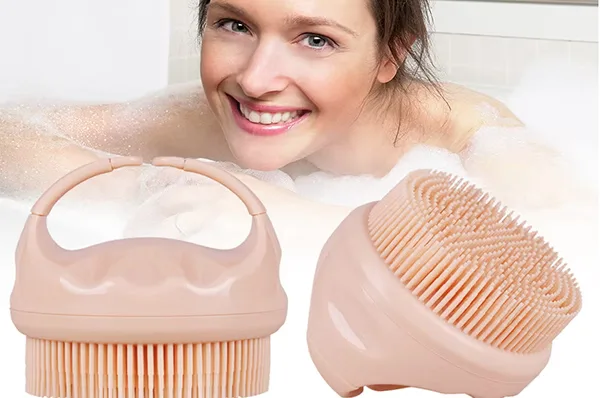
Silicone Shower Brush
In today’s world, where health-conscious and eco-friendly lifestyles are becoming the norm, people are paying closer attention to the materials in their everyday personal care tools. Among the most debated products are shower brushes—specifically the question of whether silicone shower brushes are just as toxic as traditional plastic ones.
While both materials serve similar functions, they are far from equal in terms of composition, safety, durability, and environmental impact. This article explores the key differences between silicone and plastic shower brushes, their safety profiles, and why silicone has emerged as the preferred choice for both consumers and dermatologists.
1. Understanding the Basics: Silicone vs. Plastic
Before we can compare their safety, it’s important to understand what each material is made of.
Plastic is a broad category that includes many types, such as polypropylene (PP), polyethylene (PE), or polyvinyl chloride (PVC). Most traditional shower brushes are made from these synthetic polymers derived from petroleum. To make them flexible or colorful, manufacturers often add chemical additives like phthalates, BPA (Bisphenol-A), or PVC softeners—substances that have been linked to health and environmental concerns.
Silicone, on the other hand, is a synthetic polymer made primarily from silicon, oxygen, carbon, and hydrogen. Unlike conventional plastics, silicone does not contain carbon-to-carbon bonds but instead features a stable silicon-oxygen backbone, making it more resistant to heat, oxidation, and chemical degradation. High-quality silicone used in personal care products is often medical-grade or food-grade, which means it meets strict safety standards for skin contact and hygiene.
2. Toxicity Concerns: Are Silicone Brushes Safer?
One of the biggest advantages of silicone is its non-toxic and hypoallergenic nature. Here’s how it compares to plastics in terms of safety and toxicity:
a. No BPA or Phthalates
BPA and phthalates are common in many types of plastic and have been linked to hormonal disruptions, reproductive issues, and allergic reactions. Silicone contains neither of these chemicals, making it a safer option for long-term skin contact.
b. Heat Resistance and Stability
Silicone can withstand temperatures up to 200–250°C (392–482°F) without releasing harmful fumes or melting, whereas plastic begins to degrade at much lower temperatures. This stability makes silicone brushes ideal for use in hot showers, as they do not leach chemicals when exposed to heat.
c. Odor and Stain Resistance
Plastic brushes tend to absorb soap residues, oils, and odors over time, especially when exposed to moisture. Silicone’s non-porous structure prevents this buildup, keeping it cleaner and less prone to bacterial growth.
d. Dermatologist-Approved for Sensitive Skin
Many dermatologists recommend silicone shower brushes over plastic or nylon ones for people with sensitive skin, eczema, or acne-prone conditions. The soft, flexible silicone bristles exfoliate gently without causing microtears or irritation.
3. Hygiene and Bacterial Resistance
A major problem with plastic shower brushes and loofahs is that they provide a perfect breeding ground for bacteria, mold, and mildew. The rough texture and porous design trap moisture and dead skin cells, which can quickly lead to bacterial contamination—even after just a few uses.
Silicone brushes, by contrast, are non-porous, meaning they don’t absorb water or harbor bacteria easily. This makes them:
- More hygienic and easier to clean—you can rinse them under warm water or even sterilize them with boiling water.
- Longer-lasting—a single silicone brush can last several years with proper care.
- Odor-free—since bacteria and mold cannot thrive on their surface.
In this sense, silicone shower brushes are not just safer but also healthier for everyday use.
4. Environmental Impact: Silicone vs. Plastic
Toxicity is not just a human health issue—it’s also an environmental one. Plastic pollution is one of the greatest ecological challenges of our time, and traditional shower brushes made from plastic contribute to the growing waste problem.
Plastic Brushes:
- Are derived from petroleum, a non-renewable resource.
- Break down into microplastics, which contaminate oceans and ecosystems.
- Release harmful chemicals when burned or improperly disposed of.
Silicone Brushes:
- Are more durable and reusable, reducing waste.
- Do not break down into toxic microplastics.
- Can be recycled at specialized facilities, though not as easily as some plastics.
- Have a much longer lifespan, which offsets their higher manufacturing cost.
While silicone is not 100% biodegradable, its extended usability and chemical stability make it a more sustainable alternative to disposable plastic brushes.
5. Quality Differences: Not All Silicone Brushes Are Equal
Although silicone itself is non-toxic, not all silicone products are created to the same standard. Low-quality or counterfeit products might be mixed with fillers or cheap plastics to cut costs, which can compromise safety.
To ensure you are purchasing a safe and genuine silicone shower brush, look for the following indicators:
- Material Certification: Check for FDA, LFGB, or REACH compliance.
- Odor Test: Real silicone is odorless, while low-quality blends may smell like rubber or chemicals.
- Heat Test: Pure silicone can withstand boiling water without deforming or releasing fumes.
- Supplier Reputation: Buy from verified manufacturers or brands that specialize in silicone personal care products.
When sourced from a reliable wholesale or factory supplier, high-quality silicone shower brushes are completely safe for daily use and skin contact.
6. Dermatologists’ Opinions
Most dermatologists agree that silicone is one of the safest materials for direct skin contact. The soft, flexible bristles of a silicone shower brush help remove dirt and dead skin cells without causing irritation or abrasion. In contrast, hard plastic bristles can scratch the skin or aggravate conditions like acne or psoriasis.
Dr. Marcia Brown, a board-certified dermatologist, explains:
“Silicone brushes are an excellent alternative to loofahs and plastic scrubbers. They’re hygienic, gentle, and easy to clean—perfect for people with sensitive or reactive skin.”
In other words, while both materials serve the same purpose, silicone’s dermatological benefits make it the safer and smarter choice for long-term skin health.
7. Cost and Practical Value
Some consumers hesitate to switch to silicone brushes due to their higher upfront cost compared to cheap plastic alternatives. However, when you consider their durability, hygiene, and safety, silicone brushes actually offer better long-term value.
A well-made silicone brush can last for two to three years, whereas plastic brushes often need replacement within months due to wear, odor, or mold buildup. Over time, the cost of repeated plastic replacements exceeds the one-time investment in a premium silicone brush.
8. Conclusion: The Clear Winner—Silicone
So, is a silicone shower brush just as toxic as a plastic one?
The clear answer is no.
High-quality silicone shower brushes are non-toxic, hypoallergenic, and heat-resistant, making them far safer for both your body and the environment. They do not release harmful chemicals, are easy to keep clean, and provide a gentler, more effective cleansing experience.
While low-quality imitations may exist, choosing verified food-grade or medical-grade silicone products ensures complete safety and peace of mind.
In short, if you care about your skin health, hygiene, and the planet, switching to a silicone shower brush is a simple yet impactful upgrade to your daily routine. 🌿🛁