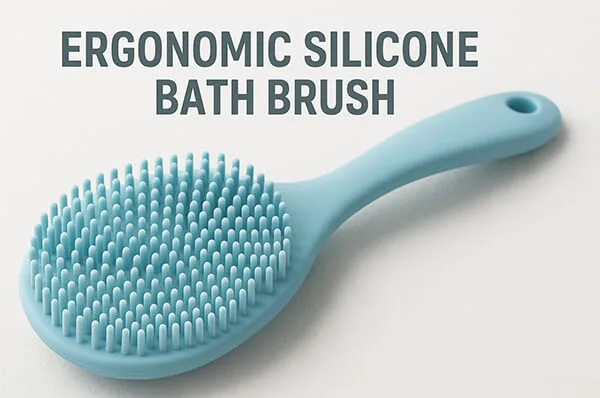
Silicone Body Scrubbers
In the current personal care market, body scrubbers have really evolved from being cleansing tools into everything that comfort, efficiency, and health benefits stand for. Ergonomic design is one of the major factors causing this transformation. With the intervention of ergonomics into body scrubbers, manufacturers aim to create scrubbers that fit naturally with the anatomical makeup and movement of the human body so that cleansing is enhanced, carried out with minimum effort on the part of the user, and more satisfying.
Silicone body scrubbers constitute an excellent example of ergonomic design combined with innovative materials. With a soft, yet durable texture and a carefully designed shape, it qualifies for a must-have in every modern bathroom. This article will discuss the application of ergonomic design principles to body scrubbers, the benefits of silicone models, and their implications for health, relaxation, and the commercial world.
Understanding Ergonomic Design in Personal Care Tools
Ergonomics is the science of optimizing the interaction between people and the tools or environments they use. Its goal is to reduce strain, prevent injury, and maximize efficiency. In the context of body scrubbers, ergonomics focuses on:
Grip and handling: How well the scrubber fits into the user’s hand, and whether it reduces wrist and arm strain.
Reach and accessibility: Whether the scrubber allows users to easily clean difficult areas such as the back or feet.
Skin compatibility: Ensuring that scrubbing provides effective exfoliation without damaging the skin.
Ease of use: Considering user-friendly design elements like lightweight materials, non-slip grips, and convenient storage.
When these ergonomic elements are prioritized, body scrubbers become more than just cleaning tools—they become instruments that support health and enhance relaxation.
Ergonomic Grip: From Functional to Comfortable
Contoured Handles for Natural Holding
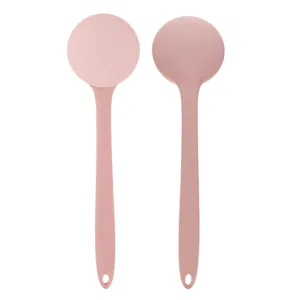
Traditional body scrubbers often feature straight, generic handles that require excessive wrist twisting or arm stretching. Ergonomically designed scrubbers, however, integrate curved handles or textured grooves that conform to the shape of the human palm. This minimizes fatigue during extended use, making the scrubbing process more comfortable and sustainable.
Anti-Slip Features
The bathroom environment is inherently slippery, and poorly designed tools may fall out of hand, creating both inconvenience and risk. Many modern scrubbers feature non-slip silicone grips or ridged surfaces that maintain stability even when wet and soapy.
Adaptation for Different Users
Ergonomic body scrubbers also consider varied demographics. For elderly users with reduced grip strength, lightweight materials and wide handles reduce strain. For athletes seeking deeper exfoliation, sturdier handles paired with firmer scrubbing surfaces ensure effective cleaning.
Scrubbing Surfaces: Balancing Effectiveness and Comfort
The Role of Silicone in Ergonomic Scrubbers
The silicone body scrubber exemplifies the balance between cleaning effectiveness and skin comfort. Silicone’s natural flexibility allows it to bend according to body contours, reducing the harsh friction that traditional nylon or loofah scrubbers may cause. Its hypoallergenic nature also ensures compatibility with sensitive skin.
Density and Texture of Bristles
An important ergonomic principle is to tailor the scrubbing surface for different skin areas:
Short, soft bristles are ideal for delicate zones such as the chest and neck.
Longer, firmer bristles work better on rougher areas like elbows, knees, and feet.
Some silicone scrubbers combine dual textures, offering a soft side for gentle cleansing and a firmer side for exfoliation.
Massage and Circulation Benefits
Many ergonomic scrubbers are designed to deliver a dual function: cleansing and massage. By arranging silicone bristles in specific patterns, scrubbers can stimulate acupressure points, enhancing blood circulation and contributing to stress relief—an added ergonomic benefit beyond cleaning.
Full-Body Accessibility: Solving the Reach Problem
One of the major challenges in body scrubbing is reaching the back. Ergonomic design addresses this through:
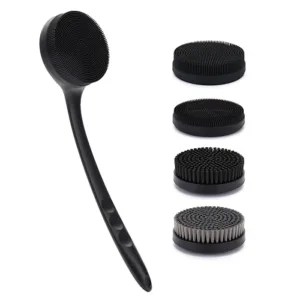
Extended handles: Longer silicone or composite handles help users easily scrub the back without shoulder strain.
Flexible designs: Some scrubbers feature bendable handles or straps, adapting to different body sizes and movements.
Double-sided models: Offering dual textures (e.g., soft and firm) in a single tool ensures convenience without switching products mid-shower.
These improvements reduce awkward stretching and twisting motions, which can be particularly beneficial for people with mobility issues or joint stiffness.
Lightweight and Eco-Friendly Design
Reducing Fatigue
Ergonomics emphasizes reducing unnecessary strain. Silicone body scrubbers, being naturally lightweight and durable, help users clean without feeling weighed down. This is particularly helpful for those with arthritis, wrist pain, or limited mobility.
Environmental Responsibility
An often-overlooked aspect of ergonomic design is sustainability. Traditional loofahs degrade quickly, requiring frequent replacement. Silicone scrubbers, by contrast, are long-lasting, easy to sanitize, and resistant to bacterial growth. Ergonomically, this means fewer interruptions in use and less environmental waste—a benefit that resonates with eco-conscious consumers.
Storage and Maintenance: Post-Use Ergonomics
Ergonomics does not end when the shower does. Post-use convenience also matters:
Hanging loops integrated into the design allow quick drying, preventing mold buildup.
Easy-to-clean surfaces reduce the effort needed to maintain hygiene.
Compact storage ensures the scrubber fits neatly into modern bathrooms without clutter.
By reducing maintenance effort, ergonomic design extends usability and improves overall satisfaction.
Psychological Comfort: Beyond Physical Design
True ergonomic design also accounts for mental and emotional well-being. Using a body scrubber should not feel like a chore—it should feel like self-care.
Aesthetic appeal: Soothing colors like aqua, lavender, or pastel tones enhance relaxation during shower routines.
Stress relief: Massage-like bristle arrangements create a spa-like experience at home.
Personalization: Adjustable scrubbers with interchangeable heads cater to individual needs, reinforcing user satisfaction.
This fusion of physical and psychological comfort transforms the body scrubber into a holistic wellness tool.
Market Trends and Future of Ergonomic Body Scrubbers
Integration of Smart Features
Future ergonomic body scrubbers may integrate sensors that monitor scrubbing pressure, skin hydration, or usage time, alerting users to optimal cleaning habits.
Further Material Innovation
Manufacturers are experimenting with advanced eco-materials—biodegradable silicone blends or antimicrobial coatings—to push ergonomics into sustainable living.
Customization for Different Demographics
Children’s scrubbers with playful shapes and ultra-soft textures.
Sports-focused models with firmer bristles and built-in massaging nodes.
Senior-friendly scrubbers with longer handles and ultra-lightweight bodies.
Sustainable and Modular Design
Interchangeable scrub heads or recyclable components will align with the global push for circular economy practices.
Conclusion
Ergonomic design has redefined the body scrubber from a simple cleaning accessory into an advanced personal care tool. By addressing grip comfort, reachability, skin compatibility, weight, and even psychological well-being, ergonomically designed body scrubbers provide users with a comprehensive, enjoyable, and health-oriented cleansing experience.
The silicone body scrubber exemplifies this evolution, merging material innovation with ergonomic design to create a durable, hygienic, and user-friendly product. As consumer demand for comfort, wellness, and sustainability grows, ergonomically designed body scrubbers are set to remain at the forefront of personal care innovation.