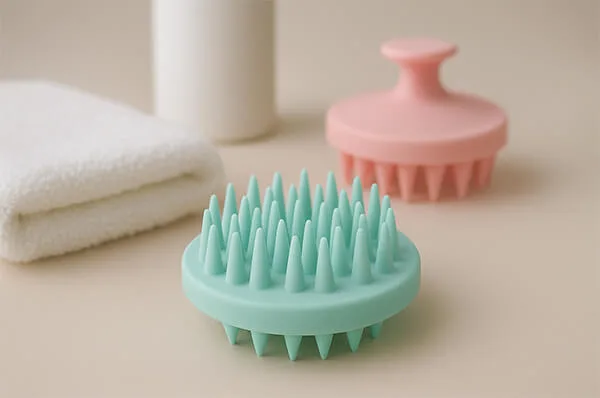
When it comes to hair care, people often focus on shampoos, conditioners, and styling products. However, one of the most overlooked yet essential tools is the humble hair brush. The right brush can transform your daily routine by reducing breakage, improving scalp health, enhancing shine, and even making styling easier. The wrong brush, on the other hand, can lead to tangles, split ends, and unnecessary frustration.
So how do you pick the right hair brush? The answer depends on your hair type, styling goals, and personal preferences. Let’s explore the most common types of hair brushes, their pros and cons, and why silicone hair brushes are becoming a modern favorite.
Why Choosing the Right Hair Brush Matters
Your hair brush is not just for detangling. It plays a critical role in:
Distributing natural oils from the scalp down the hair shaft for natural shine
Stimulating the scalp to encourage circulation and healthier growth
Preventing damage by reducing unnecessary tugging and pulling
Assisting in styling whether you want straight, smooth strands or voluminous curls
Using the wrong brush can worsen frizz, cause static, and even weaken hair over time. That’s why understanding the different types of brushes is the first step toward healthier, more manageable hair.
Common Types of Hair Brushes and Their Pros & Cons
1. Paddle Brush
Best for: Straight, long, or medium-length hair
Pros:
Wide surface covers more hair, reducing brushing time
Great for smoothing and detangling
Works well on straight or slightly wavy hair
Cons:
Not ideal for adding volume
Can feel bulky for short hair
May not reach the scalp deeply enough for thick hair
2. Round Brush
Best for: Blow-drying, styling curls or volume
Pros:
Helps create curls, waves, or extra volume
Smooths hair while drying
Ceramic versions heat up, acting like a curling iron
Cons:
Can cause tangling if used incorrectly
Requires practice and proper technique
Not suitable for quick everyday brushing
3. Vented Brush
Best for: Quick blow-drying and detangling wet hair
Pros:
Vents allow airflow, reducing drying time
Lightweight and easy to use
Works well for detangling damp hair
Cons:
Less control for precise styling
Doesn’t provide much smoothing effect
Bristles may feel harsh on sensitive scalps
4. Boar Bristle Brush
Best for: Fine hair, adding shine
Pros:
Distributes natural oils evenly for glossy results
Gentle on hair strands
Reduces frizz and enhances smoothness
Cons:
Not effective on very thick or curly hair
Can be expensive
Requires frequent cleaning due to oil and product buildup
5. Detangling Brush
Best for: Wet or knot-prone hair
Pros:
Flexible bristles glide through tangles without breaking hair
Great for kids or sensitive scalps
Works well on both wet and dry hair
Cons:
May not style or smooth as effectively as other brushes
Not suitable for creating volume or curls
Durability varies depending on quality
6. Silicone Hair Brush (Modern Option)
Best for: Sensitive scalps, everyday gentle care, scalp massage
Pros:
Soft silicone bristles are gentle yet effective
Stimulates circulation and promotes scalp health
Hypoallergenic and easy to clean
Works for both wet and dry hair
Reduces static and minimizes breakage
Cons:
Less styling control compared to ceramic or round brushes
Some may prefer firmer bristles for thick hair
Limited availability compared to traditional brushes
How to Match a Hair Brush to Your Hair Type
For Fine Hair
Opt for a boar bristle brush or a silicone brush. Both are gentle enough to avoid breakage and will help distribute oils for a healthy shine.
For Thick or Coarse Hair
A paddle brush or wide-tooth detangling brush works best. These brushes cover more surface area and prevent tugging.
For Curly Hair
A vented brush or detangling brush designed for curls is ideal. Silicone brushes can also be a good choice since they won’t snag tightly coiled strands.
For Oily Hair
Boar bristle brushes help spread oils evenly, preventing buildup at the roots. Silicone brushes are also useful as they exfoliate and cleanse the scalp gently.
For Sensitive Scalp
Silicone brushes stand out here. The soft-touch bristles massage without scratching, making them comfortable for daily use.
Why Silicone Hair Brushes Deserve Your Attention
Silicone hair brushes are a relatively new entrant to the market, but they are quickly gaining popularity for several reasons:
Scalp Massage Benefits
The soft silicone bristles not only detangle but also massage the scalp. This can relieve stress, encourage blood circulation, and promote healthier hair growth over time.Gentle Yet Effective
Unlike hard plastic or metal bristles, silicone is flexible. It bends with your hair strands, reducing friction and minimizing breakage, which is particularly important for people struggling with hair thinning.Hygienic and Easy to Clean
Silicone is naturally resistant to bacterial buildup and can be washed easily with soap and water. This makes it a more hygienic option compared to natural bristles that absorb oils and products.Suitable for All Hair Types
Whether your hair is fine, curly, or thick, silicone brushes adapt well. They are especially beneficial for children or anyone with a sensitive scalp.Eco-Friendly Options
Many silicone brushes are designed with sustainability in mind, making them a more environmentally friendly alternative to plastic-heavy designs.
Tips for Choosing the Right Hair Brush
Know Your Hair Goals
If you want shine, go for boar bristles. If you need quick styling, choose a round or vented brush. For scalp health, a silicone brush is your best friend.Consider Hair Length
Long hair benefits from paddle brushes, while shorter styles may do better with round brushes.Think About Maintenance
Some brushes, like boar bristle types, require frequent cleaning. If you prefer low maintenance, silicone brushes are easier to manage.Test Comfort on Scalp
Ultimately, a brush should feel good on your scalp. If it scratches or pulls, it’s not the right fit for you.
Final Thoughts
Picking the right hair brush is about more than just detangling. The best brush for you depends on your hair type, your scalp’s sensitivity, and your styling needs. Paddle brushes, round brushes, vented brushes, and boar bristle brushes all have their place in a beauty routine, but silicone hair brushes are a standout option for modern users.
They combine gentle care, hygiene, and scalp-stimulating benefits in one tool. If you’ve struggled with hair breakage, scalp irritation, or the challenge of keeping brushes clean, a silicone hair brush might just be the perfect solution.