Silicone Body Scrubbers
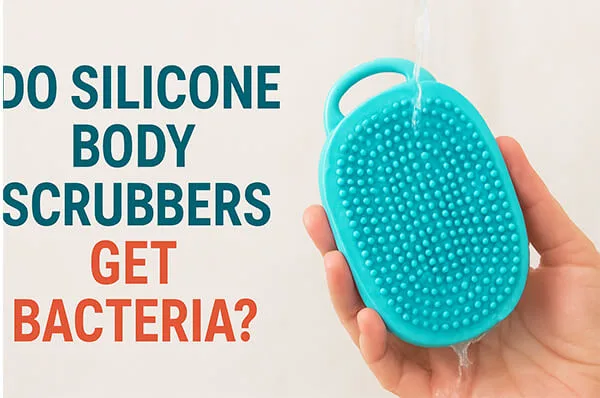
Features such as silicone body scrubbers are seeing a rise in demand in the self-care and beauty industry. These scrubbers, marketed as a strong blend of both eco-friendly and hygiene-promoting materials, are much preferred. They seem to have become essential in the bathroom. The emerging question seems equally natural: Do Silicone Body Scrubbers Get Bacteria? And if they do, is there a way to protect against their potential hazards?
If you dip into this overcharged topic, you will discover that there isn’t much real guidance on the internet on how to sterilize and maintain silicone body scrubbers. This statement is halfway true; there is not much scientific or health information available. In this article, I will deep dive into the topic and guide the reader about the best cleaning practices of silicone body scrubbers. The great thing is that, while expanding on this, we can add a layer of beauty to the discussion by ensuring user skin is as healthy as it is beauty.
Do Silicone Body Scrubbers Harbor Bacteria?
The short answer is: Yes, but far less than traditional scrubbers.
Unlike loofahs, sponges, or cloths, silicone scrubbers are made of non-porous material. This means water, soap, and dead skin cells don’t soak into the tool the way they would with a sponge or natural fiber brush. As a result, bacteria have a much harder time multiplying.
However, “harder” doesn’t mean “impossible.” Here’s why:
Moist Environments Encourage Growth
The shower is a warm, humid space—ideal for bacteria and mold growth. Even non-porous materials like silicone can collect soap scum and microscopic residue that bacteria may cling to.Skin Cells & Oil Residue
Each time you exfoliate, dead skin cells and oils are sloughed off. Some of this debris can remain on the scrubber, creating a surface for bacteria to thrive if not rinsed away.Biofilm Formation
Over time, soap and water minerals can form a sticky film on silicone, making it easier for microorganisms to attach.
So, while silicone body scrubbers are much more resistant to bacterial buildup than loofahs, they’re not completely immune. This is why regular cleaning and sanitization are essential.
The Risks of an Unsanitized Silicone Body Scrubber
Using a dirty scrubber isn’t just unpleasant—it can actually harm your skin.
Breakouts and Clogged Pores
Bacteria and oil buildup can transfer back to your skin, leading to acne or irritation.Skin Infections
If you have small cuts, scratches, or razor bumps, bacteria from a dirty scrubber can enter and cause infection.Unpleasant Odors
Soap residue combined with bacteria may result in a musty smell, signaling contamination.Reduced Effectiveness
A scrubber coated with residue won’t exfoliate as efficiently, meaning less skin-smoothing benefits.
How to Properly Sanitize a Silicone Body Scrubber
The good news is that silicone is much easier to clean than other materials. Here’s a complete guide to keeping your scrubber safe and long-lasting.
1. Rinse After Every Use
Immediately after each shower:
Hold the scrubber under running warm water.
Rub bristles with your fingers to loosen soap and skin residue.
Shake off excess water.
This step removes most surface debris before bacteria can settle.
2. Air Dry in a Ventilated Space
Moisture is bacteria’s best friend. Instead of leaving your scrubber in a damp corner of the shower:
Hang it on a hook or suction cup.
Make sure it dries completely between uses.
Avoid placing it flat against tiles where water gets trapped.
3. Weekly Deep Cleaning
Once a week, give your scrubber a thorough clean. You can choose from several safe methods:
Option A: Hot Water Soak
Boil water, then let it cool slightly.
Submerge the scrubber for 5–10 minutes.
Air dry.
This kills most bacteria and helps loosen soap scum.
Option B: Vinegar Solution
Mix equal parts white vinegar and warm water.
Soak the scrubber for 15–20 minutes.
Rinse thoroughly.
Vinegar is a natural disinfectant and deodorizer.
Option C: Baking Soda Scrub
Make a paste of baking soda and water.
Gently rub into the scrubber’s bristles.
Rinse and dry.
Baking soda neutralizes odors and helps remove residue.
4. Monthly Disinfection
For an extra layer of hygiene, disinfect your scrubber once a month.
Dishwasher Method:
Place the scrubber on the top rack of your dishwasher. The heat and detergent sanitize it effectively.Diluted Hydrogen Peroxide:
Soak in a mix of 3% hydrogen peroxide and water for 10 minutes, then rinse thoroughly.
5. Avoid Harsh Chemicals
While bleach or strong cleaners may seem like a good idea, they can degrade the silicone over time. Stick with natural, gentle methods.
How Often Should You Replace a Silicone Body Scrubber?
Even with the best care, no scrubber lasts forever. Dermatologists suggest replacing silicone scrubbers every 6–12 months, depending on use. Signs it’s time to replace include:
Cracked or damaged silicone
Persistent odor despite cleaning
Discoloration or sticky texture
Loss of exfoliating effectiveness
Expert Dermatologist Tips
Pair With a Gentle Cleanser
Since the scrubber already exfoliates, avoid pairing with harsh scrubs. Use a mild body wash instead.Don’t Over-Exfoliate
2–4 times a week is plenty for most skin types. Daily use can cause irritation.Separate Face and Body Scrubbers
Your body scrubber should not be used on your face, as it may carry oils or bacteria from the rest of your body.Travel Smart
If taking your scrubber on trips, pack it in a breathable pouch and clean it thoroughly before and after travel.
Conclusion: Silicone Scrubbers Are Hygienic—If You Keep Them Clean
So, do silicone body scrubbers get bacteria? Yes, but far less than traditional options. Their non-porous surface makes them naturally resistant, but like any tool in a moist bathroom environment, they require proper care.
The key to safe use is regular rinsing, proper drying, weekly cleaning, and occasional deep disinfection. By following these simple steps, you can enjoy a hygienic, long-lasting scrubber that keeps your skin healthy, smooth, and glowing.
With the right care, your silicone body scrubber won’t just be a beauty tool—it’ll be a long-term ally in your self-care routine.