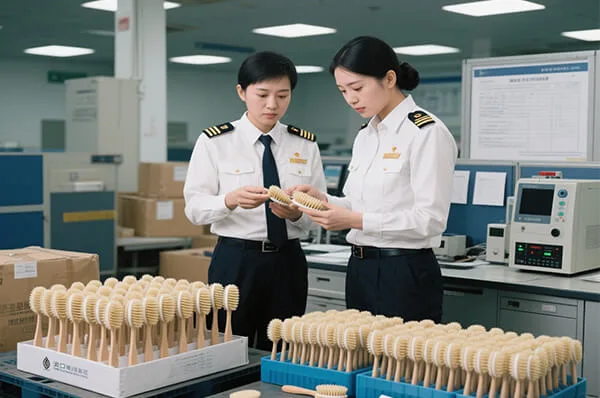
Bath Brush Import and Export
In the worldwide personal care and hygiene market, bath brushes have been perceived with growing importance in demand in both domestic and export domains. Import and export of bath brushes form a crucial link to satisfy the diverse needs of consumers worldwide and consequently present an ever-changing scenario full of trends to be witnessed along with challenges and opportunities.
Trends in Bath Brush Import and Export
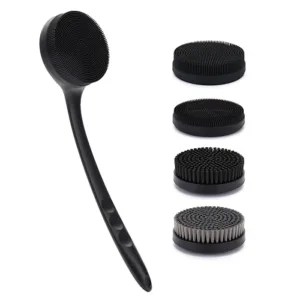
Diversification of Products: Through the passage of time, bath brushes progressed from simple-basic model designs into many. There are electric bath brushes for enhanced cleaning and massage, ergonomic ones with handles which fit comfortably into the hand during use, and those constructed from materials such as soft silicone for gentle exfoliation or natural bristles for more traditional scrubbing. Through diversification, the import-export pattern altered in respect to bath brushes. For instance, Central European nations cannot get enough of high-tech electric bath brushes from Asian supplier hubs, especially those boasting features like multiple speed settings and waterproof design.
Sustainable and Eco-Friendly Choices: Following the environmental protection awareness, bath brushes are going greener. Pro-environmental consumers incline toward those brushes made from recycled materials or those considered biodegradable, forcing exporters to come up with bamboo handled brushes instead of plastic ones or using natural plant fibers for bristles. Epidemiologically conscious markets such as Canada and some Scandinavian countries are actively seeking such eco bath brush alternatives, thereby driving import-export patterns.
Customization and Branding: These bath brushes are no longer generic products. Brands are producing bath brushes customized in colors and patterns or even with personalized engraving. This trend is remarkably apparent when exporting bath brushes from countries with reputed manufacturing ability, such as China, where factories can accept small-batch custom orders from international brands. Importers find these custom options attractive as a means to address specific consumer segments and to nurture brand allegiance.
Challenges in Bath Brush Import and Export
Quality Standards and Regulations: A number of countries maintain different quality and regulatory standards with respect to bath brushes. For example, in the U.S., there are very strict regulations about safety on the materials being used, especially those that come into contact with human skin, to avoid allergic reactions or other health concerns enter the marketplace. Exporters need to ensure that their bath brushes adhere to these varied standards, and this has often been difficult and expensive to accomplish, involving intensive testing and certification procedures. On the other hand, importers need to verify very carefully whether the imported bath brushes are meeting such regulatory requirements lest they face certain legal and reputation-related problems.
Logistics and Shipping: Bath brushes require delicate handling during transport-they could be soft-bristled and need a smooth ride or in the case of electric ones, require protection from shocks and bumps during transit. Any delay in shipping, damages during transit, and customs clearance formalities are all events that interrupt a smooth import-export operation. The fluctuating freight costs and the need to meet promised delivery schedules add stress to importers and exporters alike. Washbasin brushes could not reach the consumers on time, given the disruptions in the supply chain, especially during peak shipping seasons or unexpected global crises such as COVID-19.
Competition: An intense competition prevails on the global bath brush market. There are many manufacturers and brands competing for the import-export business. Emerging economies are gradually increasing their production level and supplying alternate bath brushes at cheaper prices, while the well-established names compete on quality and brand equity. Such an intense competition makes it tough for either the latecomers or the existing ones to retain or enlarge their market share.
Opportunities in Bath Brush Import and Export
E-Commerce Escalation: The development of e-commerce platforms has provided fresh opportunities in the import and export of bath brushes. Small and medium-sized enterprises that once forestalled their goods from crossing international horizons can now have their items listed in international e-commerce sites and avail themselves of direct consumer services. This has led to the democratization of import-export, enabling quite a few more to engage. For instance, a local bath brush manufacturer in Brazil will now be able through online marketplaces to export its unique handcrafted brushes to customers in Europe and North America.
Market Expansion in Emerging Economy: As the economies of Asian, African, and Latin American countries continue to improve, the demand for personal care products such as bath brushes is also rising. Importers, therefore, have the opportunity to penetrate emerging markets by studying local consumer preferences and tailoring their product offerings accordingly. Exporters, conversely, can focus on these regions for the diversification of their customer base and higher sales volume.
Innovation and Technological Upgrades: Continuous innovations in bath brush designs and technology offer opportunities for importers and exporters. Making new and improved models of bath brushes with technical features will, in turn, give export advantage in the international market. The importers can then introduce these new products into the local markets, thereby attracting those who are always searching for better and more functional personal care products.
To conclude, the import and export of bath brushes is very dynamic and ever-changing. By following the trends, overcoming the challenges, and seizing the opportunities, businesses in this sector may flourish and contribute to the global trade of personal care products.