Best Tool for Body Exfoliation
Exfoliation is one of the most important steps in a body care routine. It helps remove dead skin cells, unclog pores, and promote smoother, healthier, and more radiant skin. While body scrubs and chemical exfoliants play a role, the tool you use for physical exfoliation makes a significant difference in results. This brings us to the central question: What is the best tool for body exfoliation?
The answer depends on your skin type, preferences, and lifestyle. In this article, we’ll explore the most effective exfoliation tools—from traditional loofahs to modern silicone scrubbers—and help you decide which one works best for you.
Why Exfoliation Matters
Our skin naturally sheds dead cells every 28 to 40 days. However, factors such as aging, pollution, stress, and improper cleansing can slow this process, leading to buildup. This buildup can cause:
- Rough texture
- Dull appearance
- Clogged pores and body acne
- Ingrown hairs
- Reduced absorption of moisturizers and serums
Exfoliating tools help speed up the natural shedding process, keeping your skin smooth, soft, and glowing.
Types of Body Exfoliation Tools
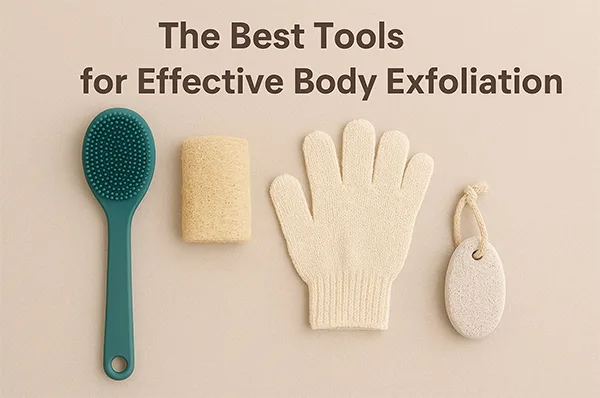
There are several tools available for exfoliating the body. Each comes with its own strengths and limitations.
1. Loofahs (Natural or Synthetic)
Loofahs have been used for centuries as exfoliating sponges made from fibrous plant material or synthetic versions. They are effective in scrubbing away dead skin, but they have some drawbacks.
- Pros: Affordable, widely available, provide deep exfoliation.
- Cons: Can harbor bacteria if not cleaned properly, may be too rough for sensitive skin.
2. Body Brushes (Dry or Wet Brushing)
Body brushes are popular for dry brushing techniques, where the bristles exfoliate skin before showering. Wet brushing in the shower is another option.
- Pros: Improves circulation, helps with lymphatic drainage, reduces cellulite appearance over time.
- Cons: Can feel harsh, may irritate sensitive or acne-prone skin, requires consistent cleaning.
3. Exfoliating Gloves
Exfoliating mitts or gloves are worn on the hands and used with body wash or scrubs to buff away dead skin.
- Pros: Easy to use, provides good control, inexpensive.
- Cons: Needs regular washing, may wear out quickly, can be rough for delicate areas.
4. Pumice Stones
Traditionally used on feet, pumice stones effectively remove hardened skin and calluses.
- Pros: Best for tough skin areas (heels, elbows).
- Cons: Too harsh for most of the body, not versatile.
5. Microfiber Towels or Cloths
These are soft fabrics that can gently exfoliate without irritating the skin.
- Pros: Gentle, reusable, hygienic when washed regularly.
- Cons: Not as effective for deep exfoliation.
6. Silicone Body Scrubbers (Modern Choice)
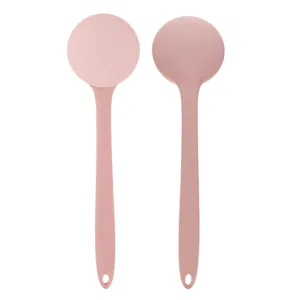
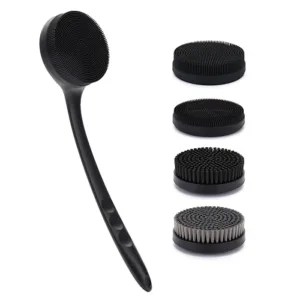
Silicone scrubbers are gaining popularity as the most hygienic and skin-friendly exfoliation tool.
- Pros:
- Soft, flexible bristles that exfoliate gently but effectively
- Resistant to bacteria and mold buildup
- Long-lasting and easy to clean
- Suitable for sensitive, acne-prone, or dry skin
- Provides massage-like stimulation to improve circulation
- Cons: May feel less “abrasive” compared to loofahs, which some people prefer for heavy exfoliation.
Why Silicone Body Scrubbers Stand Out
Among all exfoliation tools, silicone body scrubbers are increasingly seen as the best choice for most skin types. Unlike loofahs that quickly accumulate bacteria, silicone is non-porous and easy to sanitize. This makes it a healthier and longer-lasting option.
Silicone scrubbers also come in ergonomic designs, such as long-handle back scrubbers for hard-to-reach areas or dual-sided scrubbers with different bristle textures. These innovations combine practicality with skin-friendly exfoliation.
Additionally, silicone is gentle enough for daily use, making it ideal for people with sensitive skin, psoriasis, or eczema who cannot tolerate harsher tools.
How to Use Exfoliation Tools Effectively
Using the right technique is just as important as choosing the right tool. Here are some tips:
- Choose the Right Frequency
- Sensitive skin: 1–2 times per week
- Normal skin: 2–3 times per week
- Oily or rough skin: 3–4 times per week
- Use With a Gentle Cleanser or Scrub
Pair your exfoliating tool with a mild body wash or exfoliating scrub for best results. - Be Gentle
Over-scrubbing can cause redness, microtears, and irritation. Use light pressure, especially with harsher tools. - Moisturize After Exfoliating
Always follow exfoliation with a body lotion, cream, or oil to lock in hydration. - Keep Tools Clean
- Rinse thoroughly after each use.
- Air-dry in a well-ventilated space.
- Replace loofahs and gloves every few weeks; silicone scrubbers can last months or even years.
Best Tool by Skin Type
- Sensitive Skin → Silicone body scrubber or microfiber towel
- Dry Skin → Exfoliating glove with gentle scrub + moisturizer
- Oily/Acne-Prone Skin → Silicone scrubber (to avoid bacteria buildup)
- Rough, Calloused Areas → Pumice stone (for feet, elbows) + regular scrubber for the rest of the body
- Normal Skin → Loofah, body brush, or silicone scrubber depending on preference
Conclusion: What’s the Best Tool?
While every exfoliation tool has its place, the silicone body scrubber stands out as the most versatile, hygienic, and skin-friendly choice for modern body care. It provides effective exfoliation without damaging the skin barrier, reduces the risk of bacterial buildup, and is suitable for nearly all skin types.
That said, the best tool ultimately depends on your individual skin needs. For most people seeking a balance of cleanliness, safety, and effectiveness, a silicone scrubber is the top recommendation.