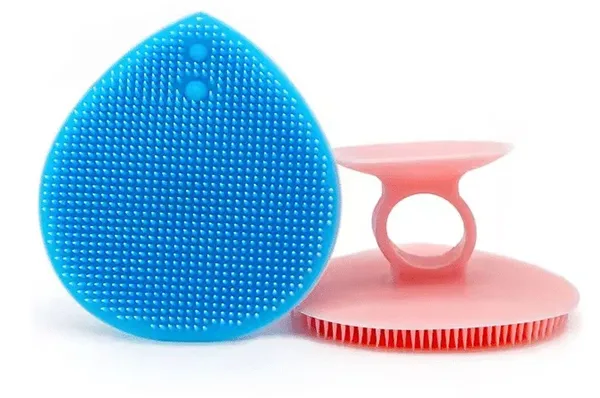
Silicone Face Scrubbers
Silicone face scrubbers have become one of the most significant segments for major retailers like Walmart, Target, Boots, and other international chains as silicone beauty tools continue to gain acceptance and popularity. Compliance is not a choice but a strict requirement for any brand, distributor, or factory that wants to sell through these retail kings.
Retailers must support their legal and brand responsibilities and ensure consumer protection, minimize their environmental impact, and provide supply chain transparency. Therefore, they ask the suppliers to submit a set of standardized testing reports along with documented quality controls and material compliance certifications, especially for personal-care products that come in direct contact with human skin.
This in-depth guide lists the specific testing reports that Walmart, Target, and Boots usually require for silicone face scrubbers, thus revealing standard global retailer compliance systems. The article aims to assist Beaut-Lohas.com and its partners in getting ready for massive retail distribution.
1. Why Compliance Testing Is Required by Major Retailers
Retailers like Walmart, Target, and Boots require testing for three major reasons:
1. Consumer Safety
Products that touch the skin must be free from:
Harmful chemicals
Allergens
Irritants
Microbial contamination
Sharp or risky structural defects
2. Legal Liability & Market Regulations
Retailers must ensure compliance with:
U.S. FDA guidelines
CPSC regulations
EU REACH chemical restrictions
EU General Product Safety Directive
UK Cosmetic Safety regulations (post-Brexit)
3. Brand Protection
Large retailers cannot risk:
Customer complaints
Product recalls
Negative PR
Legal penalties
Strong compliance protects the business and keeps suppliers eligible for long-term partnerships.
2. Testing Reports Commonly Required for Silicone Face Scrubbers
Although requirements vary by country and by retailer, the following compliance documents are typically needed for non-electric, 100% silicone facial scrubbers.
3. Material Safety Testing (Essential for All Retailers)
✔ FDA Food-Grade Compliance (U.S.)
Even though face scrubbers are not food-contact products, retailers often request:
FDA 21 CFR 177.2600 (Food-grade silicone elastomer standard)
Reason: Food-grade silicone ensures the highest safety for skin-contact products.
✔ REACH (EU & UK) – SVHC Screening
REACH ensures the product contains no harmful chemicals, especially:
Phthalates
Heavy metals
Volatile organic compounds (VOCs)
Aromatic hydrocarbons
This is mandatory for:
Boots (UK & EU)
EU distributors
Retailers selling into Europe
✔ RoHS (Electrical Restrictions)
Even though silicone scrubbers are non-electronic, many retailers still require RoHS as an added safety certification showing the product is free from:
Lead
Mercury
Cadmium
Hexavalent chromium
This builds trust in manufacturing quality and supply chain reliability.
4. Microbiological & Hygiene Testing
Because silicone face scrubbers contact human skin, many retailers require microbial screening.
1. Microbial Cleanliness Test
Checks for:
Yeast
Mold
Bacteria
Ensures hygienic production and safe handling.
2. Antimicrobial Claims Verification
If a brand markets the scrubber as:
“Anti-bacterial”
“Anti-mold”
“Hygienic silicone”
Then ASTM or ISO antimicrobial testing must validate that claim.
5. Physical & Mechanical Testing
Even a simple silicone scrubber must fit retailer durability standards.
✔ Mechanical Durability Test
Assesses:
Tear resistance
Stretch/elasticity
Handle strength
Daily-use lifecycle durability
✔ Sharp Edges & Small Parts Test (CPSC)
Ensures the product has:
No sharp points
No detachable small parts that could pose risk
Especially required for:
Walmart
Target
Any product sold in children/teen categories
6. Heavy Metals & Chemical Migration Testing
Retailers typically require heavy-metal screening even for non-food products.
✔ Heavy Metals Test (ICP-MS)
Ensures silicone contains no harmful residues.
✔ VOC (Volatile Organic Compound) Testing
Ensures no toxic gases or plasticizers are released from silicone.
7. Environmental / Sustainability Compliance (Increasingly Important)
Many large retailers implement sustainability programs.
✔ Packaging Material Compliance
Retailers may require:
FSC certification (for paper packaging)
Recycled content verification
Packaging waste compliance (EU 94/62/EC)
✔ California Proposition 65 (U.S.)
Mandatory when selling in the state of California.
Covers:
Carcinogens
Reproductive toxins
Many large U.S. retailers require Prop 65 testing as standard procedure.
8. Retailer-Specific Requirements
Walmart Requirements
Walmart typically requests:
CPSIA compliance
Heavy metals test
FDA compliance
Microbial test
Packaging compliance
Factory audit (ethical + quality)
Target Requirements
Target’s compliance team often requires:
REACH
Prop 65
Microbial test
VOC screening
Internal safety assessment by Target’s quality lab
Social compliance audit (Target Responsible Sourcing Audit)
Boots (UK) Requirements
Boots quality standards generally include:
REACH
UKCA compliance (for applicable items)
Cosmetic-contact material safety assessment
Full chemical disclosure
Packaging recycling compliance
9. Documentation Retailers Often Require Beyond Testing
In addition to testing reports, retailers typically request the following:
✔ Safety Data Sheet (SDS)
Details material composition and safety precautions.
✔ Full Material Declaration (FMD)
List of all chemicals used during production.
✔ Certificate of Conformity (CoC)
Issued by manufacturer confirming regulatory compliance.
✔ Factory Audit Report
Most large retailers require:
Sedex/SMETA
BSCI
Walmart’s Responsible Sourcing audit
Target’s Responsible Sourcing audit
Beaut-Lohas.com, with 14 years of professional silicone ODM experience, can easily meet these documentation and audit expectations.
10. How Beaut-Lohas.com Meets Retailer Compliance Requirements
Beaut-Lohas offers strong advantages for big retail entry:
1. In-house testing partnerships
Cooperative labs:
SGS
Intertek
TÜV
BV
2. Full OEM/ODM support
Custom mold creation
Customized bristle patterns
Private-label packaging
3. Certified production
Food-grade silicone
REACH-compliant raw materials
Production traceability
4. Capability for large-volume orders
5,000,000+ annual production capacity
3,000+ existing molds
50+ QC staff ensuring consistency
5. Strong B2B service
Designed for:
Beauty brands
Retail chains
E-commerce sellers
Wholesale distributors
This makes Beaut-Lohas a reliable partner for brands preparing for retail compliance.