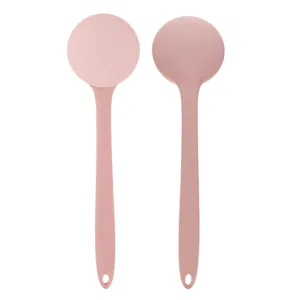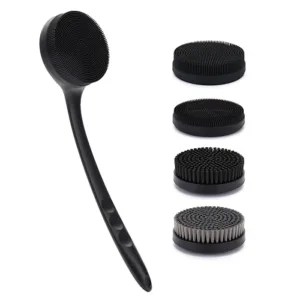
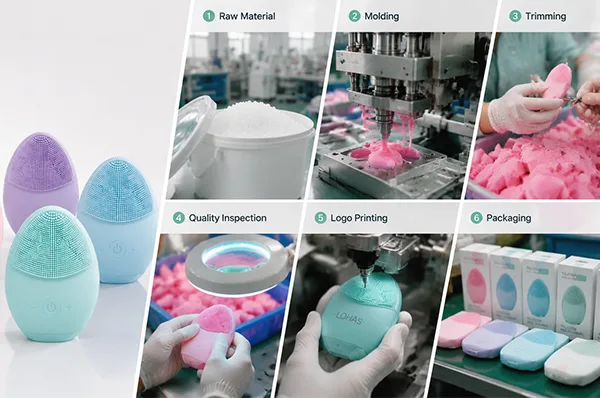
When searching for a reliable silicone face scrubber factory, customers expect more than just a product brochure or an advantageous quote from the manufacturer. They need to know about the manufacturing process, silicone materials control, design implementation, and maintaining quality while producing a large amount of goods.
For beauty brands, wholesalers, retailers, distributors, and private label businesses, the manufacturing process is an essential element of supplier evaluation.
A reputable silicone face scrubbers manufacturer can provide detailed information on the entire production process from raw material inspection to logo application and quality control up to packaging and final inspection.
At first glance, the manufacturing process looks rather easy; however, it is not.
In this article, we will give you a tour of a professional silicone face scrubber factory and describe all steps in details.
Why It Is Important To Consider Factory Manufacturing when Purchasing Silicone Face Scrubbers
Even though a silicone face scrubber seems to be an uncomplicated beauty tool, the final product is determined by several manufacturing aspects.
These include:
- Silicone material quality
- Material formulation
- Silicone hardness
- Product structure
- Mold precision
- Molding parameters
- Surface finishing
- Color consistency
- Logo quality
- Dimensional accuracy
- Quality inspection
- Packaging
The small deviation of each of those elements can have an effect on the final product.
For instance, inconsistent silicone hardness will make a difference in how the cleansing tips work. Lack of mold finishing can cause the appearance of undesired surface irregularities. The improper trimming will result in flash around the product.
That is why selecting an experienced silicone face scrubber factory should be more important than unit price comparison.
The Complete Silicone Face Scrubber Manufacturing Process
A typical production workflow can be divided into several major stages:
- Product concept and design
- Raw silicone material selection
- Raw material inspection
- Mold development
- Sample production
- Silicone molding
- Demolding and trimming
- Surface and appearance inspection
- Logo customization
- Color inspection
- Assembly
- Final quality control
- Packaging
- Finished goods inspection
- Shipment
Each stage contributes to the final quality of the silicone face scrubber.
Let’s examine each step in detail.
1. Product Concept and Design
Production of the product begins much earlier than the moment when silicone gets into the production machine.
In case of OEM, the buyer can deliver the following materials:
- Product design
- CAD drawing
- Existing samples
- Product reference
- Dimensions
- Functionality specifications
- Brand guidelines
An experienced factory analyses the design to evaluate its possibility of efficient manufacturing.
This step is especially vital for custom silicone face scrubbers.
The design might look perfect on the computer screen, but it can be hard to manufacture.
For example:
- Very thin walls of silicone are hard to make.
- Very small cleansing tips are hard to mold.
- Sharp corners increase the difficulty of making molds.
- Complex designs increase the cost of tooling.
An experienced factory is capable to see these potential problems from the very beginning.
2. Selection of Appropriate Silicone Materials
Silicone is the most important material for the construction of a silicone face scrubber.
Material characteristics impact:
- Flexibility
- Softness
- Durability
- Touch
- Heat resistance
- Appearance
- Experience of usage
Various products might need various types of materials and hardness.
In case of a product intended to cleanse the face, the texture of silicone must combine the qualities of softness and functionality.
Too hard silicone can cause discomfort while using the cleansing surface.
Too soft silicone will not provide enough rigidity.
Hence, the material choice should be made according to the purpose and not just because it is the cheapest one.
3. Raw Silicone Material Inspection
Prior to beginning production, it would be wise for a professional silicone face scrubber factory to test the incoming materials.
Based on the project specifications, testing might be done on the following criteria:
- Material specification
- Color
- Hardness
- Appearance
- Batch consistency
- Supplier documentation
Tracing of the materials is also vital in B2B orders.
The factory should be able to determine which batch of material was used in a certain production order.
This enables the manufacturer to investigate any quality problems and ensure consistency in production from one batch to another.
4. Silicone Color Matching
Color is a significant factor in private-label beauty products.
Some of the colors that a brand could choose are:
- Pink
- White
- Black
- Beige
- Green
- Blue
- Custom brand colors
In OEM manufacturing, it would be easier to supply Pantone code or a physical color match.
The manufacturer will come up with the matching silicone color.
Color matching should be managed properly since slight differences in colors can arise if the manufacturing process parameters are altered or the formula for the raw material is different.
Color consistency is very significant for retail brands as the product itself, packaging, website images, and marketing material should match.
5. Mold Development
The mold is an important part of making silicone products.
For a custom silicone facial scrubber, the mold will determine:
- Product size
- Shape
- Texture
- Placement of the logo
- Other surface features
- Efficiency of production
Normally, a factory will examine the design before creating the mold.
The aim is to make a mold that creates consistent products without causing unnecessary complications during production.
Custom Mold vs Existing Mold
There are two approaches that are prevalent.
Existing Mold
The existing design can assist customers in:
- Saving on tooling costs
- Decreasing product development time
- Faster release of products
This approach works well in the case of ODM projects.
Custom Mold
The custom mold enables the brands to create:
- Unique designs
- Custom textures
- Exclusive sizes
- Logos
- Structures
This approach works well in cases of OEM and private label projects.
6. Prototype and Sample Production
Prior to mass production, the factory typically manufactures samples.
Samples will allow buyers and the manufacturers to assess the following aspects:
- Shape
- Size
- Silicone firmness
- Color
- Textural characteristics
- Position of logos
- Packaging compatibility
In case of customization, this is one of the crucial steps for checking.
The buyer must not approve mass production solely on the basis of designs or rendering of the product.
The physical sample provides a much better indication of the actual user experience.
7. Silicone Molding
After approving the mold and material, mass production can start.
Silicone molding converts the raw silicone material into the desired shape.
Parameters need to be controlled in the production process depending on the type of silicone material used and the process of production.
These include:
- Temperature
- Pressure
- Curing process
- Time of molding
- Amount of material
- Condition of the mold
It is very important to have consistent production parameters in order to ensure consistency in the products.
Why is It Important to Ensure Consistency in Molding?
Two silicone face scrubbers could appear almost the same, but feel differently due to different production conditions.
Inconsistent molding may lead to:
- Uneven dimensions
- Different hardness
- Defects on surface
- Incomplete molding
- Extra material
Therefore, a professional factory controls the production parameters and performs inspection during production.
8. Demolding and Trimming
Once the molding and curing have been completed, the products are extracted from the molds.
At this stage, a little extra silicone might need to be taken off.
This process is generally referred to as trimming or deflashing.
Such inspection can be done for:
- Edges of the product
- Seams of the mold
- Logo spots
- Cleansing tips
- Junction points
Proper trimming helps improve the final look and feel of the product.
9. Surface Finishing and Appearance Inspection
After the trimming process, the product’s surface appearance is inspected within the factory.
Inspection areas are usually:
- Scratches
- Contamination on the surface
- Air marks
- Distortion
- Uneven surface
- Color variation
- Mold lines
- Missing details
When it comes to retail goods, appearance is very important since customers tend to evaluate product quality based on visual appeal.
10. Logo Customization
Branding is among the most popular specifications for B2B silicone face scrubs.
Depending on the product design, there can be various means of applying a logo.
Popular choices are as follows:
Screen Printing
Applicable for:
- Simple logos
- Production orders of a greater volume
- Projects that are cost-effective
Laser Marking
Applicable for:
- Premium look
- Precise branding
- Particular silicone surfaces
Embossed/Debossed Logos
The logo is built into the silicone itself.
It will give the brand an impeccable branded look.
The choice will depend on:
- Product design
- Silicone surface
- Logo complexity
- Price target
11. Color and Logo Inspection
After completing the branding process, it is time to inspect the product again.
QC members may check:
- Logo placement
- Logo visibility
- Logo size
- Colors accuracy
- Print quality
- Overall appearance
In case of the private label order, the logo will become one of the most visible parts of the product itself.
12. Assembly for Multifunctional Products
Certain silicone face scrubbers can be considered single piece products.
Other silicone face scrubbers may contain:
- Handles
- Plastic constructions
- Storage units
- Magnets
- Electronic components
- Chargeable components
In case of multifunctional products, assembly is another step of quality control.
The factory should make sure that the components fit and the final product works properly.
13. In-Process Quality Control
Quality control must not be limited to the last phase of production.
The manufacture of silicone face scrubbers must have in-process quality control points.
This could include:
Raw Materials Quality Control
Test the quality of the silicones that come in.
First Article Inspection
Test the first products manufactured.
In-Process Inspection
Inspection of the process during manufacturing.
Finished Products Inspection
Test the finished products prior to packaging.
This multi-stage approach helps identify problems earlier.
14. Sampling and Batch Inspection
In case of large bulk orders, the factories may conduct sampling inspections.
The aim is to determine whether the batch is in line with the specified quality criteria.
Inspections may include the following:
- Aesthetic appearance
- Size
- Functionality
- Packaging
- Brand logo
- Color
- Quantity
For B2B customers, the appropriate inspection criterion should ideally be determined beforehand.
15. Packaging Design and Production
After the silicone face scrubber goes through the quality checking process, it will be ready to be packaged.
Depending on the customer, he may require:
- Poly bags individually wrapped
- Paper boxes
- Retail boxes
- Kraft packing
- Customized boxes
- Gift boxes
- Subscription boxes
The packaging must suit the targeted market.
For instance, some beauty product companies may like minimalistic packaging while others environmentally conscious packaging.
16. Final Inspection Before Shipment
Prior to shipment, the factory should inspect the final order.
The following are included in an inspection list:
- Quantity of product
- Appearance of product
- Logo
- Color
- Package
- Carton marking
- Shipping label
Inspection is useful for big orders as it will minimize any shipment errors.
What Buyers Should Ask a Silicone Face Scrubber Factory
If you are sourcing silicone face scrubs, it will be helpful to ask suppliers the following questions.
1. Are you a factory or a trading company?
Check whether the company owns its production lines or works mainly as a trading company.
2.How long have you been producing silicone cosmetics?
Experience counts in similar businesses.
3. What kind of silicone material do you use?
Ask about material specifications and compliance documents.
4. Can you provide samples?
The reliable factory should provide you with some samples.
5. Do you have the ability to make custom molds?
It will be essential for your OEM project.
6. What kind of customization do you offer?
Ask about:
- Logo
- Color
- Texture
- Shape
- Packaging
7. What is your production capacity?
Capacity will play an important role when placing big orders.
8. How do you control the quality of your products?
Instead of just stating that “we have QC,” ask the supplier to explain their QC process.
Evaluating a Silicone Face Scrubber Factory Apart from its Price
Price is very important, but it should not be the sole factor for choosing a supplier.
Five crucial factors must be considered by any professional buyer:
Product Quality
Does the factory manufacture products of the desired quality on a consistent basis?
Manufacturing Capacity
Can the factory cope with your orders now and in the future?
OEM/Private Labeling
Does the factory have the capacity for customizing products?
Communication
Are there no problems in technical communication?
Delivery Schedule
Can the factory meet the agreed schedule for production?
The most economical supplier is not necessarily the least expensive one.
Silicone Face Scrubber OEM Manufacturing: From Your Concept to Finished Product
Brands requiring a special product can choose to undergo a full development cycle through OEM manufacturing services.
The stages of an OEM project can include:
Concept → Design → Engineering Evaluation → Prototype → Mold → Sample → Approvals → Mass Production → Quality Control → Packaging → Delivery
Such a cycle will help the brand develop a custom product.
ODM Manufacturing: The Faster Way Forward
In ODM manufacturing, the existing factory blueprint is used to begin with.
This can lead to:
- Less development time
- Lower tooling costs
- Decreased risk of product development
The buyer can often customize:
- Logo
- Color
- Packaging
- Some product details
ODM manufacturing is ideal for:
- Start-ups
- Cosmetics distributors
- Sellers on Amazon
- New cosmetic lines
- Subscription box firms
Why Direct Factory Partnerships Can Benefit B2B Buyers
Direct collaboration with silicone face scrubber manufacturers will allow some benefits.
Improved Communication
Technical issues can be clarified directly with production and engineering teams.
Quick Product Modification
Changes can be directly communicated to the manufacturer.
Improved Cost Management
Cutting out unnecessary middlemen can help with cost management.
Flexible Product Manufacture
Manufacturers having high OEM skills can modify the products based on particular buyers’ needs.
Product Development
Manufacturer becomes not only order processing entity but also product development partner.
Role of Beaut-Lohas in the Production of Silicone Face Scrubbers
Beaut-Lohas is a specialist in producing silicone cosmetics and offers services of OEM and ODM manufacturing for their B2B clients across the globe.
In case of brands looking to produce silicone face scrubbers, the production process may include:
- Product concept design
- Product design assistance
- Choosing a silicone material
- Creating molds
- Prototype manufacture
- Silicone molding
- Adding a logo
- Matching colors
- Quality control
- Creating custom packaging
- Mass production
Such an approach will help to minimize any miscommunication between various suppliers.
For those buyers who are creating a new silicone face scrubber, cooperation with one manufacturing company will make things easier.
Quality Control at a Professional Silicone Face Scrubber Factory
QC should be considered an entire system and not just a final check.
A good manufacturing process may consist of the following:
Material Quality Control → Tool Inspection → First Piece Quality Check → In-Process Quality Check → Appearance Quality Check → Logo/Color Quality Check → Finished Product Quality Check → Packing Quality Check → Final Inspection
This format makes it easier for companies to find any issues before affecting the entire batch of production.
Manufacturing Capacity and Lead Time
For B2B purchasing, production capacity is another aspect that buyers need to take into account.
Before making an order, buyers need to inquire from their suppliers about:
- Current production calendar
- Capacity to produce per month
- Availability of molding machines
- Availability of materials
- Time required for packaging preparation
- Sampling lead time
- Lead time for mass production
Lead time will be greatly affected by:
- Use of existing vs custom molds
- Complexity of the product
- Quantity of order
- Need for custom packaging
- Logo process
- Testing
Thus, it would be better to have a production calendar rather than just lead time.
How Technology Is Shaping Silicone Beauty Tools Manufacturing
Current silicone beauty tools manufacturing is becoming highly precise.
Manufacturers have been improving on the following aspects of technology:
- Design through CAD systems
- Molding engineering
- Production equipment
- Quality control procedures
- Digital production management
With these technologies, factories can manufacture more complex patterns and designs with higher consistency.
For multinational beauty brands, this implies that there will be more ways of creating unique silicon
Sustainability and Silicone Face Scrubber Manufacturing
Sustainability is fast becoming an essential element in the global beauty industry.
Silicone beauty tools that can be reused will assist brands in reducing their dependence on disposable cleansing accessories.
In addition, manufacturers can assist brands in:
- Creating durable products
- Creating minimalistic packaging
- Creating paper packaging
- Using less packaging material
- Optimizing production processes
However, sustainability claims should always be made from factual information regarding the product and packaging, not marketing talk.
What Makes a Good Silicone Face Scrubber Factory?
Normally, a good factory relationship involves a combination of many strengths.
Some qualities to look out for in your manufacturer include:
Manufacturing Expertise
Experience in making silicone cosmetic products.
Product Design
Ability to make design ideas viable for manufacturing.
Reliable Manufacturing Process
A reliable manufacturing process and sufficient manufacturing capabilities.
Quality Assurance
Clear QC checkpoints.
OEM/ODM Capability
Support for OEM and ODM projects.
Brand Creation Service
Ability to create logos, colors, and package design.
International B2B Knowledge
Knowledge of the international buyer and exporter’s perspective.
FAQs About Silicone Face Scrubber Manufacturing
How is a silicone face scrubber made?
The common steps include product design, silicone material preparation, mold making, molding, demolding, trimming, logo printing, quality checking, packing, and shipping.
Can I make a custom design of a silicone face scrubber?
Yes. Customized molds can be produced by OEM manufacturers according to the approved designs of the products.
Can I print my company logo on the product?
Yes. There are screen printing, laser marking, and embossing or debossing ways depending on the product design.
Can the silicone face scrubber be in any color?
Yes. Most manufacturers have the ability to customize silicone colors according to Pantone or samples.
Which is better, OEM or ODM?
Generally speaking, OEM can be a better choice for brands looking for something exclusive, while ODM can be a good way to get products faster and cheaper.
What do I need to check before placing an order in bulk?
Material, product size, silicone hardness, texture, color, logo, packing, etc.
Why do I need to cooperate with a manufacturer directly?
Direct factory cooperation can improve communication, customization flexibility, cost transparency, and long-term production management.
Conclusion: Choosing the Right Silicone Face Scrubber Factory
While the appearance of a silicone face scrubber is rather simplistic, its manufacture involves much control from raw materials testing to the final packaging stage.
For B2B buyers, knowledge of the manufacturing process gives additional information about the supplier.
In the case of the reliable silicone face scrubber factory, one should expect:
- Controlled raw materials selection
- Professional molds creation
- Stable silicone molding
- Product consistency
- Professional logo and color customization
- Structured quality control
- OEM and ODM services
- Professional packaging assistance
- Stable production volume
In the case of cosmetic brands, wholesalers, retailers, distributors and private labels, the appropriate supplier should not only be the provider of the manufacturing services. It should also become a long-time partner in the product development and the supply chain management.
Beaut-Lohas offers OEM and ODM manufacturing services for silicone beauty products, assisting international B2B clients to turn their product ideas and samples into customized mass production of silicone face scrubbers.