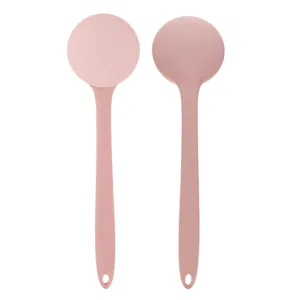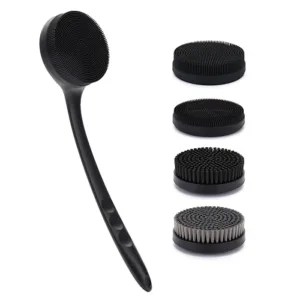
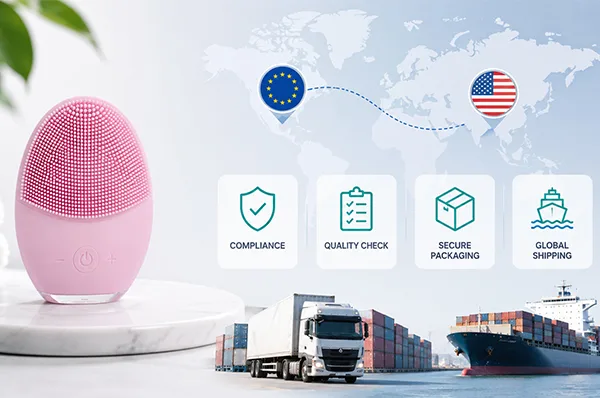
Global market demand for silicone face scrubber products is growing because end-users demand sanitary, reusable, and gentle products compared to traditional cleansing appliances. For beauty companies, wholesalers, distributors, retailers and private label skin care companies, importing silicone face scrubbers from international suppliers (especially China) can reduce product cost and allows for higher degrees of product customization.
But it is not easy for beauty accessory importers to get a supplier and make an order to import beauty accessories into the European Union (EU) and the United States (US). Importers (especially those with less experience) can encounter surprising problems during importing regarding compliance, product quality, custom clearance, packaging regulations, logistics, and suppliers themselves.
For even seasoned importers, they can experience significant and expensive delays, product rejections, customer complaints or legal problems if adequate care is not taken. This guide will review the most frequent pitfalls in importing silicone face scrubber products into the EU and US and provide practical steps that businesses can take to avoid them while developing a secure and lucrative supply chain.
The Importance of Import Compliance is Greater Than Ever
Consumers in both Europe and North America are increasingly worried about:
- Product safety
- Material quality
- Sustainability
- Chemical exposure
- Ethical manufacturing
As such, requirements are becoming more stringent for imported consumer products, led by the authorities.
Non-compliant silicone face scrubber may result in:
- Customs detention
- Product recalls
- Marketplace suspension
- Fines and legal penalties
- Brand reputation damage
Knowing the potential risks before importing is crucial.
Pitfall #1: Choosing the Supplier Based on Lowest Quotation Only
- Low grade silicone materials
- Lack of quality control
- Small manufacturing capacity
- Unstable supply chain
- Inexperienced export team
Many buyers will realize all these problems only after placing bulk orders.
Solution to the problem
You should take suppliers’ evaluation as follows:
- Manufacturing experience
- Quality certifications
- Factory audits
- Export history
- Communication speed
- Client reviews
A reliable supplier is the one which gives you value over long term, not just the lowest price.
Pitfall #2: Overlooking Silicone Material Certifications
Not all silicone is safe to use for skin applications. The reason why you have to be cautious of this fact is that when a silicone face scrubber is in direct contact with facial skin, the safety of the materials is crucial. Unfortunately, some companies may resort to the use of a cheaper quality silicone to cut down costs, which will often cause:
- Bad odor
- Irritating skin
- Poor quality durability and eventually customer complaint
Certificates to Require from Supplier:
For EU and US, we would require these certificates from suppliers: FDA reports, LFGB reports, REACH reports, RoHS reports and safety reports. These documents help verify that the silicone used is suitable for consumer products.
Pitfall #3: Unaware of EU and US Regulations
- REACH regulations
- General Product Safety Regulation (GPSR)
- Packaging regulations
- Environmental labeling rules
US Market Expectations to be taken into account by an importer:
- FDA-related material expectations
- Chemical regulations in certain US states
- Product labeling rules
- Consumer safety rules
The lack of awareness of each market can hold up entry.
Pitfall #4: Forgoing Product Testing Prior to Mass Production
- Silicone softness
- Odour of the material
- Quality of the texture
- Durability of the item
- Defects in the manufacture
Solution:
It is recommended to always obtain samples:
Standard Samples: to determine the general quality of the item
Custom Samples: to determine that brand name, colors and packaging are correct
Pre-Production Samples: to ensure all of the final details for production are precise before bulk manufacturing commences
It is very seldom that professional buyers forgo sampling the product prior to proceeding with production.
Pitfall #5: Ignoring Packaging Compliance
- Failure to mark country of origin
- Incorrect warning labels
- Missing information on importer of the product
- Incorrect environmental logos
These might lead to custom inspection or rejections by retailers.
What Packaging should Contain:
- Product name
- Materials used for the product
- Information on the manufacturer
- Information on the importer
- User instruction
- Safety precautions
The more transparency, the greater compliance.
Pitfall #6: Bad Quality Control in the Production Phase
When production quality issues are caught after shipment, they can be extremely costly.
Frequent production quality problems:
- Inconsistent texture of silicone material
- Incorrect color matching
- Weak logo printing
- Flash around edges of product
- Packaging issues
When inspection procedures aren’t in place, these problems can potentially impact thousands of units.
Suggested Quality Control Procedure
Randomly sample goods before they depart the factory.
Pitfall #7: No Agreement as to OEM vs ODM Expectations
Many buyers have very little idea of the meaning of the acronyms of OEM and ODM manufacturing.
OEM Production- The buyer is responsible for: Specifications for the product, product design, and branding.
ODM Production- The manufacturer provides: Mold(s) and existing design(s) of a product; also, technical support for product development.
Not clearing up these expectations will result in: confusion about:
- Tooling costs
- Ownership of the product design
- Lead times
- Product exclusiveness
Pitfall #8: Forecasting of Demand is incorrect
Ordering Too Little
Leading to:
- Stock shortages
- Lost sales
- More expensive shipping.
Ordering Too Much
Leading to:
- Excess stock
- Higher storage costs
- Cash flow problems
A professional importer always weighs the inventory planning against a realistic estimate of the market demand.
Pitfall #9: Not factoring in Shipping Times
Most purchasers look only at production times. Delivery times will be heavily impacted by shipping. The average transit times are shown below:
| Method | Transit Time |
|---|---|
| Express Courier | 3–7 Days |
| Air Freight | 7–15 Days |
| Sea Freight | 25–45 Days |
Unexpected delays are possible due to congestion at ports, customs inspection, adverse weather conditions or peak demand. All importers should factor in some buffer time.
Pitfall #10: Bad Communication with Suppliers
Bad communication is another of the main culprits of importing problems. These types of misunderstandings often include:
- Product specifications
- Colors
- Packaging information
- Delivery schedules
Best Practices
Use written specifications, technical drawings, Pantone reference numbers and photographs of the products. Documenting your needs will significantly decrease the number of errors during the production process.
Pitfall #11: Failure to Protect Intellectual Property
Many beauty brands invest extensively in:
- Product development
- Packaging design
- Brand concept
By not protecting Intellectual property businesses are exposed to risk of their brand being copied.
Best practices:
- Trademark registration
- Design protection
- Non-disclosure agreements (NDAs)
- Manufacturing agreements
These steps help protect brand investments.
Pitfall #12: Over Emphasis on Initial Order
- Mass production
- Seasonal peak loads
- Product consistency
Supplier must be chosen by its ability to sustain growth of your business.
Sustainability Problems Faced by Contemporary Importers
Nowadays, customers tend to choose greener beauty products.
Importers should check:
Quality of Silicone Products
Quality silicone products:
- last longer
- last better
- produce less waste
Sustainable Packaging options
Preferred packaging options:
- Paper box (recycled and recyclable)
- Soy ink usage
- No plastic usage
Sustainability can be considered a key competitive advantage in EU and US markets.
Importance of Supplier Audits
Supplier audits assist buyers in verifying the following:
- Manufacturing capabilities
- Quality management systems
- Experience in exporting
- Production capacity
Audit process eliminates risks before making purchases.
The following aspects need to be considered:
- Production facilities
- Quality processes
- Training of workers
- Raw material sources
- Compliance documentation
Why More Importers Are Choosing Beaut-Lohas
We at Beaut-Lohas know the problems that face beauty manufacturers when it comes to the import of silicone products.
Benefits of manufacturing from us:
High-Quality Silicone Material
- Soft silicone material
- Formulas safe for skin
- Durable and long-lasting
OEM and ODM Manufacturing
- Custom-made molds
- Private label products
- Personalized packaging
Quality Control
- Materials inspection
- Process inspection
- Product certification
Exporting Experience
We serve customers from:
- USA
- Canada
- Germany
- France
- UK
- Australia
Punctual Delivery Schedule
Properly planning our production helps our customers keep a steady stock.
Silicone Face Scrubber Importation Checklist
When preparing to order, ensure you have verified:
- Material certification
- Background of supplier
- Sample products
- Compliance with packaging requirements
- Quality control measures
- Manufacturing capacity
- Shipping dates
- Intellectual property protections
- OEM/ODM needs
- Sufficient long-term supply capacity
Such a checklist will help minimize potential import issues.
Conclusion
Importing silicone face scrubber products into Europe and America is an exciting proposition for beauty companies, wholesalers, and private labels. But it requires learning from the most common sourcing mistakes, regulatory issues, and shipping challenges to be successful.
The most successful importers always take into consideration:
- Product quality
- Compliance with regulations
- Reliable suppliers
- Testing of products
- Clear communication
- Sustainable relationships
By employing all best import practices discussed in this guide, businesses will be able to minimize their risks, enhance profits, and create a sustainable competitive advantage.
Those companies interested in manufacturing partners, should consider our expertise at Beaut-Lohas in providing full-range OEM and ODM services, strict quality control systems, and export support for importing silicone face scrubber products into international markets.