Silicone Baking Mats
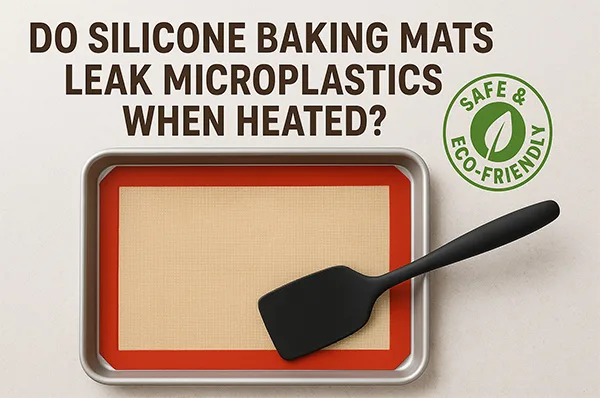
Silicone baking mats have become a modern kitchen staple for home bakers and professionals alike. Their non-stick surface, heat resistance, and reusability make them an eco-friendly alternative to disposable parchment paper and aluminum foil. However, with the growing concern about microplastics and food safety, many consumers are asking an important question:
👉 Do silicone baking mats release microplastics when heated?
To answer this, we need to look closely at what silicone is made of, how it behaves under heat, and what current scientific studies say about its safety.
What Are Silicone Baking Mats Made Of?
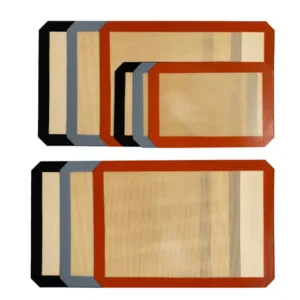
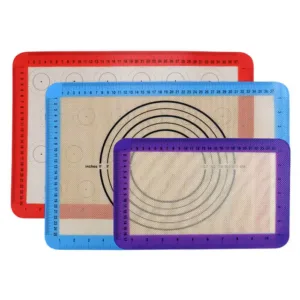
A silicone baking mat is typically made from food-grade silicone reinforced with a fiberglass mesh. Silicone itself is a synthetic polymer derived from silicon, oxygen, carbon, and hydrogen—not the same as plastic, even though the two materials are sometimes confused.
Unlike petroleum-based plastics, silicone is inorganic in its backbone structure. This means it does not contain the carbon-based polymers that make plastics vulnerable to breaking down into microplastics. Instead, silicone has a stable Si–O (silicon-oxygen) chain that gives it flexibility, durability, and thermal stability.
The Concern About Microplastics
Microplastics are tiny plastic particles (less than 5 millimeters) that form when plastic materials degrade over time due to heat, friction, or UV exposure. When these particles enter the environment—or worse, our food—they can pose risks to human health and ecosystems.
Because silicone feels and behaves like a soft, rubbery plastic, some people worry that it might also break down into microplastics when exposed to high oven temperatures. However, scientific evidence suggests otherwise.
Do Silicone Baking Mats Release Microplastics?
1. Silicone Is Not Plastic
The most important point to understand is that silicone is not a plastic. While both materials are polymers, their molecular structures are very different. Plastic polymers are organic and carbon-based, whereas silicone polymers are inorganic and silica-based, more similar to glass or sand in their chemical composition.
As a result, silicone does not shed microplastics like polyethylene or polypropylene plastics do. Under normal cooking or baking temperatures, a high-quality silicone baking mat remains stable and intact without releasing small particles or harmful residues.
2. Thermal Stability and Heat Resistance
Most food-grade silicone baking mats are rated to withstand temperatures up to 480°F (250°C). This is well above the temperature used for most baking recipes, such as cookies (350°F) or bread (400°F).
When used within this temperature range, silicone does not melt, decompose, or leach chemicals into food. Laboratory tests on silicone cookware and bakeware have consistently shown negligible or no migration of compounds into food, even after repeated heating.
However, when silicone is exposed to temperatures beyond its rated limit or placed directly on open flames, it can start to degrade. But even then, it tends to char or become brittle, not break down into microplastic-like fragments.
3. Scientific Evidence and Safety Studies
Several studies have examined whether silicone cookware releases harmful substances. Most found that food-grade silicone is chemically stable and safe under normal cooking conditions.
For instance:
A study published in Food Additives & Contaminants found that volatile organic compounds (VOCs) and siloxane residues released from silicone were extremely low and well within international safety limits.
Another report from the German Federal Institute for Risk Assessment (BfR) concluded that high-quality silicone bakeware poses no health risk when used correctly.
These findings support the idea that silicone baking mats do not leach microplastics or harmful substances when heated properly.
Possible Exceptions: Low-Quality or Non–Food-Grade Silicone
While genuine, FDA-approved food-grade silicone is safe, cheap or counterfeit silicone products may not meet the same standards. Some low-cost mats might contain plastic fillers or non-silicone additives to cut costs. These impurities could potentially degrade or release unwanted compounds when exposed to heat.
How to Identify High-Quality Silicone Baking Mats:
Check Certifications – Look for FDA, LFGB, or SGS certification labels that verify food safety compliance.
Perform the Pinch Test – Bend or twist the silicone; if it shows white streaks, it may contain fillers. Pure silicone remains uniformly colored.
Avoid Odor – High-quality silicone should have little to no chemical smell when new or when heated.
Buy from Reputable Brands or Factories – Choose suppliers that specialize in custom and wholesale silicone kitchenware with strict quality control.
The Role of Fiberglass in Silicone Baking Mats
You might notice that many silicone baking mats include a fiberglass mesh core for strength and even heat distribution. Some people worry that the fiberglass might leak or shed particles, but this is not a concern when the mat is intact.
The fiberglass layer is completely encapsulated in silicone, which acts as a protective barrier. As long as the surface of your mat is not torn or severely worn out, the fiberglass will never come into contact with your food.
If a mat becomes cracked, cut, or discolored over time, it’s best to replace it—not because of microplastic release, but to maintain hygiene and performance.
Environmental Impact: Silicone vs. Plastic
One of the greatest advantages of silicone baking mats is their environmental sustainability compared to disposable plastic or paper alternatives.
Reusable: A single silicone baking mat can replace hundreds of rolls of parchment paper or aluminum foil.
Reduced Waste: Fewer disposable products mean less landfill waste and lower carbon footprint.
Long Lifespan: High-quality silicone products can last for years before needing replacement.
Although silicone is not biodegradable, it is recyclable in specialized facilities, and because it doesn’t fragment like plastic, it doesn’t contribute to microplastic pollution.
Best Practices for Safe Use
To ensure your silicone baking mats remain safe, long-lasting, and microplastic-free, follow these simple guidelines:
Stay Within Temperature Limits – Never exceed the manufacturer’s recommended maximum (usually 480°F).
Avoid Direct Flames or Broilers – Silicone can burn if exposed to open flames or heating elements.
Do Not Cut or Pierce the Mat – Damaging the silicone layer may expose the fiberglass mesh inside.
Clean Gently – Wash with warm, soapy water or place in the dishwasher. Avoid harsh scrubbers.
Store Flat or Rolled – Keep the mat smooth to prevent creasing or deformation.
The Final Verdict
So, do silicone baking mats leak microplastics when heated?
👉 The short answer is no—high-quality, food-grade silicone baking mats do not release microplastics when used properly.
Silicone is a chemically stable, heat-resistant material that differs fundamentally from plastics. When used within safe temperature limits, it does not break down into microplastics or harmful particles.
However, consumers should be cautious about cheap, non-certified products, which may contain fillers or contaminants that compromise their integrity. Always choose reliable suppliers or manufacturers that offer certified, customizable, and wholesale-quality silicone kitchen utensils.
By selecting durable, food-safe silicone baking mats, you not only protect your health but also make an environmentally responsible choice—reducing waste and avoiding the very microplastics you’re concerned about.
In Summary:
✅ Silicone is not plastic and does not produce microplastics.
✅ Food-grade silicone baking mats are stable and safe up to 480°F.
✅ High-quality, certified products ensure no harmful leaching or particle release.
✅ Reusable and sustainable, reducing single-use waste and environmental impact.
⚠️ Avoid low-grade silicone with fillers or plastic content.
Silicone baking mats remain one of the safest, most efficient, and eco-friendly baking tools available—combining performance, sustainability, and peace of mind in every batch you bake.