- Have any questions?
- +86 19574832024
- admin@beaut-lohas.com

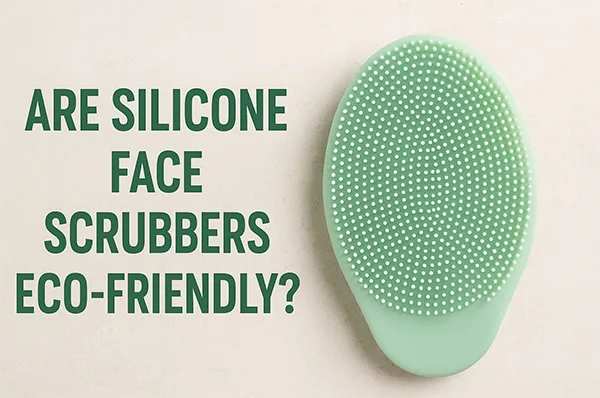
Silicone Face Scrubbers
Sustainability is a key issue for the beauty industry and it is reaping its benefits as many consumers start to evaluate their daily skin care product use. Among these items, silicone face scrubbers are seen as a preferable choice over disposable wipes and harsh exfoliation tools. Nevertheless, the ever-important question persists: should we consider silicone face scrubbers eco-friendly and recyclable?
Let’s examine closely the properties of silicone, its advantages and disadvantages over other materials, and finally, its applicability as environment-friendly product.
What Is a Silicone Face Scrubber?
Silicone face scrubber is a cleansing gadget made of medical-grade or food-grade silicone that gently exfoliates the skin on your face by removing dirt, oil, and dead skin cells. The bristles of the scrubber are soft, flexible, and penetrate the pores deeply without causing any irritation to the sensitive skin. Silicone scrubbers are a lot more durable than nylon-bristle brushes or disposable wipes when taking proper care.
These scrubbers are water-resistant, quick to dry, and naturally prevent bacteria from growing so they are always hygienic and low-maintenance for daily use.
What Makes Silicone Different From Plastic?
Although silicone and plastic may look similar, they are fundamentally different materials in terms of composition, durability, and environmental impact.
-
Silicone is not plastic. It is made from silica (sand), oxygen, carbon, and hydrogen — a combination that gives it both flexibility and heat resistance.
-
Plastic, on the other hand, is derived from petroleum, which is non-renewable and releases harmful toxins during production and decomposition.
Silicone has a much longer life span than plastic, meaning fewer replacements and less waste in the long term.
Are Silicone Face Scrubbers Recyclable?
This is where things become slightly difficult. In a technical sense, indeed — silicone is recyclable, yet it cannot be done through the regular home recycling systems.
♻️ Recycling of Type required
Silicone is not accepted in the majority of recycling facilities that are located in curbsides. This is due to the fact that it requires specialized recycling centers that can handle high-temperature materials. The end products of this process are either the reusable oil or the materials for industrial applications.
But still, there are not many cities having such facilities so most silicone products after use just go to landfills.
✅ More Eco-Friendly than Single-Use Products
Silicone face scrubbers may not be accepted for recycling in most places yet, but they still are the best choice among disposable cleansing wipes, cotton pads, and plastic brushes. The reason? They can withstand hundreds to a thousand usages without showing any signs of wear or losing the ability to perform.
With just one silicone face scrubber, you can easily do away with the need for dozens of plastic brushes or hundreds of single-use wipes, thereby cutting down waste tremendously.
Environmental Advantages of Silicone Face Scrubbers
Let’s explore why many eco-conscious consumers and skincare brands consider silicone scrubbers a step in the right direction.
🌿 1. Durability and Reusability
Silicone is extremely durable — it doesn’t crack, harden, or degrade easily. This means your face scrubber can last for years, reducing the frequency of replacements and minimizing waste generation.
💧 2. Less Water and Product Waste
Silicone’s smooth, non-porous surface helps create a rich lather with less cleanser, allowing you to use smaller amounts of skincare product and save water while rinsing.
🦠 3. Hygienic and Antimicrobial
Unlike traditional brushes that trap dirt and bacteria, silicone naturally resists microbial buildup. This not only keeps your skin cleaner but also reduces the need for frequent replacements.
🌎 4. Non-Toxic and Safe
High-quality, food-grade silicone is BPA-free, phthalate-free, and doesn’t leach harmful chemicals into the environment — even when exposed to heat.
🌸 5. Lower Carbon Footprint Over Time
While the initial production of silicone does require energy, its long lifespan and reusability make its overall carbon footprint smaller than that of single-use products or low-quality plastic brushes.
Are Silicone Face Scrubbers Biodegradable?
This is an important distinction: Silicone is not biodegradable.
That means it won’t naturally break down in soil or water like some organic materials (for example, bamboo). However, unlike plastic, silicone does not break down into harmful microplastics or release toxic chemicals as it ages.
Instead, it remains chemically stable — meaning it won’t pollute ecosystems in the same way plastic does. While it won’t disappear quickly, it’s also less harmful to the environment during its life cycle.
How to Dispose of a Silicone Face Scrubber Responsibly
If your silicone face scrubber has finally reached the end of its life, here are a few responsible ways to handle it:
-
Check for Local Recycling Programs
Some specialized facilities or sustainability programs accept silicone products for recycling. You can contact your local recycling center to ask if they take silicone materials. -
Mail-In Recycling Programs
Certain eco-friendly companies (like Terracycle) offer mail-in programs for silicone items. You can send used scrubbers to these companies for proper processing. -
Upcycle It!
Silicone is flexible and durable — old scrubbers can be repurposed for cleaning makeup brushes, scrubbing dishes, or polishing jewelry. -
Choose Quality from the Start
Buying a high-quality, long-lasting silicone face scrubber from a reputable manufacturer ensures fewer replacements and less waste overall.
Silicone vs. Other “Eco” Materials
It’s common to see bamboo or natural-fiber brushes marketed as “eco-friendly.” While these can be sustainable, they often wear out faster, require frequent replacement, and can trap bacteria.
In comparison:
-
Bamboo brushes – biodegradable but may harbor bacteria due to absorbent fibers.
-
Plastic brushes – short lifespan, non-recyclable, and create microplastic pollution.
-
Silicone scrubbers – long-lasting, non-toxic, and resistant to bacteria.
When you evaluate the full product lifecycle, silicone stands out as a low-waste, high-performance option that bridges the gap between sustainability and functionality.
The Bigger Picture: Sustainable Beauty Habits
Choosing eco-friendly tools like silicone face scrubbers is only part of the equation. To build a more sustainable skincare routine:
-
Use refillable or recyclable packaging for cleansers and toners.
-
Avoid microbeads and other harmful exfoliating ingredients.
-
Support brands that prioritize ethical manufacturing and recyclable materials.
-
Practice minimalism — buy fewer, better-quality products that last.
Small steps like these collectively reduce waste and environmental impact.
Final Thoughts: Are Silicone Face Scrubbers Eco-Friendly?
The short answer is yes — silicone face scrubbers are eco-friendly in many ways, even if they’re not perfect.
✅ They last for years, reducing waste.
✅ They don’t shed microplastics or release toxins.
✅ They help minimize product and water waste.
❌ But they are not biodegradable and require specialized recycling.
Overall, silicone face scrubbers are one of the most sustainable and hygienic skincare tools available today. Their combination of durability, safety, and reusability makes them a smart choice for consumers who want both clean skin and a cleaner planet.
So next time you pick up your skincare tools, remember — a small switch to a high-quality silicone face scrubber can make a lasting impact on your beauty routine and the environment. 🌍💚