- Have any questions?
- +86 19574832024
- admin@beaut-lohas.com

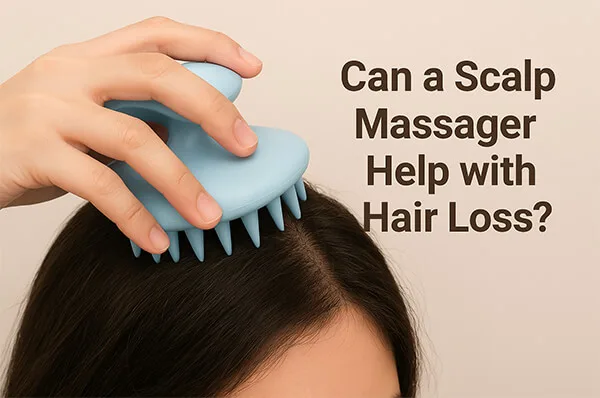
Scalp Massager for Hair Loss
Hair loss is a serious concern, whether it concerns men or women. Because of whatever thinning can precede genetical causes or act as an impetus from stress, emotional imbalance, and simply living factors into concerned matters of confidence at a personal level. With the sales of all medicines that promise to offer the customer with thicker and fuller hair, a simple tool-the scalp massager-has recently gained much attention.
Does the scalp massager alleviate the problem behind hair loss? Or is it just another wellness fad? This article goes into the science, benefits, testimonials, and instruction for the use of such a little device to promote hair health.
Understanding Hair Loss
Before hair loss therapies came into play, the causes of hair loss should be understood. Among some of the most common causes are:
Genetics – The treatment of androgenetic alopecia is the most common disease that results in thinning of hair.
Hormonal Changes – Pregnancy, menopause, and thyroid disorders can make a person lose hair either temporarily or permanently.
Stress and Lifestyle – High stress levels, poor nutrition, and lack of proper sleep lead to weak hair follicles.
Scalp Conditions – Dandruff, seborrheic dermatitis, or product buildup can clog follicles and stunt growth.
Poor Blood Circulation – Weak circulation can leave hair follicle cells deprived of adequate nourishment and oxygen.
Depending on the method applied, many treatments aim to target one or more of these causes. Scalp massagers are mostly concerned with stimulating poor blood flow and improving scalp health—two major considerations for hair growth.
What is a Scalp Massager?
One can describe massagers for the scalp as tools that stimulate the scalp using gentle and subtle pressure and motion. These include different types, such as:
- Manual Silicone Scalp Massagers with soft flexible bristles that massage the scalp when glided in circular motions.
-
Electric Scalp Massagers – Battery-powered devices that vibrate or rotate to provide a more intense massage experience.
-
Specialized Applicator Massagers – Some models include compartments for applying shampoo, oils, or treatments while massaging.
Unlike harsh brushes or nails, scalp massagers are specifically created to be gentle while promoting circulation and relaxation.
How Scalp Massagers May Help with Hair Loss
1. Improved Blood Circulation
The most cited benefit of scalp massage is its ability to stimulate blood flow. Studies suggest that regular massage increases circulation to the scalp, allowing more oxygen and nutrients to reach hair follicles. This can strengthen roots and create an environment that supports healthy growth.
2. Reduced Stress Levels
Stress is a well-known trigger for hair loss, especially telogen effluvium (temporary shedding). A scalp massager not only feels soothing but also reduces stress hormones, potentially lowering stress-related hair loss.
3. Strengthening Hair Follicles
Massage may increase the thickness of the dermal papilla cells, which play a vital role in hair follicle development and cycling. Stronger follicles are less prone to shedding.
4. Removing Buildup and Sebum
Excess oil, dandruff, and styling products can block hair follicles. A scalp massager helps exfoliate the scalp and remove buildup, improving follicle function and promoting a cleaner, healthier scalp.
5. Enhanced Absorption of Treatments
When combined with hair oils or serums, a scalp massager improves penetration, making topical treatments more effective. This is especially useful for products containing minoxidil, essential oils, or peptides.
What Science Says
Several studies have explored scalp massage for hair health. A notable 2016 study in Eplasty examined men who performed a 4-minute scalp massage daily for 24 weeks. The results showed an increase in hair thickness, suggesting that consistent massage may positively influence hair density.
While more research is needed to confirm its role in reversing severe hair loss, evidence supports the idea that scalp massage improves scalp condition, which indirectly supports healthier hair.
Real-Life Experiences
Many individuals report positive experiences with scalp massagers:
-
Thicker-Looking Hair – Some notice that hair feels fuller and stronger after months of regular use.
-
Reduced Itchiness and Flaking – The exfoliating effect helps people with dandruff or buildup.
-
Relaxation – Users often describe the massage as calming, reducing tension after a long day.
Of course, not everyone experiences regrowth. For people with advanced genetic hair loss, a scalp massager may not reverse baldness but can still support scalp health and complement other treatments.
How to Use a Scalp Massager for Hair Loss
-
Frequency – Aim for 4–10 minutes per session, at least 3–4 times a week.
-
Technique – Use gentle, circular motions across the entire scalp, avoiding harsh pressure that could cause breakage.
-
Dry or Wet – Massagers can be used on dry hair or during shampooing for added cleansing benefits.
-
With Oils or Treatments – Pairing with rosemary oil, peppermint oil, or medicated scalp solutions can enhance results.
-
Consistency is Key – Like any hair care routine, results take time. Visible benefits may appear after 3–6 months.
Pros and Cons of Scalp Massagers
Pros:
-
Affordable and easy to use
-
Improves scalp circulation
-
Helps reduce stress
-
Can be combined with other hair treatments
-
Supports overall scalp health
Cons:
-
Results vary from person to person
-
May not reverse advanced baldness
-
Overuse or aggressive pressure can irritate the scalp
Final Thoughts
So, can a scalp massager help with hair loss? The answer is: it can support hair health, but it’s not a miracle cure. By stimulating blood flow, reducing stress, and improving scalp condition, scalp massagers create an environment where hair can grow stronger and healthier.
For people experiencing mild shedding or looking to complement medical treatments, a scalp massager can be a valuable tool. While it may not completely stop genetic baldness, it offers relaxation, improved scalp hygiene, and potential long-term benefits for hair density.
If you’re dealing with severe or persistent hair loss, it’s always wise to consult a dermatologist or trichologist. But for those seeking a natural, low-cost addition to their routine, the humble scalp massager might be worth the try.