- Have any questions?
- +86 19574832024
- admin@beaut-lohas.com

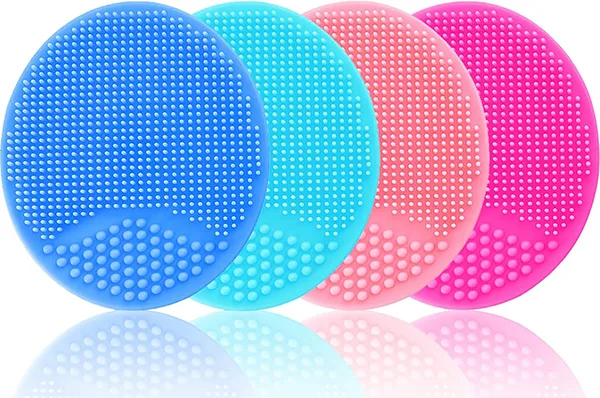
Silicone Face Scrubbers
The global beauty tools market has grown rapidly in recent years, and facial cleansing tools such as silicone face scrubbers are becoming essential products for skincare brands, retailers, and private-label sellers. In Western markets—especially in North America and Europe—brands typically position their products in one of two primary categories: premium or budget.
The ability to position silicone face scrubbers in their respective market segments creates an effect which determines both pricing control and customer product assessment and total revenue generation. For B2B buyers and private-label brands sourcing from beaut-lohas.com, choosing the right positioning strategy is a crucial step in building a competitive skincare product line.
The article investigates the distinctions between premium and budget positioning strategies which Western face scrubber markets use while offering brands with sustainable growth strategies.
Understanding the Western Face Scrubber Market Landscape
Western consumers have access to a wide variety of facial cleansing tools, including:
-
Silicone face scrubbers
-
Electric facial cleansing brushes
-
Konjac sponges
-
Microfiber cleansing pads
-
Manual exfoliating brushes
Silicone face scrubbers display their unique value because they combine long-lasting performance with their ability to maintain cleanliness and their ability to serve multiple purposes. The same product type can be marketed at different price levels because of various factors which include branding and packaging and the public’s assessment of value.
Face scrubbers found on major platforms such as Amazon and Sephora and independent skincare stores appear in two main categories which define their market position:
-
Premium skincare tools
-
Budget-friendly everyday tools
Both strategies can achieve success. However, they need different methods for handling products and developing marketing campaigns.
Characteristics of Premium Face Scrubber Positioning
Premium positioning focuses on quality perception, brand storytelling, and lifestyle value rather than just functional benefits.
1. Elevated Material Perception
Most silicone scrubbers use the same basic materials, but premium brands choose:
-
Food-grade or medical-grade silicone
-
Dermatologist-tested materials
-
Hypoallergenic and skin-safe certifications
These claims reinforce trust and justify higher price points.
2. Sophisticated Product Design
Premium beauty tools require designers to create products that include:
-
Ergonomic grip shapes
-
Dual-texture surfaces
-
Modern minimalist aesthetics
-
Carefully selected color palettes
Western consumers who want a spa-like skincare experience prefer soft beige and sage green and matte black colors.
3. Lifestyle-Oriented Branding
Premium brands rarely focus only on cleansing performance. Instead, they integrate the product into a broader lifestyle narrative.
The brand messages include:
-
Self-care rituals
-
Skin barrier protection
-
Minimalist skincare routines
-
Sustainable beauty practices
Visual storytelling through bathroom lifestyle photography establishes premium image.
4. High-Quality Packaging
Packaging serves as the primary visual element that establishes premium brand status.
Common premium packaging features include:
-
Rigid boxes or magnetic closures
-
Minimalist typography
-
Recyclable kraft packaging with elegant printing
-
Clean brand storytelling inserts
Premium packaging improves unboxing experience which has grown in significance for e-commerce and social media platforms.
5. Strategic Pricing
Western markets sell premium silicone face scrubbers at prices between $10 and $25 which depend on the product’s branding and packaging design.
Consumers purchasing at this level expect:
-
High perceived quality
-
Strong brand identity
-
Attractive packaging
-
Clear skincare benefits
Characteristics of Budget Face Scrubber Positioning
Budget positioning focuses primarily on accessibility, practicality, and price competitiveness.
These products are commonly sold in:
-
Supermarkets
-
Drugstores
-
Online marketplaces
-
Discount retail chains
1. Simple Product Design
Budget scrubbers typically have straightforward designs:
-
Basic round or oval shapes
-
Single-texture silicone surfaces
-
Bright or generic colors
While functionality remains acceptable, design refinement is minimal to keep production costs low.
2. Cost-Efficient Packaging
Budget products often use:
-
Transparent plastic bags
-
Simple blister packs
-
Minimal branding
This approach reduces packaging costs and allows retailers to maintain lower shelf prices.
3. Bulk and Multi-Pack Sales
Budget positioning often benefits from volume-based sales strategies, such as:
-
2-pack or 3-pack bundles
-
Assorted color sets
-
Value packs for families
These bundles appeal to price-sensitive consumers looking for everyday utility products.
4. Competitive Pricing
Budget silicone face scrubbers usually retail between $2 and $8.
Success in this segment depends on:
-
Efficient manufacturing
-
Competitive wholesale pricing
-
Strong marketplace distribution
Brands focusing on the budget segment typically rely on high sales volume rather than high margins.
Choosing the Right Strategy for Your Brand
The private-label buyers who source their products from beaut-lohas.com need to choose between premium and budget product options by assessing multiple important elements.
Target Customer Segment
Ask the following questions:
-
Does your target market include people who love skincare products or people who use standard products?
-
Do you sell your products on Amazon and through specialized skincare stores and through mass-market retail outlets?
-
Does your brand prioritize creating a lifestyle image or providing affordable options for customers?
Your audience understanding needs to guide you in choosing between premium and budget positioning options. The audience understanding you developed enables you to select between two business funding options through your premium and budget selection process.
Brand Identity
If your brand emphasizes:
-
Sustainability
-
Minimalist skincare
-
Dermatologist-inspired routines
then premium positioning may be more effective.
If your brand focuses on:
-
Everyday practicality
-
Family-friendly pricing
-
Large retail distribution
then budget positioning may generate stronger sales volume.
Competitive Landscape
Analyzing competitor pricing and branding can reveal gaps in the market.
For example:
-
If many sellers offer low-cost generic scrubbers, a premium product with better design may stand out.
-
If the premium segment is saturated, an affordable yet reliable scrubber could attract value-driven customers.
Hybrid Positioning: The Emerging Middle Ground
Some successful brands combine elements of both strategies, creating “affordable premium” positioning.
Characteristics include:
-
Clean, modern design
-
Simple but eco-friendly packaging
-
Competitive mid-range pricing
This approach targets consumers who want quality without luxury pricing.
For many emerging skincare brands, this hybrid strategy provides the best balance between margin and accessibility.
Customization Opportunities for B2B Buyers
Manufacturers like beaut-lohas.com offer extensive customization options that support both premium and budget positioning.
Examples include:
For Premium Brands
-
Custom molds and ergonomic shapes
-
Pantone color matching
-
Eco-friendly packaging solutions
-
Logo embossing or debossing
For Budget Brands
-
Standard molds with fast production
-
Simple color variations
-
Bulk packaging options
-
Low MOQ production runs
Selecting the right customization strategy ensures the product aligns with your intended market segment.
The Future of Face Scrubber Positioning
The skincare industry is currently undergoing transformation because multiple trends are determining how products should be marketed:
-
Growing demand for sustainable skincare tools
-
Increased interest in minimalist routines
-
Rising popularity of private-label beauty brands
-
Greater emphasis on visual storytelling in e-commerce
Silicone face scrubbers remain well positioned within these trends because they combine practicality, hygiene, and long-term durability.
B2B buyers and brand owners will achieve success when they establish market positions that match their product excellence.
Conclusion
Western markets for face scrubbers use both premium and budget positioning strategies to establish their market presence. Premium brands send their products through channels that offer a high-value experience to customers while creating brand loyalty. Budget brands attract customers through their affordable products which they sell in large quantities.
For private-label buyers sourcing from beaut-lohas.com, the key to success lies in selecting the positioning strategy that aligns with your target audience, distribution channels, and brand story.
Silicone face scrubbers show strong growth potential for beauty tools which will evolve through their entry into the premium skincare market and their development of value-based product lines.