- Have any questions?
- +86 19574832024
- admin@beaut-lohas.com

Silicone Baking Mat
What Is a Silicone Baking Mat?
A silicone baking mat is a flat, flexible mat made from food-grade silicone, often reinforced with fiberglass mesh. It is designed to withstand high temperatures (usually up to 450–480°F or 230–250°C), making it safe for use in the oven. The silicone surface is naturally non-stick, allowing baked goods to release easily without greasing, flouring, or lining your baking sheet with parchment paper.
Silicone baking mats are reusable, eco-friendly alternatives to single-use parchment paper or aluminum foil. They come in various sizes, with some designed to fit half-sheet or full-sheet pans.
Benefits of Using a Silicone Baking Mat
Before diving into the “how-to,” it’s worth understanding why so many bakers swear by this tool:
-
Non-stick surface: No more scraping stuck cookies or pastries off your baking tray.
-
Eco-friendly: Reusable hundreds of times, reducing paper and foil waste.
-
Cost-effective: While the upfront cost may be higher, it saves money in the long run compared to disposable liners.
-
Even baking: Promotes consistent heat distribution, reducing hotspots.
-
Multipurpose: Useful not only for baking cookies but also for kneading dough, roasting vegetables, candy-making, and more.
How to Properly Use a Silicone Baking Mat
1. Place the Mat on a Baking Sheet
A silicone baking mat should never be placed directly on the oven rack. Always place it flat on a sturdy baking sheet or tray. The mat is flexible, so the baking sheet provides stability and ensures even heat circulation.
2. Position the Food on the Mat
Arrange your cookies, pastries, or other items directly on the silicone mat. Unlike parchment paper, you don’t need to grease or flour the surface. The non-stick property of silicone will prevent food from sticking, even with sticky doughs like macarons or caramelized sugar.
3. Adjust Oven Temperature as Usual
You don’t need to alter baking times or temperatures when using a silicone mat. It can handle heat up to around 450–480°F (check manufacturer guidelines). However, avoid using the broiler setting or exposing the mat to direct flames, as this can damage the silicone.
4. Allow to Cool Before Handling
After baking, remove the tray from the oven and let the silicone mat cool for a few minutes before handling. The mat retains heat, so touching it immediately may cause burns.
5. Remove Baked Goods with Ease
Once cooled slightly, cookies and pastries should lift off effortlessly. No spatula scraping or parchment tearing is required. For particularly sticky foods, you can use a silicone spatula to assist.
Other Ways to Use a Silicone Baking Mat
Silicone mats are not limited to cookies. Here are additional creative uses:
-
Roasting Vegetables: Spread chopped vegetables on the mat for even roasting without burnt edges.
-
Candy Making: Perfect for handling caramel, toffee, or chocolate because sugar doesn’t stick to silicone.
-
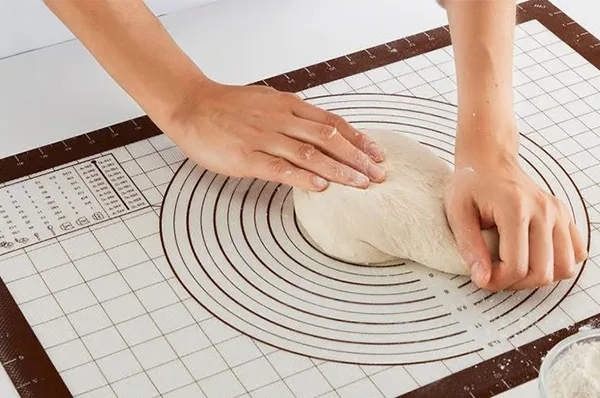
Rolling Dough: Use it as a non-stick surface for rolling out pie crusts, bread, or pizza dough.
-
Freezing: Place fruits or cookie dough balls on the mat, freeze, then transfer them into bags without sticking together.
-
Reheating: Use it for reheating leftovers in the oven without additional oil or paper.
How to Clean a Silicone Baking Mat
Proper cleaning is essential to maintain performance and extend lifespan.
-
Cool Down First: Allow the mat to cool completely before cleaning.
-
Hand Wash with Soap and Warm Water: Use a soft sponge or cloth. Avoid abrasive scrubbing pads, which can damage the surface.
-
Tackle Grease: For stubborn grease, soak in hot water with a bit of lemon juice or vinegar, then wash with soap.
-
Dishwasher-Safe: Most silicone mats are dishwasher-friendly; place them on the top rack.
-
Air Dry: Let the mat dry fully before storing. Do not fold—it should be stored flat or rolled to prevent creasing.
Common Mistakes to Avoid
-
Cutting on the Mat: Never use knives or sharp tools on the surface, as they can slice through the silicone and fiberglass.
-
Exposing to Direct Flame: Keep it away from broilers, grills, or stovetops.
-
Overheating: Do not exceed the manufacturer’s maximum temperature limit.
-
Improper Storage: Folding may cause permanent creases; store flat or rolled instead.
-
Skipping Cleaning: Oily residues left on the mat can cause a sticky feel over time.
How Long Does a Silicone Baking Mat Last?
With proper care, a high-quality silicone baking mat can last for 3–5 years or even longer. Signs that it’s time to replace include discoloration, lingering odors, or a sticky residue that won’t wash off.
Are Silicone Baking Mats Safe?
Yes, food-grade silicone baking mats are safe for use when used according to guidelines. They are BPA-free and FDA-approved. The fiberglass mesh inside provides stability and ensures even heat conduction. Just remember to avoid direct exposure to flames or sharp objects.
Final Thoughts
Any baker may tell you that silicone baking mats have to be one of the most practical baking accessories you can ever own. They sort of take all the hassle out of baking; they keep food from sticking and prevent something so awful-they just forbid wastes. If you are taught well, you will make it last a lifetime: proper use of the silicone baking mat entails placing it on top of a baking sheet, keeping it away from very high heat, and then cleaning it in the right way.
From tiny French macarons to roast vegetables for dinner to bread dough, silicone baking mats offer a simple and easy way to make kitchen work clean. Anyone who wishes to boost baking skills with an eco-friendly and highly economical approach must invest in a silicone baking mat.