- Have any questions?
- +86 19574832024
- admin@beaut-lohas.com

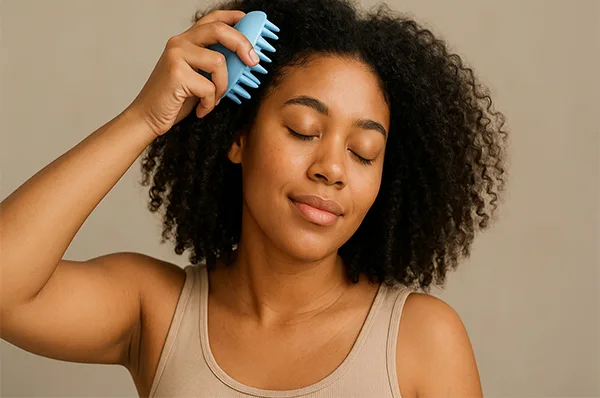
Scalp Massager for Curly or Coily Hair
When it comes to curly and coily hair, scalp care is just as important as moisturizing and styling. Many people with textured hair hesitate to use scalp massagers, fearing that they might cause tangles, frizz, or breakage. However, when used correctly, a scalp massager can become one of the most beneficial tools in your hair care routine — helping to promote growth, improve scalp health, and enhance relaxation.
This guide will walk you through why scalp massage is great for curly and coily hair, how to use it safely, and what to avoid to keep your curls healthy and defined.
💆♀️ Why Curly and Coily Hair Needs Scalp Massage
Curly and coily hair types are naturally prone to dryness. Because of the shape of the hair strand, natural oils from the scalp struggle to travel down the hair shaft, leaving both the scalp and hair ends drier than those with straight hair. A scalp massage helps in several key ways:
-
Boosts blood circulation: Gently stimulating the scalp improves blood flow to hair follicles, encouraging stronger, faster hair growth.
-
Promotes natural oil distribution: Massaging helps move sebum (the scalp’s natural oil) along the roots, providing moisture and shine.
-
Loosens buildup: Oils, styling creams, and gels can clog the scalp over time. Regular massage with a silicone scalp massager helps gently lift product residue and dead skin.
-
Relieves tension: Tight hairstyles like braids or twists can strain the scalp. Massage helps relax those pressure points and reduces soreness.
🪮 Choosing the Right Scalp Massager
Before you begin, it’s important to select a tool that suits curly or coily textures. Not all scalp massagers are created equal.
-
Material: Choose a soft silicone scalp massager rather than one with hard plastic bristles. Silicone is flexible, gentle, and won’t snag or damage your curls.
-
Handle design: Look for an ergonomic, easy-to-grip design that fits comfortably in your palm. This helps you control the pressure and avoid pulling your hair.
-
Waterproof: A waterproof massager is ideal for use in the shower with shampoo or conditioner.
-
Manual vs. electric: Manual scalp brushes offer better control for curly hair, while electric versions may be used occasionally for a deeper massage — just ensure they have soft bristles.
🧴 How to Use a Scalp Massager on Curly or Coily Hair
Step 1: Detangle Your Hair First
Before massaging, gently detangle your hair using your fingers or a wide-tooth comb. This prevents knots and ensures the massager glides smoothly over your scalp.
Step 2: Apply Oil, Shampoo, or Conditioner (Depending on Routine)
You can use a scalp massager during:
-
Pre-wash oil treatment: Apply your favorite hair oil (like jojoba, argan, or castor oil) and use the massager to stimulate the scalp for 5–10 minutes.
-
Shampooing: While washing, use the massager in circular motions to lift dirt, buildup, and excess oil. This provides a deeper cleanse than using your fingertips alone.
-
Conditioning: During deep conditioning, a gentle massage helps products penetrate the scalp and roots more effectively.
Step 3: Massage Gently in Circular Motions
Place the scalp massager on your scalp and move it in small, circular motions. Avoid dragging it through your curls — it’s meant to work on the scalp, not comb through your hair.
Focus on the crown, temples, and nape areas — spots that often collect buildup or tension. Keep pressure light to moderate; aggressive scrubbing can irritate the scalp or cause tangling.
Step 4: Rinse and Style as Usual
If you used oils or shampoo, rinse thoroughly to remove any residue. Gently squeeze out excess water and follow with your normal moisturizing and styling routine.
🌿 Pro Tips for Curly and Coily Hair
-
Frequency: Use your scalp massager 2–3 times a week. Daily use isn’t necessary and might overstimulate your scalp if you’re using oils or treatments.
-
Avoid Dry Brushing: Don’t use the scalp massager on dry, tangled hair. Always apply some form of moisture or oil to reduce friction.
-
Mind Your Protective Styles: If you’re wearing braids, twists, or locs, you can still massage your scalp gently between the parts. Focus on small circular motions over exposed scalp areas.
-
Don’t Overdo Pressure: A light massage is enough to stimulate blood flow. Pressing too hard can cause irritation or flaking.
-
Clean the Massager Regularly: Rinse the silicone bristles with warm water and mild soap after each use to prevent product buildup and bacteria growth.
💖 Benefits You’ll Notice Over Time
Using a scalp massager consistently can lead to visible improvements in both scalp health and hair growth.
-
Healthier, cleaner scalp: Reduced buildup and better oil balance mean fewer flakes and itchiness.
-
Softer, shinier curls: Better sebum distribution makes hair appear glossier and more hydrated.
-
Reduced shedding: Stimulated follicles can strengthen roots, minimizing hair loss.
-
Improved product absorption: Massaging helps oils and treatments penetrate deeply.
-
Stress relief: Many people find scalp massage calming — perfect for a relaxing shower or self-care ritual.
⚠️ Common Mistakes to Avoid
-
Using hard-bristled brushes: Plastic or metal bristles can pull or break curly strands. Stick with soft silicone.
-
Rushing through it: Take your time. A 5-minute massage gives better results than a quick scrub.
-
Neglecting scalp hygiene: Massagers are not a substitute for washing. Keep your scalp and the tool clean.
-
Using too much oil: While oil massages are great, using too much can lead to clogged pores.
-
Ignoring scalp sensitivity: If you feel irritation or redness, reduce frequency or pressure.
✨ Final Thoughts
Curly and coily hair thrives when the scalp is healthy and well-nourished. Incorporating a silicone scalp massager into your wash day or oiling routine can transform your hair care results. It’s not just about cleaning — it’s about stimulating growth, enhancing moisture balance, and improving scalp comfort.
When used correctly, a scalp massager becomes more than a tool — it’s a form of self-care. Whether you’re maintaining your natural curls, protective styles, or transitioning hair, taking a few minutes to massage your scalp can lead to stronger roots, shinier curls, and a more relaxed mind. 🌸