- Have any questions?
- +86 19574832024
- admin@beaut-lohas.com

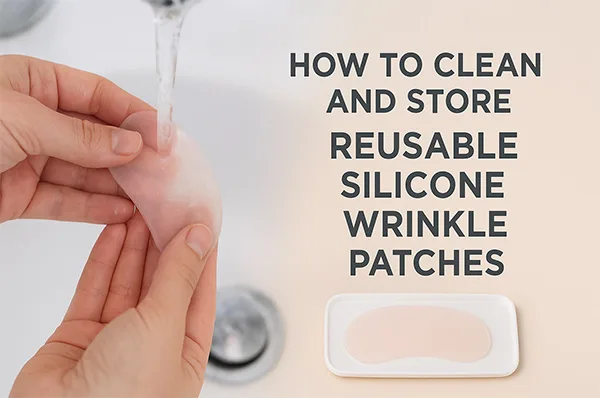
Silicone Wrinkle Patches
Why Cleaning Silicone Wrinkle Patches Matters
Silicone wrinkle patches work best when they adhere smoothly to clean skin. Over time, natural oils, dead skin cells, sweat, and skincare residues can accumulate on the patch surface. This not only reduces adhesion but may also cause irritation or breakouts if bacteria start to build up.
Regular cleaning helps to:
-
Maintain Stickiness: Proper cleaning keeps the adhesive surface free from oil and dust.
-
Prevent Skin Irritation: A clean patch ensures your skin stays healthy and free from bacteria.
-
Extend Product Life: With the right care, most reusable silicone patches can last 10–20 uses, or even longer.
-
Preserve Performance: Clean patches maintain their ability to create a moisture-sealing barrier effectively.
Step-by-Step Guide: How to Clean Silicone Wrinkle Patches
Cleaning silicone wrinkle patches is simple but requires care to avoid damaging their delicate adhesive surface. Here’s how to do it properly:
Step 1: Wash Your Hands First
Before handling your patches, make sure your hands are clean and dry. Oils or dirt from your fingers can easily transfer to the adhesive, reducing its grip.
Step 2: Rinse with Lukewarm Water
Hold the patch under lukewarm running water to remove initial debris and oils. Avoid hot water, as it can damage the silicone surface or affect its adhesion properties.
Step 3: Use a Gentle Cleanser
Apply a mild soap or oil-free cleanser—preferably a gentle facial cleanser or baby shampoo. Avoid alcohol, harsh detergents, or makeup removers, as these can strip the silicone and reduce stickiness.
Gently rub the patch’s sticky side with your fingertips in circular motions. Be very gentle to avoid peeling or scratching the adhesive layer.
Step 4: Rinse Thoroughly
After cleaning, rinse the patch thoroughly with lukewarm water to remove any soap residue. Residue left behind can irritate the skin or make the patch less sticky.
Step 5: Air Dry with Sticky Side Up
Place the patches on a clean, dry surface (like the plastic tray or liner they came with) with the sticky side facing up. Allow them to air dry completely at room temperature.
Do not use a towel, tissue, or paper to dry them—fibers can stick to the adhesive and ruin its texture.
Step 6: Reapply to Storage Sheet
Once the patch is completely dry, carefully reattach it to its original plastic liner or storage sheet. This protects it from dust, lint, and other contaminants until your next use.
How Often Should You Clean Silicone Wrinkle Patches?
Ideally, you should clean your patches after every use. Even if they look clean, invisible oil and sweat residues can accumulate, affecting both adhesion and hygiene.
For overnight users, cleaning the patch in the morning after each use is best practice. If you only use them occasionally, make sure they’re cleaned and fully dry before storing for long periods.
Best Practices for Storing Silicone Wrinkle Patches
Proper storage is just as important as cleaning. Silicone wrinkle patches are sensitive to dust, heat, and humidity—improper storage can shorten their lifespan.
Here are the best ways to store them safely:
1. Use the Original Packaging
Most reusable patches come with a plastic tray or protective film. Always reattach them to this surface after drying. The original packaging is designed to prevent dust buildup and preserve the adhesive.
2. Keep Away from Direct Sunlight
Exposure to sunlight or heat can damage the silicone and degrade its flexibility. Store the patches in a cool, dry place, away from windows or bathrooms with high humidity.
3. Avoid Humid Areas
High humidity can affect the patch’s adhesive layer, making it less sticky over time. Avoid storing them in damp areas like bathrooms or near sinks.
4. Keep Them Flat
Store the patches flat to maintain their shape. Folding or bending can create permanent creases that affect how they adhere to your skin later.
5. Separate by Type or Area
If you use multiple silicone patches (for forehead, under-eye, or neck), store them separately or label them to avoid mix-ups and contamination.
Common Mistakes to Avoid
Even with the best intentions, some cleaning or storage habits can reduce your silicone wrinkle patches’ effectiveness. Avoid these common mistakes:
-
❌ Using alcohol or harsh cleansers: They dry out the silicone and damage the adhesive.
-
❌ Scrubbing too hard: The adhesive surface is delicate—gentle pressure is enough.
-
❌ Skipping cleaning sessions: Skipping even one cleaning can trap oils and bacteria.
-
❌ Drying with a towel or tissue: Fibers can cling to the sticky surface permanently.
-
❌ Leaving them wet in storage: Moisture can cause bacterial growth and odor.
-
❌ Exposing to heat or sunlight: High temperatures can deform silicone and reduce stickiness.
How to Tell When It’s Time to Replace Your Patches
Even with excellent care, reusable silicone wrinkle patches won’t last forever. Here are signs it’s time for a replacement:
-
The adhesive no longer sticks properly.
-
The silicone feels stiff or loses flexibility.
-
Visible discoloration or residue buildup appears.
-
It causes mild skin irritation or no longer gives noticeable results.
For most high-quality brands, you can expect 10–20 uses per patch if properly maintained. Some premium products can even last up to 30 uses with careful cleaning and storage.
Bonus Tips: Maximizing the Lifespan of Your Patches
To get the most out of your investment, follow these additional care tips:
-
Apply on clean, dry skin only. Avoid lotions, oils, or serums before use.
-
Handle edges carefully. Touching the adhesive too often reduces its grip.
-
Store in a dust-free environment. Even microscopic dust can affect stickiness.
-
Clean immediately after use. Don’t let oils sit on the patch for hours.
-
Rotate between multiple sets. This gives each patch time to dry fully and rest.
By adopting these habits, you can maintain your patches’ performance for weeks or even months, saving money and keeping your skincare routine efficient.
The Bottom Line
Reusable silicone wrinkle patches are an easy but very effective skin care routine. However, cleaning and storing properly are crucial if you want to get the most benefits from them. Their lifespan can be prolonged, and their smoothing and hydrating effects can be maintained if you wash them gently with mild soap, let them air dry, and then store them in a cool, dust-free place.
Consider it as skin care for your skin care tool—the more you take care of your silicone wrinkle patches the more they will take care of your skin.