- Have any questions?
- +86 19574832024
- admin@beaut-lohas.com

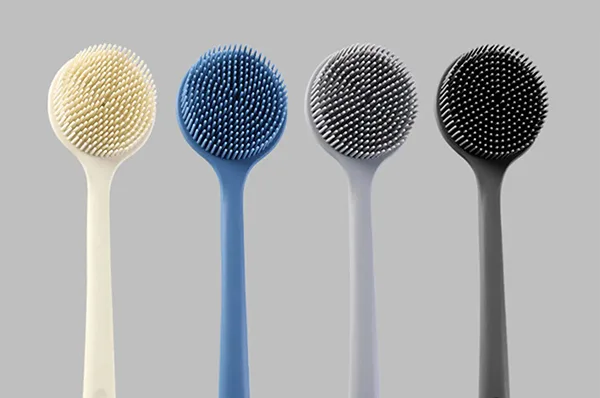
Best Bath Brush
When it comes to care for the body, the one thing often overlooked and hugely effective is the bath brush. Bath brushes help to cleanse and exfoliate the skin, while promoting circulation and relaxation. Yet, they are quite varied and the choice largely depends on your skin type. Selecting the right bath brush means you will be able to enjoy such benefits without irritation or damage. So here we will discuss the different types of bath brushes, their interaction with different skin types, and why the silicone bath brush is an up-and-coming modern option.
The Importance of Matching a Bath Brush to Your Skin Type
Skin varies in texture, oiliness, and sensitivity. Using the wrong bath brush can lead to redness, microtears, or dryness. For example, someone with sensitive skin may find a stiff bristle brush too harsh, while oily skin may benefit from stronger exfoliation. Understanding your skin type is the first step toward making the right decision.
Common Skin Types and Their Needs
- Sensitive Skin
- Characteristics: Easily irritated, prone to redness, may react negatively to rough textures or strong cleansers.
- Best Bath Brush: A soft, silicone-based brush. Silicone bristles are flexible, hypoallergenic, and gentle, making them ideal for sensitive skin. They cleanse without scratching or stripping natural oils.
- Dry Skin
- Characteristics: Flaky, tight, or rough texture that requires hydration and gentle exfoliation.
- Best Bath Brush: A medium-firm natural bristle brush or a silicone scrubber paired with hydrating body wash. Dry brushing before a shower can also stimulate circulation, but over-exfoliation should be avoided.
- Oily or Acne-Prone Skin
- Characteristics: Excess sebum production, clogged pores, body acne.
- Best Bath Brush: A firmer bristle brush or a silicone scrubber with antibacterial properties. These brushes help unclog pores and remove excess oil while maintaining hygiene. Silicone brushes are especially beneficial since they resist bacteria buildup better than natural bristles.
- Combination Skin
- Characteristics: Some areas may be dry (like legs), while others are oily (like back or shoulders).
- Best Bath Brush: A dual-sided brush with one soft side (for gentle areas) and one firmer side (for oily zones). Alternatively, using a silicone brush with flexible bristles provides balance across all areas.
- Normal Skin
- Characteristics: Balanced oil and hydration, not overly sensitive.
- Best Bath Brush: Most brush types work well, but silicone brushes are still recommended for their durability, hygiene, and effective yet gentle scrubbing power.
Types of Bath Brushes
- Natural Bristle Brushes
Traditionally made from boar or plant fibers, these brushes offer firm exfoliation. They are excellent for dry brushing but may feel harsh on delicate skin. They also require careful drying to prevent mold growth. - Synthetic Bristle Brushes
Usually made from nylon, they mimic natural bristles but tend to be less eco-friendly. They are durable but may be too stiff for sensitive users. - Silicone Bath Brushes
Gaining popularity in recent years, silicone bath brushes are flexible, non-porous, and easy to clean. They resist bacteria, last longer than bristle brushes, and are gentle enough for daily use. Many also feature ergonomic handles or dual-function designs for scalp and body care.
Why Silicone Bath Brushes Are a Top Choice
Silicone bath brushes deserve special attention because of their versatility and skin-friendly properties. Here’s why many dermatologists and consumers recommend them:
- Hygienic and Easy to Clean
Unlike natural or synthetic bristles, silicone does not harbor bacteria or mold. A quick rinse keeps it clean. - Gentle Yet Effective
Silicone bristles flex to adapt to your skin’s texture, providing a comfortable massage while exfoliating. - Durability
A high-quality silicone brush can last months or even years without losing effectiveness. - Suitable for All Skin Types
From sensitive to oily, silicone brushes provide balanced care, making them a universal choice. - Versatility
Many silicone brushes double as scalp massagers or even facial scrubbers, making them multifunctional tools for personal care.
How to Use a Bath Brush Effectively
- For Wet Brushing: Use with body wash during a shower. Apply gentle circular motions, focusing on areas prone to oil or buildup.
- For Dry Brushing: Use a bristle brush before showering to stimulate circulation. Always brush toward the heart to promote lymphatic drainage.
- Avoid Over-Exfoliation: Stick to 2–3 times per week for bristle brushes. Silicone brushes, being gentler, can be used daily.
Tips for Choosing the Right Bath Brush
- Match Brush Texture to Skin Sensitivity: Softer bristles for delicate skin, firmer bristles for oily or acne-prone areas.
- Consider Handle Length: Longer handles are ideal for reaching your back.
- Prioritize Hygiene: Silicone brushes are easiest to keep clean and long-lasting.
- Think About Versatility: A brush that doubles as a scalp massager or facial tool can save space and money.
Conclusion
Choosing the perfect bath brush will largely depend on knowing your skin type and matching it with the material and design that fit it best. The soft silicone would be perfect for sensitive skinfulness, while an oily being might require hard exfoliation. Dry skin is much into an annoying feeling of light stimulation before moisturizing. Regardless of skin type, an ideal silicone-bath brush is a modern, hygienic, and durable design. Selecting your brush well could make all the difference in turning daily showers into a rewarding ritual for soothing and nurturing your skin.