- Have any questions?
- +86 19574832024
- admin@beaut-lohas.com

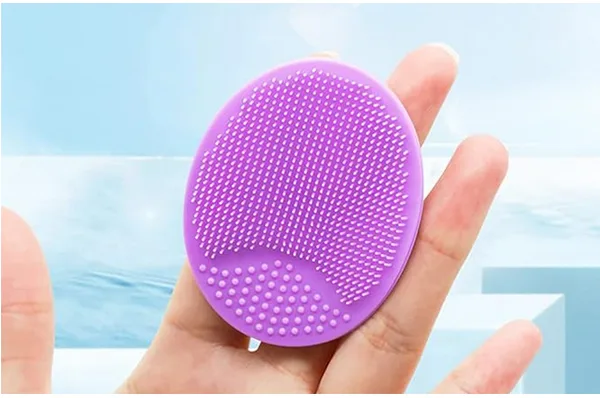
Face Cleansing Brush or Exfoliation
In the world of skincare, two steps often stand out as essentials for maintaining smooth, healthy skin: cleansing and exfoliation. Cleansing removes daily dirt, oil, and makeup residue, while exfoliation targets the buildup of dead skin cells that can make skin appear dull and cause clogged pores. Over the past decade, the market has seen an explosion of tools designed to elevate both steps — from electronic cleansing brushes to silicone face scrubbers and chemical exfoliants.
This leads to a common question: Is a cleansing brush the same as an exfoliating tool? And more importantly, can one replace the other? To answer this, we need to dive into how these tools function, their benefits, limitations, and the role of innovative devices like the silicone face scrubber.
Cleansing vs. Exfoliation: Understanding the Difference
Although they may feel similar, cleansing and exfoliation are distinct skincare processes:
-
Cleansing: Primarily targets surface impurities like dirt, sweat, oil, and makeup. It’s the foundational step of every skincare routine.
-
Exfoliation: Goes a step further to remove dead skin cells that accumulate on the skin’s surface, improving texture, radiance, and product absorption.
In short, cleansing keeps the skin clean, while exfoliation keeps the skin fresh and renewed. Both are important, but they serve different purposes.
Face Cleansing Brushes: What Do They Do?
Face Cleansing brushes, whether traditional bristle-based or modern silicone versions, are tools designed to make face washing more effective. When paired with a gentle cleanser, they:
-
Provide deeper cleansing than hands alone.
-
Help lift away dirt, oil, and makeup residue.
-
Stimulate blood circulation with massaging movements.
-
Leave skin feeling fresh, soft, and revitalized.
However, because face cleansing brushes physically scrub the skin, they also offer a mild exfoliating effect. This is where the confusion often arises: some users feel their skin is smoother after using a cleansing brush and assume it is equivalent to exfoliation.
Exfoliation: Why It’s Different
Exfoliation comes in two forms:
-
Physical exfoliation – using scrubs, beads, or textured tools to physically remove dead skin cells.
-
Chemical exfoliation – using acids like AHAs, BHAs, or enzymes to dissolve and slough away dead skin cells.
Unlike Face cleansing brushes, exfoliation is specifically designed to remove the layer of dead skin, not just dirt or oil. This process improves skin cell turnover and enhances radiance, making it a distinct and necessary step.
Can a Face Cleansing Brush Replace Exfoliation?
The short answer: No, but it depends.
-
Face Cleansing brushes, especially those with firmer bristles, do provide light exfoliation by loosening dead skin cells during cleansing.
-
However, they cannot replace dedicated exfoliation methods — particularly chemical exfoliants that work at a deeper level.
-
Over-relying on Face cleansing brushes for exfoliation can irritate the skin, as they are designed for daily use, while exfoliation should typically be limited to 2–3 times per week.
So, while Face cleansing brushes can complement exfoliation, they do not make it unnecessary.
The Rise of Silicone Face Scrubbers
Among cleansing tools, silicone face scrubbers have become increasingly popular. These handheld or electronic devices feature soft silicone bristles that gently massage and cleanse the skin. They stand out for several reasons:
-
Gentle yet effective: Silicone bristles are softer than nylon bristles, making them suitable even for sensitive skin.
-
Hygienic: Silicone is non-porous and resists bacteria buildup, unlike traditional sponges or loofahs.
-
Durable and eco-friendly: A single silicone face scrubber can last for years with proper care.
-
Dual purpose: Many silicone scrubbers offer both cleansing and light exfoliation in one, bridging the gap between the two steps.
Some advanced models even include vibration or pulsation technology, helping to dislodge impurities while stimulating skin circulation.
Silicone Face Scrubber vs. Traditional Exfoliation
The key question remains: does a silicone face scrubber replace exfoliation?
-
As a cleanser: It excels at deeply cleansing and lightly massaging the skin, leaving it smoother than cleansing with hands alone.
-
As an exfoliator: It provides gentle physical exfoliation, but it cannot fully replicate the results of chemical exfoliants or dedicated scrubs.
Therefore, the silicone face scrubber is best viewed as a hybrid tool — a bridge between cleansing and exfoliation, offering daily maintenance without over-stripping the skin.
Benefits of Combining Both
The best skincare results often come from integrating cleansing brushes and exfoliation in a balanced routine:
-
Daily: Use a silicone face scrubber with your cleanser to keep pores clean and skin smooth.
-
Weekly: Incorporate chemical exfoliation (e.g., glycolic acid, salicylic acid) or a mild physical exfoliant for deeper renewal.
This approach allows you to enjoy the benefits of both without risking irritation or over-exfoliation.
Tips for Safe Use
-
Choose the right tool: Opt for silicone face scrubbers if you have sensitive skin or are concerned about hygiene.
-
Don’t overdo it: Avoid using harsh bristle brushes or exfoliants every day, as this can damage the skin barrier.
-
Listen to your skin: If you experience redness, dryness, or irritation, reduce frequency.
-
Pair with skincare: Always follow exfoliation with hydration — moisturizers, serums, or soothing masks.
Conclusion
Face Cleansing brushes and exfoliation share similarities but are not interchangeable. Cleansing tools like the silicone face scrubber enhance your daily routine by combining deep cleansing with gentle exfoliation. However, they do not eliminate the need for dedicated exfoliation methods, which target deeper layers of dead skin cells and provide more dramatic results.
For the healthiest, most radiant skin, the answer lies in balance: use a silicone face scrubber for daily maintenance, and complement it with weekly exfoliation. Together, they form a skincare duo that keeps your skin clean, smooth, and glowing.