- Have any questions?
- +86 19574832024
- admin@beaut-lohas.com

Electric VS Manual Scalp Massager
Healthy hair is born out of a healthy scalp-one of the most efficient ways to nourish the scalp being massage. Scalp massagers gained trend after having blood circulation benefits and being good for relaxation and hair growth. But there is a common question:: Is an electric scalp massager better than a manual one?
Depending on what your needs are, lifestyle, and what suits you best. Both types of scalp massagers, electric and manual, have different advantages and problems. This article works through their differences and the pros and cons of each and gives special attention to why silicone scalp massagers deserve the spotlight, whether manual or electric.
The Purpose of Scalp Massagers
Before comparing electric and manual types, it’s helpful to understand why people use scalp massagers in the first place.
-
Stimulates blood circulation in the scalp, delivering oxygen and nutrients to hair follicles.
-
Relieves stress and tension, much like a head massage at a spa.
-
Exfoliates the scalp, removing dead skin cells and product buildup.
-
Supports hair growth by keeping follicles healthier.
-
Enhances absorption of oils, tonics, or treatments when massaged into the scalp.
Both electric and manual scalp massagers aim to achieve these results, but the methods differ.
What Is a Manual Scalp Massager?
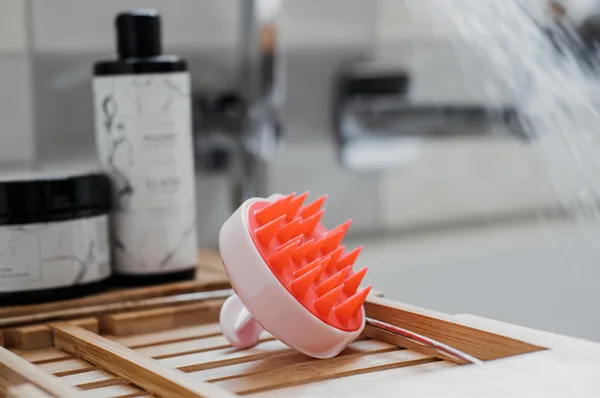
A manual scalp massager is a handheld tool that you move across your scalp. These come in various designs, from claw-like wire head massagers to small handheld brushes with bristles.
Benefits of Manual Scalp Massagers:
-
Affordable – Manual options are usually inexpensive.
-
Simple to Use – No charging, batteries, or setup required.
-
Gentle Control – You can adjust pressure and speed to match your comfort.
-
Portable – Easy to take anywhere, even in the shower.
Drawbacks of Manual Scalp Massagers:
-
Requires effort from your hands and wrists.
-
May not provide the consistent motion or deep kneading that some users want.
-
Limited features compared to electric models.
What Is an Electric Scalp Massager?
An electric scalp massager is battery-powered or rechargeable. It often has rotating or vibrating heads designed to mimic professional massage techniques.
Benefits of Electric Scalp Massagers:
-
Consistent Motion – Provides uniform pressure and rhythm.
-
Deep Relaxation – Vibrations can relieve tension more effectively than manual massaging.
-
Hands-Free Options – Some models allow you to place the device on your scalp and let it work on its own.
-
Multi-Functionality – Many include waterproof features for shower use, or attachments for neck and shoulders.
Drawbacks of Electric Scalp Massagers:
-
Higher cost than manual options.
-
Require charging or batteries.
-
Heavier and less portable.
-
May feel too intense for sensitive scalps.
The Role of Materials: Why Silicone Stands Out
Regardless of whether you choose manual or electric, the material of the massager makes a huge difference. Silicone scalp massagers are widely considered superior for several reasons:
-
Soft and Gentle Bristles
Unlike plastic bristles, silicone bristles are flexible and soft. They effectively exfoliate without scratching or irritating the scalp, making them suitable for daily use. -
Hygienic and Easy to Clean
Silicone is non-porous, meaning it resists bacterial buildup. A quick rinse with water keeps the tool fresh and safe for continued use. -
Durable and Long-Lasting
High-quality silicone withstands frequent use, water, and hair products without degrading. -
Safe for Wet or Dry Hair
Silicone scalp massagers can be used both in the shower (to work in shampoo or conditioner) and on dry hair (for stress relief and circulation). -
Eco-Friendly Option
Reusable and long-lasting, silicone reduces waste compared to cheap plastic alternatives.
Electric vs. Manual: Which Is Better?
The “better” option depends on your priorities.
Choose Manual Silicone Scalp Massager if you:
-
Want a budget-friendly option.
-
Prefer full control over pressure and motion.
-
Need something lightweight and travel-friendly.
-
Like using it in the shower to lather shampoo and cleanse thoroughly.
Choose Electric Silicone Scalp Massager if you:
-
Want a spa-like experience at home.
-
Struggle with hand fatigue or arthritis.
-
Prefer consistent, automated pressure.
-
Enjoy extra features like vibration or multi-speed modes.
How Silicone Scalp Massagers Enhance Hair Care
Adding a silicone scalp massager to your routine—manual or electric—can significantly improve your scalp and hair health:
-
Boosts Circulation – Better blood flow means hair follicles receive more oxygen and nutrients.
-
Reduces Dandruff – Gently exfoliates and removes flakes without damaging skin.
-
Supports Product Penetration – Helps oils and serums absorb deeper into the scalp.
-
Relieves Stress – The massaging motion, especially when paired with essential oils, can reduce tension and headaches.
-
Promotes Hair Growth – By keeping follicles cleaner and healthier, silicone scalp massagers create an environment that supports hair growth.
Practical Tips for Using a Scalp Massager
-
Use with Shampoo – In the shower, apply shampoo and massage with a silicone brush to deeply cleanse and reduce buildup.
-
Pair with Oils or Serums – On dry hair, massage oils into the scalp to enhance absorption.
-
Limit Pressure – Gentle circular motions are more effective than pressing too hard.
-
Frequency – 3–7 times per week is ideal, depending on your scalp sensitivity.
Conclusion: Which One Wins?
So, is an electric scalp massager better than a manual one? It depends on your needs.
-
If you want affordability, control, and convenience, a manual silicone scalp massager is the way to go.
-
If you crave luxury, relaxation, and consistency, an electric silicone scalp massager may suit you better.
Ultimately, both types serve the same purpose—promoting scalp health, relaxation, and hair growth. What makes the biggest difference is choosing one made of silicone, as it combines safety, hygiene, and comfort. By incorporating a silicone scalp massager into your routine, you can transform scalp care from a chore into a soothing ritual, while giving your hair the healthy foundation it deserves.