- Have any questions?
- +86 19574832024
- admin@beaut-lohas.com

Silicone body Scrubber
If you’ve ever noticed tiny, rough bumps on your upper arms, thighs, or even your cheeks, you might be dealing with keratosis pilaris — often nicknamed “chicken skin.” This harmless but stubborn condition affects around 40% of adults and even more teenagers, making it one of the most common skin texture concerns in the world.
With so many treatments and home remedies floating around — from chemical exfoliants to thick moisturizers — it’s easy to feel overwhelmed. But lately, there’s been growing interest in a simpler, gentler approach: the silicone body scrubber.
So, does using a silicone body scrubber actually help with keratosis pilaris? After checking science, personal stories, and real-life usage tips, here’s what I discovered.
🧬 What Causes Keratosis Pilaris?
Before diving into solutions, it helps to understand what keratosis pilaris really is.
-
It’s caused by keratin, a natural protein that protects skin, plugging the opening of hair follicles.
-
This creates small, rough bumps that can feel dry or sandpapery.
-
It’s not dangerous or contagious, but it can make skin look uneven and feel rough.
Most people notice it on:
-
Upper arms
-
Thighs
-
Buttocks
-
Sometimes the face (especially in children)
Unfortunately, keratosis pilaris can’t be “cured” completely — but it can be managed and softened with the right skincare routine.
🧼 Where a Silicone Body Scrubber Fits In
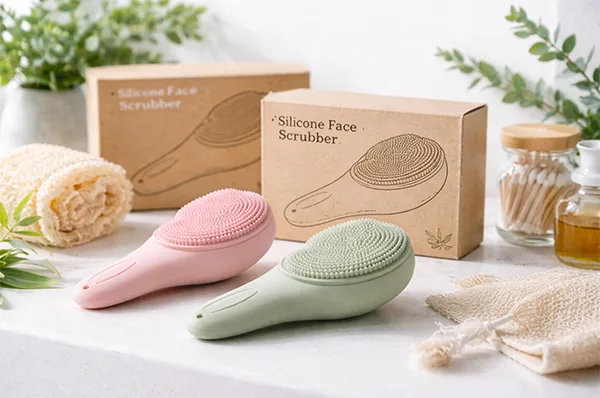
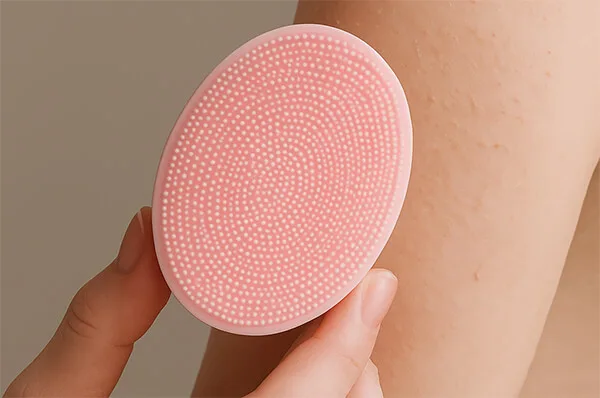
A silicone body scrubber is a shower tool made from flexible, soft silicone bristles. Unlike traditional loofahs or natural bristle brushes, it offers several advantages that matter specifically for people with keratosis pilaris:
✅ Gentle exfoliation: Helps remove dead skin without scratching.
✅ Hygienic: Silicone is non-porous and easy to clean, so it doesn’t trap bacteria.
✅ Durable: Lasts longer than loofahs, which can break down and get rougher over time.
✅ Comfortable: Many find the soft texture soothing rather than irritating.
When used regularly, a silicone body scrubber helps keep keratin plugs from building up — one of the biggest challenges for those with keratosis pilaris.
✨ How Exfoliation Helps Keratosis Pilaris
The first-line strategy for managing keratosis pilaris is gentle exfoliation. It helps by:
-
Removing excess keratin and dead skin cells
-
Smoothing rough texture
-
Improving skin’s absorption of moisturizing creams or lotions
But there’s an important catch: too much exfoliation, or using harsh scrubs, can worsen redness and irritation. That’s why the type of tool matters.
⚖️ Silicone Body Scrubber vs. Traditional Exfoliating Tools
Let’s compare:
| Tool | Pros | Cons |
|---|---|---|
| Loofah | Affordable, provides strong scrub | Can scratch sensitive skin, traps bacteria, degrades quickly |
| Natural bristle brush | Effective at buffing rough patches | Often too harsh for daily use, harder to clean |
| Sugar or salt scrubs | Quick smoothing effect | Abrasive, can break skin if overused |
| Silicone body scrubber | Gentle, hygienic, durable, flexible | Slightly less “deep” exfoliation per use |
For keratosis pilaris, the goal isn’t to “scrub away” the bumps aggressively — it’s to gently remove buildup over time. That’s why a silicone body scrubber can be so useful: it’s designed to do exactly that.
🛁 How to Use a Silicone Body Scrubber for Keratosis Pilaris
Here’s a gentle, dermatologist-inspired routine you can try:
1️⃣ Wet your skin with warm (not hot) water. Hot water can worsen dryness.
2️⃣ Apply a mild, moisturizing body wash — ideally fragrance-free.
3️⃣ Use the silicone body scrubber in gentle circular motions for about 30–60 seconds on each area.
-
Focus on the upper arms, thighs, or wherever you see bumps.
-
Don’t press too hard — the soft bristles do the work.
4️⃣ Rinse thoroughly.
5️⃣ Moisturize immediately after showering with a rich cream that includes ingredients like urea, lactic acid, or ceramides.
🔍 What Results to Expect
Managing keratosis pilaris takes patience. Most people notice:
✅ Smoother texture after a few weeks
✅ Bumps look less noticeable
✅ Less redness and irritation compared to harsher scrubs
But remember:
-
The bumps may not disappear completely.
-
Consistency (using your silicone body scrubber a few times a week) matters more than intensity.
🌿 Extra Tips for Managing Chicken Skin
Using a silicone body scrubber is part of a bigger strategy:
✅ Moisturize daily — even on days you don’t exfoliate.
✅ Use lotions with gentle chemical exfoliants (like lactic acid or urea).
✅ Avoid picking or scratching bumps — it can worsen inflammation.
✅ Choose mild, fragrance-free cleansers to prevent dryness.
✅ Limit long, hot showers.
✨ Why Many Prefer Silicone Body Scrubbers
Beyond keratosis pilaris, people love silicone body scrubbers because they are:
-
Lightweight and easy to handle
-
Safe for sensitive or reactive skin
-
Quick to clean and dry — just rinse and hang up
-
Long-lasting, saving money over time
Plus, many brands offer fun shapes, calming colors, and even dual-texture designs — adding a little joy to daily showers.
❤️ Real Stories: People Who Saw a Difference
Many people share positive experiences:
“My KP has always made me feel self-conscious in sleeveless tops. Switching from a loofah to a silicone body scrubber really helped — it’s gentler, and my arms feel smoother without redness.”
— Emily, 27
“I’ve tried salt scrubs, but they stung. The silicone scrubber makes shower time relaxing, and my thighs look less bumpy.”
— James, 34
Of course, everyone’s skin is different — but the gentle, consistent approach works for many.
✅ Final Verdict: Can a Silicone Body Scrubber Help?
Yes — when used correctly, a silicone body scrubber can be an effective, skin-friendly tool to manage keratosis pilaris. It offers the daily gentle exfoliation you need to keep keratin plugs from building up, without the irritation caused by rough scrubs or stiff brushes.
While it won’t “cure” keratosis pilaris, it can make your skin feel noticeably smoother and look healthier over time.
🌟 Bottom Line
If you’re tired of rough bumps on your arms or thighs, consider adding a silicone body scrubber to your routine. It’s affordable, gentle, and easy to use — and for many people, it’s a small change that brings real, visible benefits.
Remember: be patient, moisturize daily, and treat your skin kindly. Over time, you’ll see that soft, balanced care often wins over harsh scrubbing.