- Have any questions?
- +86 19574832024
- admin@beaut-lohas.com

Silicone Wrinkle Patches
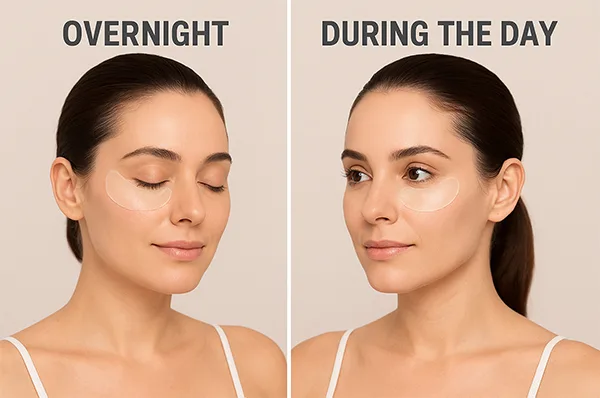
Silicone wrinkle patches have indeed garnered a lot of attention lately and are now considered one of the most effective yet non-invasive skin care methods. They can deliver skin devoid of wrinkles, fuller, and even more youthful without the pain of needles or costly cosmetic procedures. However, one frequent doubt that users have is: Is it better to wear silicone wrinkle patches overnight or only during the day?
Let us take a look at the mechanism of these patches, the distinction between their usage during day and night, and the suggestions of skin doctors for utmost efficiency.
How Silicone Wrinkle Patches Work
Silicone wrinkle patches are made from medical-grade silicone, the same type used in wound-healing treatments. When applied to clean, dry skin, the patch adheres smoothly to the surface, creating a microclimate that locks in moisture and prevents transepidermal water loss (TEWL).
This environment helps to:
-
Hydrate the skin by trapping moisture.
-
Plump fine lines and wrinkles temporarily by improving skin elasticity.
-
Smooth the skin’s surface through gentle compression.
-
Encourage collagen production by keeping the skin hydrated and slightly stretched.
Essentially, these patches work by preventing skin from creasing and maintaining hydration, which reduces the appearance of fine lines and wrinkles over time.
Using Silicone Patches Overnight: Pros and Cons
Wearing silicone wrinkle patches overnight is one of the most common and convenient methods. Since most of us sleep for 6–8 hours, the patch has plenty of time to stay in contact with the skin and work effectively.
Advantages of Overnight Use
-
Longer contact time:
The extended wear time allows the silicone to form a lasting seal, optimizing hydration and wrinkle-smoothing effects. -
Convenience:
You can simply apply the patches before bedtime and let them work while you sleep—no interruption to your daily activities. -
Enhanced overnight repair:
Skin naturally goes through a regenerative process at night, producing new collagen and repairing damage. Using a patch during this time enhances that natural healing. -
Deeper hydration:
Because the patch seals in moisture for several hours, skin often looks fresher, smoother, and more supple in the morning.
Potential Drawbacks
-
Comfort and movement:
If you move a lot during sleep, the patch might peel off or shift, reducing effectiveness. -
Skin sensitivity:
Some users with sensitive skin may experience slight redness or irritation after prolonged contact, especially if applied too tightly. -
Sweating or oil buildup:
Overnight use can sometimes lead to mild stickiness or clogged pores if the skin isn’t thoroughly cleansed beforehand.
Using Silicone Patches During the Day: Pros and Cons
Daytime use of silicone wrinkle patches is less common but still effective—especially for people who want a quick smoothing effect before an event or makeup application.
Advantages of Daytime Use
-
Quick results before outings:
Wearing a patch for 1–2 hours before a special event can temporarily smooth out wrinkles, making makeup look more even. -
Easier monitoring:
You can check the patch position and comfort while awake, adjusting as needed. -
Reduced irritation risk:
Since the contact time is shorter, it’s gentler on sensitive skin. -
Discreet wear:
Some clear, thin silicone patches are nearly invisible, allowing users to wear them at work or home without drawing attention.
Potential Drawbacks
-
Shorter contact time:
Because the patches are worn for less time, the hydration and wrinkle-smoothing benefits may not be as pronounced as overnight use. -
Activity limitations:
Sweating, talking, or moving facial muscles can loosen the patch and reduce its effectiveness. -
Makeup incompatibility:
You can’t wear foundation or skincare products underneath or over the patch—it needs clean, bare skin to adhere properly.
Comparing Results: Overnight vs. Daytime
So, which one actually works better? The answer depends on your skin type, lifestyle, and goals.
| Factor | Overnight Use | Daytime Use |
|---|---|---|
| Effectiveness | High — extended hydration and wrinkle prevention | Moderate — short-term smoothing |
| Convenience | High — works while you sleep | Medium — requires time during the day |
| Comfort | May cause slight irritation for some | Generally more comfortable |
| Best for | Deep hydration and long-term wrinkle care | Quick touch-ups or pre-event smoothing |
In most cases, overnight use provides superior results, especially for people targeting deeper wrinkles or looking for long-term improvement. However, daytime use can still deliver noticeable benefits—particularly if used consistently as part of a skincare routine.
Expert Dermatologist Opinions
Dermatologists generally agree that silicone wrinkle patches are most effective when worn for longer durations, ideally overnight. Dr. Amy Shah, a board-certified dermatologist, explains: “Silicone patches create an occlusive barrier that helps skin retain moisture and boosts its elasticity. The longer they stay on, the better the results you’ll see in terms of hydration and temporary wrinkle reduction.”
However, she also emphasizes that these patches are not permanent wrinkle erasers. Their results are temporary and cumulative, meaning consistent use over weeks or months is needed for best outcomes.
For sensitive or acne-prone skin, dermatologists recommend starting with shorter daytime wear before progressing to overnight use, to ensure your skin tolerates the material well.
Tips for Maximizing Results
Whether you use silicone wrinkle patches during the day or night, follow these best practices to get the most from them:
-
Apply on clean, dry skin:
Remove oils, serums, and moisturizers before use—silicone adheres best to dry surfaces. -
Be consistent:
Use daily or several times per week to maintain smoothness and hydration. -
Store properly:
After each use, wash the patch gently with mild soap and warm water, then let it air dry adhesive side up before placing it back on the storage film. -
Replace when needed:
Most patches can be reused around 15–20 times. Replace them once adhesion weakens or the surface becomes cloudy. -
Combine with a full skincare routine:
Use your favorite moisturizer and sunscreen after removing the patch to maintain the hydrated, plumped look.
Final Verdict
So—do silicone wrinkle patches work better overnight or during the day?
The short answer is: overnight use is generally more effective for deeper hydration and wrinkle reduction due to longer wear time and synergy with the skin’s nighttime repair process.
However, daytime use is still beneficial for quick smoothing effects, especially for those with sensitive skin or busy schedules.
Ultimately, the best routine is the one that fits your skin’s needs and your lifestyle. Consistent use—regardless of time—will yield smoother, plumper, and more refreshed-looking skin without the need for invasive treatments.