- Have any questions?
- +86 19574832024
- admin@beaut-lohas.com

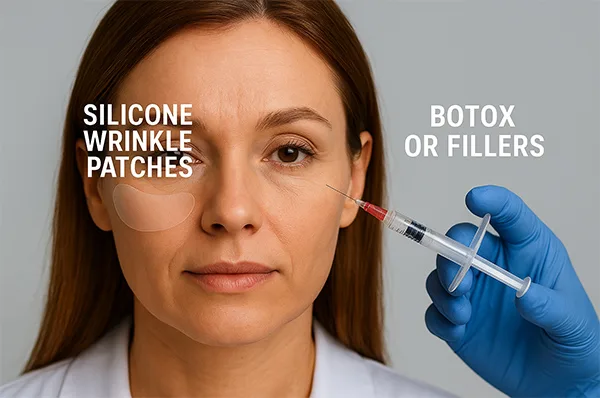
Silicone Wrinkle Patches
In the pursuit of youthful, smooth skin, Botox and dermal fillers have long been seen as the gold standard of anti-aging treatments. Yet, a growing number of skincare enthusiasts and dermatologists are exploring non-invasive alternatives—one of the most popular being silicone wrinkle patches. These patches, made from medical-grade silicone, claim to smooth fine lines and wrinkles naturally by locking in moisture and promoting skin repair. But can silicone wrinkle patches truly replace Botox or fillers? Let’s explore what science, dermatologists, and real users have to say.
Understanding the Basics: Botox, Fillers, and Silicone Patches
Before comparing them, it’s important to understand how each works.
-
Botox (Botulinum Toxin) works by temporarily relaxing facial muscles that cause expression lines—such as frown lines, crow’s feet, and forehead wrinkles. Results typically last between 3 to 6 months.
-
Dermal Fillers, on the other hand, use substances like hyaluronic acid to restore volume and plump up areas that have lost elasticity, such as the cheeks, lips, or nasolabial folds.
-
Silicone Wrinkle Patches don’t use injections at all. Instead, they are adhesive patches made from soft, medical-grade silicone. When applied to the skin, they create a microclimate that helps retain moisture, smooth the surface, and promote the skin’s natural repair process.
At first glance, all three aim to reduce wrinkles—but their methods and depth of results differ significantly.
How Silicone Wrinkle Patches Work
Silicone wrinkle patches function primarily by hydration and occlusion. When you place the patch on your skin, it forms a breathable barrier that traps moisture underneath. This hydration plumps up the outer layer of the skin (epidermis), temporarily reducing the appearance of fine lines.
More importantly, silicone has been used for decades in medical wound healing—it’s known to improve skin texture and reduce scar formation by maintaining moisture balance and supporting collagen production. Applying the same principle, silicone wrinkle patches help condition and smooth wrinkled areas over time.
Users often wear them overnight on the forehead, under the eyes, around the mouth, or on the neck and chest. The next morning, the skin typically looks refreshed, hydrated, and temporarily firmer.
What Dermatologists Say
Most dermatologists agree that silicone wrinkle patches are safe and effective for improving skin hydration and texture—especially for short-term results or wrinkle prevention. However, they also emphasize that these patches cannot replicate the deep-acting effects of Botox or fillers.
“Silicone patches are great for surface-level wrinkles caused by dehydration or repetitive facial movements,” explains Dr. Emily Rogers, a board-certified dermatologist. “But Botox and fillers work deeper—relaxing muscles and restoring lost volume, which patches simply can’t achieve.”
Still, many skin experts support silicone patches as a non-invasive complement to injectable treatments or as a beginner-friendly alternative for those not ready for needles.
Comparing Effectiveness: Silicone Patches vs. Botox and Fillers
| Feature | Silicone Wrinkle Patches | Botox | Dermal Fillers |
|---|---|---|---|
| Invasiveness | Non-invasive, topical | Injectable | Injectable |
| Immediate Effect | Temporary plumping overnight | Visible in 3–7 days | Immediate |
| Duration of Results | Hours to days | 3–6 months | 6–12 months |
| Cost | Low | Moderate to high | High |
| Mechanism | Retains moisture, supports skin barrier | Relaxes muscles | Adds volume |
| Best For | Fine lines, hydration, wrinkle prevention | Dynamic wrinkles | Volume loss, deep folds |
As shown, silicone wrinkle patches mainly address surface-level fine lines and are excellent for short-term smoothing or preventing early signs of aging. Botox and fillers, however, penetrate deeper and offer more dramatic, longer-lasting results for established wrinkles.
The Benefits of Silicone Wrinkle Patches
Even if they can’t replace Botox or fillers, silicone wrinkle patches have several unique benefits that make them an appealing skincare solution:
-
Non-invasive and pain-free – No needles, downtime, or risk of bruising.
-
Natural approach – Encourages the skin’s own healing and hydration processes.
-
Suitable for sensitive skin – Medical-grade silicone is hypoallergenic and dermatologist-tested.
-
Reusable and eco-friendly options – Many patches can be washed and reused multiple times.
-
Affordable – Significantly cheaper than professional injectables.
-
Easy to use – Can be applied at home overnight for convenience.
These benefits explain why silicone wrinkle patches are increasingly popular among people who want visible but gentle improvements without medical procedures.
Limitations You Should Know
Despite their advantages, silicone wrinkle patches also have clear limitations:
-
Temporary results: The plumping and smoothing effects usually last only a few hours to a day.
-
No muscle relaxation or volume restoration: They don’t address the root cause of deeper wrinkles caused by aging or muscle movement.
-
Consistency required: Results depend on regular use over weeks or months.
-
Not suitable for very deep folds: For example, deep nasolabial lines or hollow cheeks won’t see significant improvement.
In short, silicone patches are best seen as a skincare maintenance tool, not a medical substitute for Botox or fillers.
Best Way to Combine Silicone Patches with Other Treatments
Many dermatologists recommend using silicone wrinkle patches in combination with other skincare treatments. For example:
-
Apply silicone patches after using a hydrating serum to lock in moisture overnight.
-
Use them between Botox appointments to help maintain smoother skin longer.
-
Pair them with retinol or peptide creams (at different times) to boost collagen support.
This hybrid approach can give you the best of both worlds: a natural glow from consistent skin hydration and the deeper wrinkle correction from injectables.
Who Should Choose Silicone Wrinkle Patches?
Silicone wrinkle patches are ideal for:
-
Individuals in their 20s to 40s who want to prevent early wrinkles.
-
Those with mild to moderate fine lines looking for a non-invasive fix.
-
People with sensitive skin who cannot tolerate chemical treatments.
-
Anyone looking for a budget-friendly and natural alternative to injections.
If you already have deep wrinkles or significant skin sagging, you may achieve better results with a combination of professional treatments and consistent skincare, including silicone patches for maintenance.
The Verdict: Complement, Not Replacement
So, can silicone wrinkle patches replace Botox or fillers?
The short answer is no—but they can complement them beautifully.
Silicone wrinkle patches are an effective, gentle, and affordable way to smooth and hydrate the skin’s surface. They excel at improving fine lines, maintaining moisture, and preventing new wrinkles. However, they cannot reach the deeper layers of the skin or relax muscles the way Botox or fillers do.
For many, though, that’s precisely the appeal—they offer a natural, safe, and needle-free path toward healthier, smoother skin. Whether you’re taking a break from injectables or just starting your anti-aging journey, silicone wrinkle patches can be a valuable part of your skincare routine.