- Have any questions?
- +86 19574832024
- admin@beaut-lohas.com

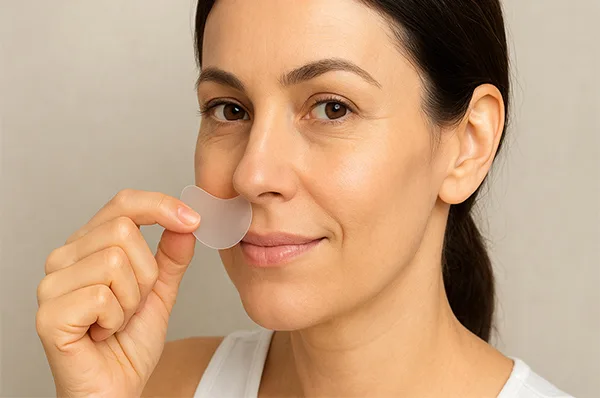
Silicone Wrinkle Patches
Smile lines or wrinkles also called nasolabial folds count amongst the main indicators of aging in the face. Even though these structures are the result of facial movements, age, and the skin’s condition, a majority of people are searching for non-surgical methods to make them less noticeable. One of the remedies that are gaining popularity is the use of silicone wrinkle patches which are being applied to forehead, chest, crow’s feet, and progressively the smile lines.
But here comes the big question:
Can silicone wrinkle patches actually help with smile lines or nasolabial folds?
The answer is affirmative. They are able to improve the aspects of the wrinkles but the improvement is quite limited and depends on factors such as the depth of the folds, the age of the user, and the frequency of patch usage.
The current post discusses how silicone patches function on smile lines, the expectable outcome, the duration of the improvement, and the most advantageous users.
Understanding Smile Lines and Nasolabial Folds
Nasolabial folds are the lines that run from the sides of the nose down to the corners of the mouth. They become more pronounced due to:
-
Aging and loss of collagen
-
Decreased elasticity
-
Fat loss or shifting in the mid-face
-
Repetitive expressions (like smiling)
-
Dehydration
-
UV exposure
-
Lifestyle factors such as stress, poor diet, or smoking
Unlike fine lines that sit on the surface, nasolabial folds can involve deeper changes in skin structure, which influences how well topical treatments or non-invasive solutions work.
How Silicone Wrinkle Patches Work
Silicone wrinkle patches are medical-grade adhesive sheets made from pure silicone—a material long used in clinical scar treatment. When applied to the skin, they work in several ways:
1. Creating an Occlusive Healing Environment
Silicone traps moisture, preventing transepidermal water loss (TEWL).
This helps plump surface skin, making lines appear smoother temporarily.
2. Increasing Hydration and Skin Elasticity
Hydrated skin is more supple and naturally stretches better, which improves texture and the visibility of smile lines.
3. Training Skin to Stay Flat
By holding the skin in place, the patches limit movement that deepens wrinkles—especially overnight when most people sleep with their face compressed against pillows.
4. Supporting Collagen Restoration
Studies show silicone can help restore skin barrier function and support natural collagen regeneration, although results vary from person to person.
5. Improving Microcirculation
Lighter pressure and skin-to-silicone contact can help boost blood flow and cellular renewal, helping the area look smoother and healthier.
Can Silicone Patches Improve Smile Lines?
Short Answer: Yes—especially for:
-
Fine to moderate smile lines
-
Those caused by dehydration or temporary creasing
-
Younger or early-aging skin
-
People looking for a non-invasive solution
-
Users who apply consistently over weeks or months
Silicone patches can visibly reduce surface-level lines by hydrating and temporarily smoothing the skin. Users often report noticeable improvements after just a few nights of use, especially in early aging stages.
What Kind of Results Can Users Expect?
1. Short-Term (after the first few uses)
-
Skin looks smoother and more hydrated
-
Smile lines appear softer and less pronounced
-
Texture becomes more even
-
Crease marks from side-sleeping are visibly minimized
Many users describe the effect as a “reversed wrinkle pillow crease.”
2. Medium-Term (2–6 weeks of consistent use)
-
Improved elasticity
-
Better moisture retention
-
Firmer-feeling skin
-
Reduced formation of new creases
At this stage, the skin—not just the lines—begins to improve.
3. Long-Term (6+ weeks)
Some users report lasting improvement, especially when silicone patches are used alongside:
-
A proper skincare routine
-
Sun protection
-
Regular hydration
-
Good sleep positioning
There is no downtime, and no medical risks comparable to injectables.
Where Silicone Patches Work Best on Smile Lines
Silicone patches can be used on:
-
The surface of the nasolabial fold
-
Around the corners of the mouth
-
Inner cheek areas that form expression lines
They are most effective when the fold is caused primarily by:
-
Skin dehydration
-
Early loss of elasticity
-
Sleeping compression
-
Repeated facial movement without deeper volume loss
For younger individuals or those with moderate lines, silicone patches can make a noticeable difference with non-invasive care.
Limitations to Understand
While silicone patches are beneficial, they are not a replacement for medical procedures and have realistic limitations:
They may be less effective for:
-
Deep, structural nasolabial folds
-
Significant mid-face fat loss
-
Lines caused by gravity-related sagging
-
Elderly skin with severe collagen depletion
For deep wrinkles, injectable fillers, lasers, or other dermatological procedures often provide stronger results.
They do not replace long-term skincare
For best results, silicone patches should be part of a routine that includes:
-
Sunscreen
-
Hydration
-
Collagen-supporting products
-
Healthy lifestyle habits
Patches improve the skin environment—but they don’t stop aging alone.
Why Smile Lines Respond Differently Compared to Other Areas
Areas like the forehead or chest often show dramatic improvement because:
-
These areas are flatter
-
Wrinkles are often surface-level
-
Volume loss is less pronounced
The smile line area, however:
-
Moves constantly during speech and expression
-
Shows early volume and fat loss
-
Experiences deeper tissue compression
-
Has thinner skin in certain users
This means improvement can take longer and may be more subtle—but still noticeable with regular use.
How Long Does It Take to See Results?
Results vary, but averages look like this:
-
First visible results: 1–3 nights
-
Noticeable smoothing: 2–3 weeks
-
More lasting improvement: 4–8 weeks of consistent use
Most manufacturers recommend using patches:
-
Overnight or at least 2–6 hours per session
-
At least 3–5 days per week
Consistency matters more than duration.
Who Gets the Best Results?
Silicone wrinkle patches work best for:
✔ Users under 45 with early signs of aging
✔ People with mild to moderate smile lines
✔ Those experiencing dehydration creases
✔ Individuals who side-sleep and wake with facial lines
✔ Users looking for a non-invasive solution before considering fillers
They are also ideal for people who:
-
Want quick but noticeable smoothing
-
Prefer reusable, non-medical anti-aging solutions
-
Cannot or do not want injectable treatments
Are They Safe?
Silicone patches are:
-
Hypoallergenic
-
Used medically for decades in scar healing
-
Non-invasive and chemical-free
Most people tolerate them well.
However, individuals with:
-
Extremely sensitive skin
-
Silicone allergies
-
Rosacea flare-prone skin
-
Open wounds or active irritation
should patch-test first or consult a dermatologist.
How to Maximize Results
For best improvement on smile lines:
1. Apply to clean, dry skin
No oils or serum underneath—these may reduce adhesion.
2. Use at night or for several hours
Overnight wear provides the strongest occlusive effect.
3. Keep consistent
Results compound gradually over weeks.
4. Use alongside a supportive routine
Hyaluronic acid, peptides, and sunscreen help maintain improvements.
5. Store and clean correctly
Good care extends patch lifespan and ensures skin safety.
Final Takeaway
Silicone wrinkle patches can absolutely help improve the appearance of smile lines and nasolabial folds, especially when used consistently over time. They are particularly effective for:
-
Early or moderate expression lines
-
Dehydration-related creasing
-
Users wanting a reusable, non-invasive option
However, while they smooth and plump the skin surface, they cannot reverse deep structural folds caused by volume loss, where fillers or medical treatments may be more suitable.
Still, for many users seeking a safe, affordable, and non-surgical solution, silicone wrinkle patches provide visible improvement, better skin hydration, and a simple way to slow the progression of smile lines at home.