- Have any questions?
- +86 19574832024
- admin@beaut-lohas.com

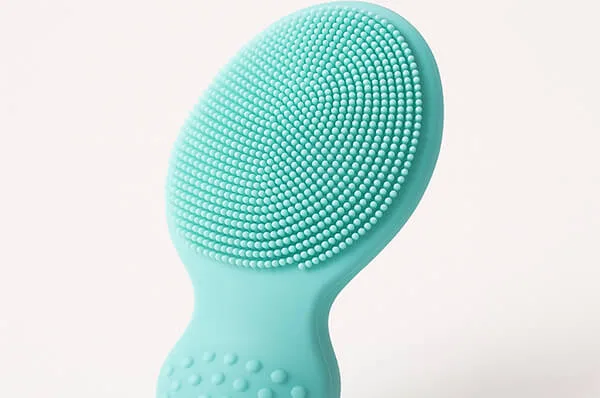
Silicone Face Scrubbers
Acne is something so many of us struggle with — and for years, I was no exception. Breakouts on my cheeks, forehead, and chin always seemed to appear at the worst possible times, damaging not only my skin but also my confidence. Like many people, I tried countless cleansers, creams, and tools promising clearer skin. That’s when I started reading about Silicone Face Scrubbers — the gentle, flexible tools taking over skincare TikTok and Amazon best-seller lists.
But do Silicone Face Scrubbers actually help clear acne? Or are they just another passing skincare trend? After months of using them daily, I’m sharing my honest experience: what worked, what didn’t, and whether I think they’re worth adding to your routine.
What Exactly Are Silicone Face Scrubbers?
Silicone Face Scrubbers are small tools (usually handheld pads or brushes) made of soft, medical-grade or food-grade silicone. They come with hundreds of flexible bristles designed to help cleanse your skin more thoroughly than just using your hands.
Some scrubbers are completely manual: you add cleanser and use gentle circular motions. Others are electronic, vibrating or using sonic pulses to boost cleansing power. They’re marketed as being:
✅ Gentle on sensitive skin
✅ Hygienic and easy to clean
✅ Effective for exfoliation and unclogging pores
All these promises sound great — especially for those of us fighting acne caused by excess oil and clogged pores.
Why I Decided to Try a Silicone Face Scrubber
My acne is mostly mild to moderate, but persistent. Like many people, I worried about over-exfoliating because harsh scrubs had left my skin red, flaky, and sometimes even more broken out. I wanted something that would cleanse deeply yet gently — and that’s what Silicone Face Scrubbers promised.
I also loved the idea of something more hygienic. Traditional face brushes can trap bacteria and dead skin in their bristles, which can actually worsen breakouts. But silicone is non-porous, meaning it doesn’t soak up water or product residue, making it easier to rinse clean.
My Daily Routine with the Silicone Face Scrubber
Here’s exactly how I started using my Silicone Face Scrubber:
-
Wet my face with lukewarm water.
-
Add a gentle, foaming cleanser (mine has 0.5% salicylic acid) onto the scrubber.
-
Massage gently in small circles for about 60–90 seconds, covering my forehead, cheeks, nose, and chin.
-
Rinse thoroughly with water.
-
Clean the scrubber itself by rinsing it and leaving it to air dry.
I used it once a day, usually in the evening after removing makeup. On days when my skin felt extra sensitive, I skipped it to avoid irritation.
The Results After 4 Weeks
To my surprise, the difference was noticeable — but not overnight. Here’s what I experienced:
⭐ Fewer new pimples: After about two weeks, I noticed fewer whiteheads popping up, especially on my chin and jawline.
⭐ Smoother texture: My skin felt softer and less bumpy. The gentle silicone bristles helped lift away dead skin without redness or peeling.
⭐ Better absorption: My moisturizer and spot treatments seemed to sink in more quickly after using the scrubber.
⭐ No irritation: Unlike harsh physical scrubs or stiff-bristled brushes, the Silicone Face Scrubber never scratched my skin or caused flare-ups.
What Silicone Face Scrubbers Can’t Do
It’s important to be realistic. Silicone Face Scrubbers are not a miracle cure. They help clean your skin more effectively and gently exfoliate, which can help reduce breakouts caused by clogged pores. But they don’t treat hormonal acne, cystic acne, or deeply inflamed breakouts on their own.
In my case, I still needed a salicylic acid cleanser and occasional benzoyl peroxide treatment for stubborn spots. Think of the scrubber as a helper — it boosts your routine rather than replacing it.
Why They’re Better Than Some Alternatives
After using various tools over the years, here’s why I prefer Silicone Face Scrubbers:
✅ Gentle exfoliation: Physical scrubs with large particles (like walnut shell) can scratch the skin, worsening inflammation. Silicone bristles are soft yet effective.
✅ Hygienic: Easy to rinse clean, and they dry quickly — bacteria have little chance to grow.
✅ Affordable: A basic scrubber can cost under $10 and last for months, unlike disposable wipes or cotton pads.
✅ Travel-friendly: Lightweight and flexible, they fit easily into a travel bag.
Tips for Using Silicone Face Scrubbers on Acne-Prone Skin
If you’re considering adding a Silicone Face Scrubber to your routine, here are some tips that helped me:
🔹 Go gentle: Press lightly and let the bristles do the work. Scrubbing too hard can irritate skin and make acne worse.
🔹 Pair with the right cleanser: Choose a gentle, non-comedogenic cleanser suitable for acne-prone skin.
🔹 Don’t overuse: Once a day is plenty for most people. Over-cleansing can strip skin of its natural oils.
🔹 Clean it regularly: Rinse thoroughly after each use and store in a dry place.
Should You Try It?
If your acne is mild and mostly caused by clogged pores or excess oil, I absolutely recommend trying a Silicone Face Scrubber. It helped me reduce new breakouts, made my skin feel softer, and gave me the confidence that I was truly cleansing effectively — all without irritation.
If your acne is severe, cystic, or deeply inflamed, a scrubber won’t replace medical treatment. But even then, it can be part of a gentle cleansing routine alongside dermatologist-recommended products.
My Honest Verdict
After months of daily use, I’m convinced: Silicone Face Scrubbers aren’t just a passing trend — they’re a genuinely useful tool, especially for acne-prone skin. Affordable, gentle, and more hygienic than many traditional brushes, they help keep pores clearer and skin smoother.
Will they clear every type of acne? No. But if you’re looking for a way to level up your cleansing routine without irritating your skin, a Silicone Face Scrubber is absolutely worth trying.