- Have any questions?
- +86 19574832024
- admin@beaut-lohas.com

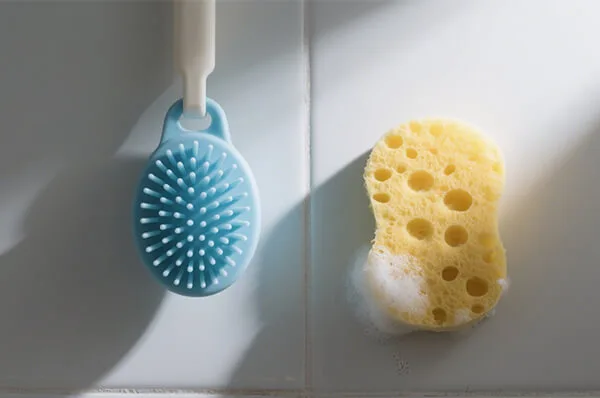
Silicone Body Scrubbers
When it comes to shower accessories, there’s a long-standing debate: are silicone body scrubbers really more hygienic than traditional sponges? If you’ve been scrolling through beauty blogs, skincare TikToks, or health forums, you’ve probably noticed that silicone scrubbers are being hailed as the cleaner, more modern alternative. But are they truly better, or is it just marketing hype? Let’s take a closer look at the science, benefits, and practical differences between silicone body scrubbers and sponges.
The Problem with Traditional Sponges
Sponges — whether synthetic bath sponges, loofahs, or natural sea sponges — are popular for their ability to create a rich lather. However, their porous structure is the perfect breeding ground for bacteria, mold, and mildew.
A study published in Nature Scientific Reports found that damp, porous materials like sponges can harbor millions of bacterial cells per square centimeter. Even with rinsing, the sponge’s internal structure traps water, soap residue, and skin cells — creating a warm, nutrient-rich environment where bacteria thrive.
For someone with sensitive skin or conditions like acne, eczema, or keratosis pilaris, using a bacteria-filled sponge daily can actually worsen irritation.
Why Silicone Body Scrubbers Are Different
Silicone is a non-porous, quick-drying material. This means:
-
Less Bacterial Growth – Because silicone does not absorb water, it dries faster and gives bacteria fewer places to hide.
-
Easier to Clean – You can simply rinse and hang a silicone scrubber to dry, or pop it in the dishwasher for deep cleaning.
-
Durable & Long-Lasting – Unlike sponges that deteriorate after a few weeks, silicone scrubbers can last months (or even years) with proper care.
Key hygiene benefit: The smooth, flexible bristles of silicone scrubbers remove dirt and dead skin without trapping them inside the tool.
Real-Life Hygiene Benefits
If you’ve ever smelled a sponge after a few uses, you know the “musty” odor — it’s a sign of microbial activity. In contrast, silicone scrubbers generally stay odor-free because bacteria simply can’t colonize them as easily.
Dermatologists often recommend switching to non-porous cleansing tools like silicone to reduce the risk of:
-
Folliculitis (inflammation of hair follicles caused by bacteria)
-
Body acne
-
Skin infections after shaving
Skin Health & Exfoliation
Hygiene aside, silicone body scrubbers offer a different exfoliation experience compared to sponges:
-
Gentle Exfoliation – The soft bristles are less abrasive than loofahs, making them suitable for sensitive skin and daily use.
-
Better Control – Silicone scrubbers allow more targeted exfoliation without over-scrubbing.
-
Massage Effect – The flexible bristles also provide a light massage, improving blood circulation.
While sponges may feel softer initially, they tend to get rougher over time due to trapped debris, which can cause microtears in the skin.
Environmental Considerations
Another point in favor of silicone: sustainability. While most bath sponges are replaced every 2–4 weeks, a silicone scrubber can last many months, reducing plastic waste.
-
Reusable for longer – A single silicone scrubber can replace multiple disposable sponges.
-
Easier to recycle – Many silicone products can be recycled through specialized facilities.
This makes silicone a better choice for eco-conscious consumers.
How to Keep a Silicone Body Scrubber Hygienic
Even though silicone is more resistant to bacteria, proper cleaning is still important:
-
Rinse thoroughly after each use.
-
Allow it to air dry in a well-ventilated area.
-
Once a week, deep clean with boiling water or run it through the dishwasher.
By doing this, you’ll maintain both hygiene and performance for a long time.
The Verdict
So, are silicone body scrubbers truly more hygienic than sponges? Yes — in most cases, they are.
-
They’re less likely to harbor bacteria due to their non-porous nature.
-
They dry faster and are easier to sanitize.
-
They last longer, making them more sustainable and cost-effective.
For anyone looking to reduce skin irritation, improve cleanliness, and invest in a long-lasting shower tool, a silicone body scrubber is a smart choice. While a sponge might still work fine if replaced frequently and sanitized properly, silicone offers a much simpler, safer path to good hygiene.
Final Tip
If you decide to switch to a silicone body scrubber, look for one that’s made from food-grade silicone, has an ergonomic handle, and fits your preferred exfoliation style — whether that’s gentle cleansing or more invigorating scrubbing.