- Have any questions?
- +86 19574832024
- admin@beaut-lohas.com

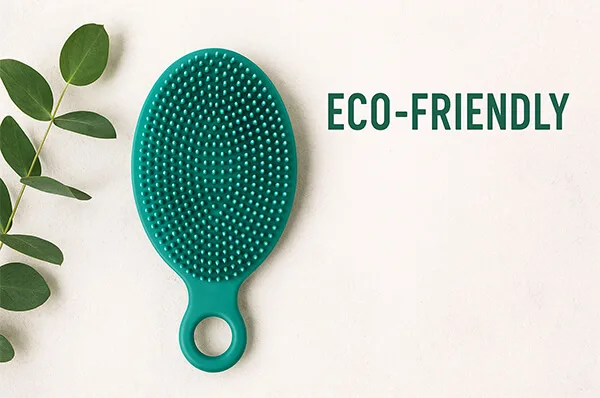
Silicone Body Scrubbers
In recent years, silicone body scrubbers have been making waves in the personal care industry. Praised for their durability, hygiene, and gentle exfoliating abilities, they have quickly become a favorite alternative to traditional loofahs and sponges. But as sustainability becomes a priority for more consumers, a question arises: Are silicone body scrubbers truly eco-friendly and recyclable, or is this just clever marketing?
In this article, we’ll examine the material science behind silicone, its environmental footprint, recyclability, and whether switching to a silicone body scrubber is genuinely a sustainable choice.
What Are Silicone Body Scrubbers Made Of?
Silicone body scrubbers are made from food-grade or medical-grade silicone, a polymer created from silicon, oxygen, carbon, and hydrogen. Unlike plastic, silicone is derived from silica (found in sand), giving it a different chemical structure and durability profile.
Key characteristics of silicone include:
-
High heat resistance
-
Flexibility and softness
-
Non-porous surface (resists bacterial growth)
-
Long lifespan compared to natural or plastic sponges
Durability: The First Eco-Friendly Advantage
One of the strongest arguments in favor of silicone body scrubbers is longevity.
A traditional sponge or loofah often needs replacement every 2–4 weeks due to bacterial buildup and material breakdown. A high-quality silicone scrubber, on the other hand, can last 6 months to several years with proper care.
Why this matters for the environment:
-
Less waste — Fewer discarded scrubbers in landfills.
-
Reduced production impact — Less frequent manufacturing reduces resource consumption.
-
Lower shipping footprint — Products that last longer require fewer deliveries, reducing transport emissions.
Hygiene Factor and Reduced Product Turnover
Silicone’s non-porous nature prevents the absorption of water and soap residue, which means it doesn’t harbor bacteria and mold as easily as natural loofahs or synthetic sponges.
This translates into:
-
Less frequent replacement
-
Reduced risk of skin irritation or infection
-
Lower product waste over time
From an eco-friendly perspective, fewer replacements mean fewer items ending up in the trash — and that’s a win for sustainability.
Is Silicone Biodegradable?
Here’s where things get a little complicated.
While silicone is more durable and reusable than plastic, it is not biodegradable in the way natural loofahs are. If you throw it in the compost, it won’t break down into organic matter.
However, unlike petroleum-based plastics, silicone does not leach harmful microplastics or chemicals when it eventually degrades, and it can withstand decades of use before showing signs of breakdown. Its environmental impact is less about immediate decay and more about waste management after disposal.
Can Silicone Body Scrubbers Be Recycled?
Yes, silicone can be recycled, but not in the same way as typical plastics like PET or HDPE.
Most curbside recycling programs do not accept silicone products because they require specialized facilities. Instead, you’ll need to:
-
Find a silicone recycling program (often run by eco-friendly brands).
-
Send it to facilities that handle industrial recycling for silicone.
-
Upcycle it into other household uses (e.g., jar openers, soap dishes, heat-resistant mats).
Some companies even accept old silicone scrubbers as part of take-back programs, melting them down to create playground surfaces, industrial lubricants, or new silicone items.
The Energy Cost of Producing Silicone
From a manufacturing standpoint, producing silicone requires high temperatures to extract silicon from silica, which consumes energy. This means silicone production isn’t entirely carbon-neutral.
However, because silicone items last far longer than plastic alternatives, their lifetime carbon footprint is often lower when considering the reduced need for frequent replacements.
Comparing Eco-Friendliness: Silicone vs. Alternatives
Natural Loofahs:
-
✅ Biodegradable
-
❌ Short lifespan (2–4 weeks)
-
❌ Can harbor bacteria quickly
Plastic Sponges:
-
❌ Non-biodegradable
-
❌ Short lifespan (1–2 months)
-
❌ Microplastic pollution
Silicone Body Scrubbers:
-
✅ Extremely long lifespan (6 months–years)
-
✅ Hygienic and bacteria-resistant
-
❌ Requires special recycling process
-
⚖ Not biodegradable but can be repurposed
Verdict: Silicone wins in durability and hygiene, natural loofahs win in biodegradability, but both are better than disposable plastic sponges in the long run.
How to Maximize the Eco-Friendliness of Your Silicone Body Scrubber
If you want to make your silicone body scrubber as sustainable as possible:
-
Buy high-quality – Cheap versions wear out faster, defeating the eco-friendly purpose.
-
Clean regularly – Extend lifespan by washing it with mild soap and boiling it occasionally.
-
Repurpose before recycling – Use old scrubbers for household cleaning or dishwashing.
-
Recycle properly – Locate a silicone recycling program or contact the manufacturer for disposal options.
-
Avoid impulse buying – Only replace when necessary.
Final Thoughts: Is Silicone a Green Choice?
Silicone body scrubbers are not perfect, but they are a significant improvement over plastic sponges when it comes to sustainability. Their long lifespan, hygienic properties, and potential for recycling make them a more eco-conscious choice for most consumers.
While they can’t match the full biodegradability of natural loofahs, the reduced waste and replacement frequency still offer notable environmental benefits.
If your goal is reducing waste, avoiding microplastics, and owning a hygienic, long-lasting product, a silicone body scrubber is a smart, eco-friendlier choice — as long as you commit to proper recycling or repurposing when it reaches the end of its life.