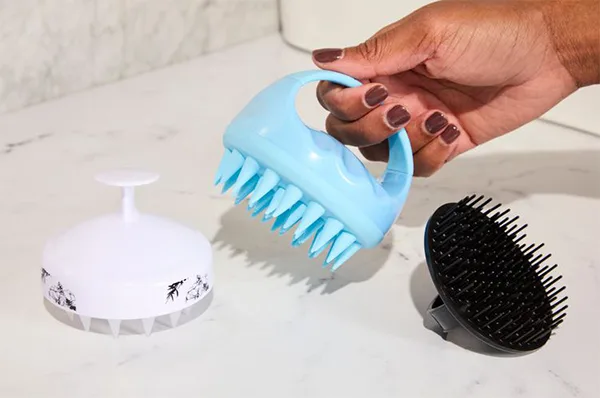
Scalp Massager Hair Loss
Scalp massagers have become increasingly popular in recent years for their potential to improve scalp circulation, reduce stress, and even support hair growth. However, many people notice a concerning issue: hair shedding during or after using a scalp massager. If you’ve experienced this, you might be wondering whether scalp massagers are causing hair loss or if the shedding is just a natural process.
In this article, we’ll break down the reasons behind hair loss after using a scalp massager, what’s normal versus what might be a problem, and how to use a scalp massager—especially silicone scalp massagers—safely and effectively for healthy hair.
Understanding Normal Hair Shedding
It’s important to start with the basics: everyone sheds hair daily. On average, most people lose between 50–100 hairs a day as part of the natural growth cycle. Hair grows in phases, including the anagen (growth) phase, catagen (transition) phase, and telogen (resting/shedding) phase.
When you use a scalp massager, you may simply be loosening hairs that were already at the end of their natural cycle. Instead of falling out throughout the day, they’re removed all at once, which can make shedding appear more dramatic.
Common Reasons for Hair Loss During Scalp Massage
- Dislodging Naturally Loose Hairs
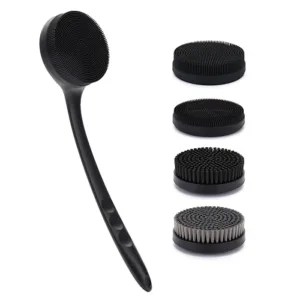
Scalp massagers, especially silicone scalp massagers with flexible bristles, gently lift away hairs that are already detached from the follicle. This can make it look like you’re losing more hair, when in reality those strands were ready to fall out. - Using Too Much Pressure
Applying excessive force when massaging your scalp may irritate follicles and pull out hairs prematurely. While gentle stimulation is beneficial, aggressive massaging can have the opposite effect. - Underlying Scalp Conditions
Conditions like dandruff, seborrheic dermatitis, or psoriasis can weaken hair at the root. When massaged, these weaker hairs may shed more easily. - Improper Technique
Massaging too roughly, tangling hair, or using circular motions that pull strands instead of stimulating the scalp may contribute to breakage and shedding. - Increased Blood Flow Revealing Shedding
Ironically, one of the benefits of scalp massage—improved blood circulation—may also temporarily reveal hair shedding. Better circulation can push weak or resting-phase hairs to fall out, making way for stronger growth.
Silicone Scalp Massagers: A Safer Option
Among different types of scalp massagers, silicone scalp massagers are often recommended because they are:
- Soft and Flexible – Silicone bristles bend and adjust, reducing the risk of hair breakage compared to hard plastic or metal tools.
- Gentle on the Scalp – They provide effective stimulation without scratching or irritating.
- Easy to Clean and Hygienic – Silicone is non-porous, so it doesn’t trap bacteria or product residue like sponges or wooden tools might.
When used correctly, a silicone scalp massager can reduce unnecessary pulling and support healthier scalp care.
How to Minimize Hair Loss While Using a Scalp Massager
If you’re worried about shedding, try these tips:
- Be Gentle – Use light to moderate pressure. Let the massager glide across your scalp rather than pressing hard.
- Massage in Short Sessions – 5–10 minutes a few times per week is usually sufficient.
- Use on Wet or Dry Hair Carefully – Wet hair is more fragile, so if you use a scalp massager in the shower with shampoo, be extra gentle.
- Choose Silicone Over Hard Materials – A silicone scalp massager reduces the risk of unnecessary pulling.
- Detangle Beforehand – Brushing your hair before using the massager helps prevent tangling and breakage.
When to Be Concerned
While some shedding is normal, there are times when scalp massage-related hair loss could indicate something else:
- Excessive Clumps of Hair after every massage.
- Bald Patches or Thinning Areas becoming more noticeable.
- Scalp Pain, Irritation, or Inflammation following massage sessions.
If you experience these symptoms, it’s best to consult a dermatologist or trichologist. Hair loss may be related to genetic conditions like androgenetic alopecia, hormonal imbalances, stress, or nutrient deficiencies rather than the scalp massager itself.
The Bottom Line
Losing hair after using a scalp massager is often just the shedding of hairs already in the resting phase of the growth cycle. For most people, scalp massagers—especially those made of silicone—are safe, soothing tools that can promote better scalp health and potentially support hair growth when used correctly.
If used gently and consistently, a silicone scalp massager can help boost circulation, cleanse the scalp, and encourage stronger hair over time. Don’t be alarmed by a little extra shedding—it’s often part of the natural renewal process.