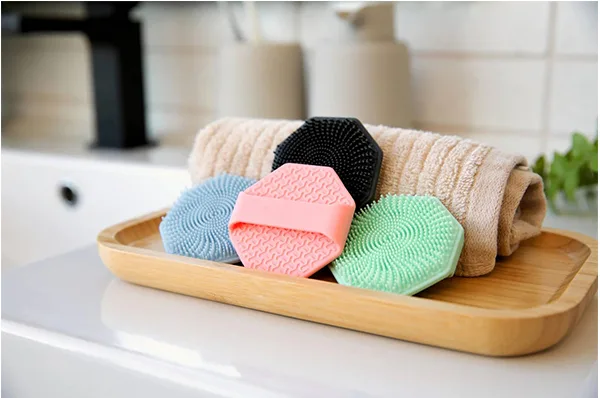
Silicone Body Scrubbers
Loofahs have been a shower and exfoliation staple for the better part of a century. Their abrasive nature promises to cleanse away dirt, oil, and dead skin cells, leaving the body feeling fresh. However, dermatologists recently pointed to these very loofahs as breeding grounds for bacteria, fungi, and molds, eventually doing more harm to our skin than good.
Dermatologists will tell you that there are alternatives to using loofahs. Hence, this article will talk about other alternatives to loofahs approved by dermatologists, such as silicone body scrubbers. Plus, why a loofah may be anything but good for your health, and some alternatives on how to keep your shower routine fresh and healthy for your skin.
The Problem with Loofahs
Loofahs may feel effective, but they present several hygiene concerns:
Bacterial Growth – Loofahs stay damp for long periods in the shower, making them the perfect environment for bacteria and mold.
Skin Irritation – Overly aggressive scrubbing with loofahs can damage the skin barrier, leading to irritation, redness, or microtears.
Exacerbating Skin Conditions – People with acne, eczema, or sensitive skin may experience flare-ups due to trapped bacteria or rough friction.
Short Lifespan – Dermatologists advise replacing loofahs every 3–4 weeks, which isn’t practical for many households.
Because of these issues, dermatologists often recommend ditching traditional loofahs in favor of safer, more hygienic alternatives.
Dermatologist-Recommended Alternatives
1. Soft Washcloths (Cotton or Bamboo)
One of the simplest and most dermatologist-approved alternatives is a soft cotton or bamboo washcloth. Unlike loofahs, washcloths can be laundered after each use, which drastically reduces bacterial buildup.
Benefits: Gentle on skin, reusable, easy to clean.
Best For: Sensitive skin, daily use.
Care Tip: Use a fresh washcloth each day and wash them in hot water to kill germs.
2. Your Hands
It might sound surprising, but many dermatologists argue that the best cleansing tool is your own hands. Using a mild body wash or soap with your fingertips allows you to clean effectively without over-exfoliating.
Benefits: No risk of bacterial contamination, gentle, cost-free.
Best For: People with eczema, acne-prone skin, or conditions requiring minimal irritation.
Care Tip: Ensure you wash your hands thoroughly before showering to avoid transferring dirt or bacteria.
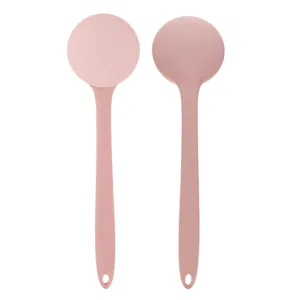
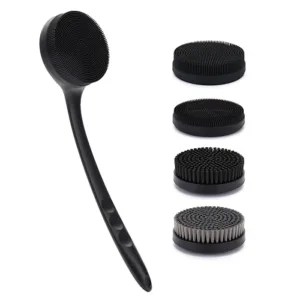
3. Silicone Body Scrubbers
Over the last few years, silicone body scrubbers have gained immense popularity as a loofah alternative—and dermatologists often approve. Made of food-grade silicone, these scrubbers are non-porous, meaning they don’t harbor bacteria like loofahs or sponges.
Benefits:
Non-porous and hygienic.
Gentle exfoliation without damaging the skin barrier.
Durable and long-lasting (often up to a year).
Easy to clean—just rinse and air dry.
Best For: Daily use, people seeking exfoliation without irritation, eco-conscious users.
Care Tip: Wash your scrubber weekly with soap and hot water for maximum hygiene.
4. Exfoliating Gloves
Exfoliating gloves offer a controlled way to scrub your skin, and unlike loofahs, they can be washed and reused multiple times. Made from materials like nylon or bamboo, they provide exfoliation while fitting snugly over your hands.
Benefits: Full control, reusable, machine washable.
Best For: Occasional exfoliation, dry skin patches.
Care Tip: Avoid using them every day; once or twice a week is enough.
5. Konjac Sponges
Konjac sponges, made from the root of the konjac plant, are soft, biodegradable sponges that gently cleanse and exfoliate the skin. Dermatologists often recommend them for sensitive or delicate skin.
Benefits: Natural, biodegradable, gentle exfoliation.
Best For: Sensitive skin, facial cleansing, children.
Care Tip: Replace every 3–4 weeks and allow to dry completely between uses.
6. Chemical Exfoliants
For people who want the benefits of exfoliation without scrubbing, dermatologists recommend chemical exfoliants like body washes with alpha-hydroxy acids (AHAs) or beta-hydroxy acids (BHAs). These gently dissolve dead skin cells without physical abrasion.
Benefits: Even exfoliation, reduces acne, brightens skin.
Best For: Acne-prone skin, keratosis pilaris, uneven texture.
Care Tip: Start with once or twice a week to avoid irritation.
Additional Dermatologist Tips for Healthy Cleansing
Skip Daily Exfoliation – Your skin doesn’t need harsh scrubbing every day. Over-exfoliation can damage the skin barrier.
Choose Gentle Cleansers – Opt for fragrance-free, sulfate-free body washes to avoid irritation.
Moisturize After Showering – Always apply a fragrance-free moisturizer after cleansing to lock in hydration.
Replace Tools Regularly – Even hygienic tools like silicone scrubbers or washcloths should be cleaned regularly and replaced when worn.
Why Silicone Body Scrubbers Are a Top Recommendation
Among all alternatives, silicone body scrubbers stand out as one of the most dermatologist-approved tools. They combine the non-porous safety of silicone with gentle exfoliation, making them superior to loofahs in hygiene and performance.
They don’t trap bacteria.
They are long-lasting, reducing waste.
They are versatile for both cleansing and mild exfoliation.
For people looking to replace their loofah, silicone scrubbers offer the perfect balance of safety, convenience, and effectiveness.
Final Thoughts
Many say using a loofah feels satisfying; however, dermatologists caution against them because of the hygiene risks they might pose and because of possible irritation to the skin. The best part is there are a lot of excellent alternatives, from just washcloths and konjac sponges to modern silicone body scrubbers that maintain sanitation while offering gentle exfoliation.
If you want your skin endorsed by dermatologists, remember this rule: less is more. Use gentle cleansers, never scrub harshly, and use tools that won’t harbor bacteria. By reinventing your shower routine, you’ll not only be able to shield your skin but also have much healthier and more enjoyable time on your own.