What Body Scrubber Doesn’t Hold Bacteria?
For most people, showering is more than merely a daily necessity: it is a ritual for relaxation, self-care, and energizing. Body scrubbers are a vital part of this process for exfoliating dead skin cells, improving circulation, and making the skin feel soft and smooth. But, there is an ominous question lurking in the background regarding many popular body scrubbers: bacterial buildup.
Loofahs and sponges-and the list seems to include some washcloths as well-are notorious for trapping moisture and creating an excellent breeding spot for bacteria, mold, and mildew. The mold or bacteria then break down the tool, thereby reducing its life, and can cause skin irritation, outbreaks, or worse, the onset of infection.
What, by the way, then is a better body scrubber for bacterial prevention? Let us look into the types, the science behind them, and why some materials, more than anything else, especially silicone body scrubbers, have attained popularity as the most hygienic choice.
Why Do Body Scrubbers Hold Bacteria?
To understand why some scrubbers harbor bacteria more than others, it’s important to look at their structure and materials:
Porosity: Materials like natural loofah or sea sponges have porous structures. While these make them effective for scrubbing, they also trap soap, oil, dead skin, and water — creating the perfect environment for bacterial growth.
Moisture Retention: Tools that stay wet for hours after use encourage bacteria and mold to thrive.
Cleaning Difficulty: Some scrubbers are hard to clean thoroughly. If they don’t dry quickly, bacteria accumulate and multiply.
The result? A product that may start off enhancing your shower routine but eventually works against your skin’s health.
Common Types of Body Scrubbers and Their Bacterial Risks
1. Natural Loofah
Pros: Affordable, widely available, and provides strong exfoliation.
Cons: Extremely porous, stays damp for hours, and almost impossible to keep bacteria-free.
Verdict: Loofahs are among the worst offenders when it comes to bacteria. Dermatologists often recommend replacing them every 3–4 weeks, if not sooner.
2. Sea Sponge
Pros: Soft, luxurious feel, and eco-friendly.
Cons: Natural sponges are very porous and highly absorbent. They trap debris and take a long time to dry.
Verdict: Like loofahs, sea sponges are prone to bacteria growth and require frequent replacement.
3. Washcloths
Pros: Easy to use, inexpensive, and machine washable.
Cons: If left damp, cotton washcloths quickly harbor bacteria. They also need washing after every use to stay hygienic.
Verdict: Washcloths are convenient but only safe if you’re diligent about cleaning and replacing them.
4. Exfoliating Gloves
Pros: Provide great control for scrubbing, easy to use with body wash.
Cons: Made of textured fabric that traps moisture, requiring constant washing and replacement.
Verdict: Better than loofahs, but still a risk if not properly cleaned and dried.
5. Pumice Stones
Pros: Fantastic for callused skin on feet and elbows, non-fabric.
Cons: Porous volcanic rock traps water and can hold bacteria. Not designed for full-body use.
Verdict: Effective for targeted use, but not a hygienic choice for everyday body scrubbing.
The Silicone Body Scrubber: A Hygienic Alternative
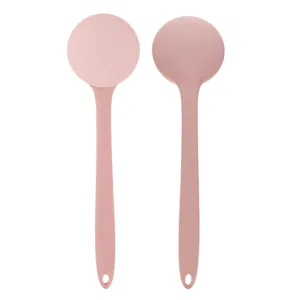
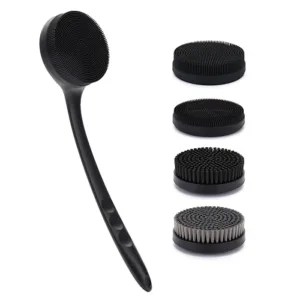
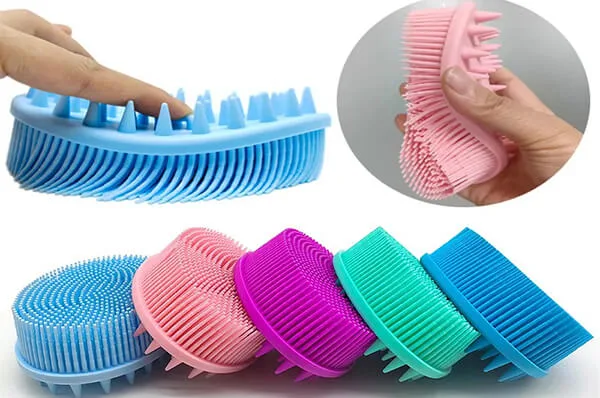
If you want a body scrubber that doesn’t hold bacteria, silicone scrubbers are the clear winner. Unlike porous materials, silicone is non-porous and resists bacterial buildup.
Why Silicone Works
Non-porous surface: Bacteria and mold can’t easily attach or thrive.
Quick drying: Water runs off the surface instead of soaking in.
Easy to clean: Can be rinsed with soap and water or even sterilized in boiling water.
Durable: Lasts months or even years without degrading.
Gentle yet effective: Flexible silicone bristles provide exfoliation without irritating skin.
Added Benefits
Eco-friendly: Reusable and reduces waste compared to disposable sponges.
Safe for sensitive skin: Hypoallergenic and non-irritating.
Versatile: Some designs include long handles for reaching the back, dual-texture surfaces, or built-in soap dispensers.
Dermatologists often recommend silicone scrubbers as the best option for people prone to acne, eczema, or infections because they minimize bacterial transfer.
Tips to Keep Any Body Scrubber Hygienic
Even with a silicone scrubber, proper care ensures maximum hygiene:
Rinse thoroughly after each use to remove soap and skin residue.
Shake off excess water and store it in a dry, well-ventilated place.
Disinfect regularly: For silicone, boiling for a few minutes or placing it in the dishwasher works well.
Replace when necessary: Even durable scrubbers should be replaced if they show signs of wear.
Avoid sharing scrubbers — personal hygiene tools should stay personal.
How to Choose the Right Scrubber for Your Needs
When selecting a body scrubber, consider:
Skin type: Sensitive skin benefits from silicone’s gentleness, while tougher skin may handle fabric gloves.
Lifestyle: If you don’t have time to wash your scrubber after every shower, silicone is the most practical.
Budget: While silicone scrubbers cost more upfront, they last far longer, saving money over time.
Eco-consciousness: Silicone scrubbers reduce waste compared to disposable or fast-wearing alternatives.
Final Thoughts
Most of the traditional body scrubbers — loofahs, sponges, washcloths, pumice stones — do hold bacteria sometimes very quickly. This may harm the skin, cause irritation, or even bring about infections.
If you want to consider something that is truly a body scrubber that does not harbor bacteria, then there is no better choice than the silicone body scrubber. Its non-porous and quick-drying design makes it hygienic, long-lasting, and friendly to all skin types. Thanks to this, these silicone scrubbers are changing the notion of body exfoliating when used with cleaning and storage correctly.
A silicone scrubber will leave you with smoother skin, and the satisfaction of knowing that your shower tool could not have been any cleaner than your skin feels.